 Michael Chase
 There’s a common belief that a high price tag guarantees a high-quality sweater. Many people assume if a sweater costs $200 or more, it must be well-made and durable. This isn’t always the case. I’ve spent years diving into the world of textiles, construction, and brand sourcing, and I can tell you that price is often a poor indicator of true value. You can find exceptional quality at surprisingly accessible price points, and conversely, overpriced garments that fall apart after a few washes. The trick lies in understanding the materials and construction, not just the brand name or the number on the label. This guide cuts through the marketing fluff to show you what genuinely makes a sweater worth your money and how to spot it.
The Material Truth: Understanding Sweater Fibers
A sweater’s quality starts with its fiber. This isn’t just about softness; it’s about durability, warmth, breathability, and how the garment will age. Skipping this crucial step means you’re buying blind, potentially investing in something that pills excessively, stretches out of shape, or simply doesn’t perform as expected.
Wool vs. Cashmere: Performance and Price Trade-offs
Wool, particularly merino wool, offers an impressive balance of qualities. Merino fibers are finer than traditional sheep’s wool, making them softer against the skin and less prone to itchiness. It’s naturally temperature-regulating, meaning it keeps you warm when it’s cold and helps you stay cool when it’s warmer. Merino also wicks moisture, resists odor, and holds its shape well. A good merino wool sweater can cost anywhere from $50 to $200, depending on the brand and knit density. It’s an excellent workhorse fiber for everyday wear.
Cashmere, derived from cashmere goats, is renowned for its exceptional softness and luxurious feel. It’s also incredibly lightweight yet significantly warmer than sheep’s wool. However, cashmere is more delicate and prone to pilling, especially in areas of high friction like underarms. Pure cashmere sweaters typically start around $100 for basic styles and can easily climb into the hundreds or thousands for premium grades. While beautiful, cashmere demands more careful handling and isn’t always the most practical choice for heavy-duty wear. The grade of cashmere matters immensely; longer fibers indicate better quality and less pilling.
Cotton, Linen, and Synthetics: When They Work (and When They Don’t)
Cotton sweaters are breathable and comfortable, making them ideal for transitional seasons or warmer climates. They are generally less expensive than wool or cashmere, often ranging from $30 to $100. However, cotton lacks the warmth-to-weight ratio of wool and can stretch out easily or take a long time to dry. Look for Pima or Supima cotton for superior softness and strength. These varieties have longer fibers, which translates to a smoother, more durable fabric.
Linen, a natural fiber from the flax plant, is incredibly breathable and moisture-wicking, perfect for summer evenings. It has a unique texture and drape. Linen sweaters are usually in the $60-$150 range. The trade-off is that linen wrinkles easily and isn’t known for its warmth or elasticity. It’s a niche choice for specific conditions.
Synthetics like acrylic, polyester, and nylon are common in budget sweaters. They are durable, easy to care for, and inexpensive, often $20-$70. They can mimic the look of natural fibers, but they don’t breathe well, often feel less luxurious, and can be prone to static electricity. They also don’t regulate temperature effectively. While tempting for their low cost, pure synthetic sweaters rarely offer the comfort or longevity of natural fibers. They have a place in activewear or outerwear where moisture-wicking and quick-drying properties are prioritized, but for a cozy, everyday sweater, they fall short.
Blends: Smart Savings or Cheap Shortcuts?
Blends combine different fibers to achieve specific characteristics or reduce costs. A blend of merino wool and cashmere can offer some of cashmere’s softness at a lower price point, while merino and nylon might improve durability and shape retention. The key is the proportion. A sweater with 5% cashmere and 95% acrylic is not a “cashmere blend”; it’s an acrylic sweater with a whisper of cashmere for marketing. Look for blends where natural fibers dominate (e.g., 70% wool, 30% nylon) for performance. If the blend is 50/50 or less of the desirable fiber, especially with synthetics filling the gap, it’s often a cost-saving measure that compromises quality. Good blends are thoughtfully designed; poor ones are simply cheap.
Construction Matters: Knits, Gauge, and Seams

Beyond the fiber, how a sweater is put together tells a significant story about its quality and potential lifespan. The way yarn is spun, knitted, and assembled directly impacts everything from drape to durability. Overlooking these details is a major error in sweater buying.
-
The Importance of Gauge and Ply
Gauge refers to the number of stitches and rows per inch. A higher gauge means finer, denser knitting, which usually translates to a smoother, more refined fabric. Low-gauge knits are chunkier and more open. Neither is inherently “better,” but consistent, even stitching within a chosen gauge indicates good craftsmanship. Inconsistent gauge can lead to uneven stretching and a shorter lifespan.
Ply describes how many individual strands of yarn are twisted together to make a single thread. A 2-ply yarn is two strands, 4-ply is four, and so on. Higher ply yarns are generally stronger, more durable, and less prone to pilling because the multiple twists create a more stable fiber. You’ll often see “2-ply cashmere” or “4-ply merino” mentioned. While 2-ply is common, a 3-ply or 4-ply natural fiber sweater will feel more substantial and last longer, albeit at a higher cost. It’s an investment in resilience.
-
What to Look for in Seams and Ribbing
Seams are critical. The best quality sweaters use “fully fashioned” construction, where each panel (front, back, sleeves) is knitted to shape and then linked together. This creates smooth, flat, strong seams that don’t unravel or pucker. You’ll see a subtle, almost invisible seam line. Cheaper sweaters are often “cut and sewn,” meaning fabric is cut from a large sheet and then sewn together with a sewing machine. These seams can be bulky, prone to fraying, and less durable, resembling those on a t-shirt. Turn a sweater inside out and examine the seams. If they look like standard sewing machine stitches, it’s likely cut and sewn.
Ribbing, found at the cuffs, hem, and neckline, should be firm and elastic, not flimsy. It needs to snap back into shape after being stretched. This is where a sweater often shows its age first. Look for tightly knitted ribbing that feels substantial. Weak ribbing will quickly stretch out, sag, and make the sweater look worn, even if the body fabric is fine. A good rib is a sign of attention to detail and a commitment to longevity.
-
Evaluating Overall Knit Density and Feel
Gently stretch a section of the sweater, then release it. Does it snap back into shape? If it sags or takes a moment to recover, the knit might be too loose or the fiber lacking elasticity. Hold the sweater up to the light. Can you see through it easily? A very sheer knit might indicate a low-density construction, which often means less warmth and durability, especially in natural fibers like wool or cashmere. Quality sweaters have a satisfying weight and a dense, consistent hand-feel without being overly stiff. The fabric should drape well, not feel flimsy or overly rigid.
The Brands That Consistently Deliver Value
You don’t need to spend a fortune for a great sweater, but you also shouldn’t expect luxury quality at fast-fashion prices. The best brands strike a balance, offering thoughtfully designed, well-constructed pieces using good materials. My research points to a few consistent performers across different price tiers.
Affordable Excellence: Uniqlo and Everlane
Uniqlo is a perennial favorite for reliable, well-priced basics. Their Extra Fine Merino Wool sweaters, typically priced around $40-$60, are a standout. They offer a smooth, lightweight feel, good warmth, and come in a vast array of colors. While not the absolute pinnacle of luxury, they are an excellent daily driver. They use a tightly spun 19.5 micron merino, which is fine enough to be comfortable against sensitive skin. For basic cashmere, their options, usually $90-$120, are a decent entry point, though you’ll find better softness and durability from higher-end cashmere. They excel in consistent sizing and simple, classic designs.
Everlane has built its brand on “radical transparency” and offers solid quality for the price. Their Cashmere Crew ($140-$170) is often a go-to for many. They source Grade-A cashmere from Mongolia, which means longer, finer fibers, contributing to less pilling and a softer feel compared to budget competitors. Their merino wool sweaters ($70-$100) are also well-regarded for their modern fit and durable knit. Everlane focuses on timeless styles and natural fibers, making them a safe bet for foundational wardrobe pieces.
Mid-Tier Longevity: J.Crew and Cuyana
J.Crew has been a staple for classic American preppy style for decades, and their sweaters often hit a sweet spot for quality and design. Their Cashmere Crewneck (often $180-$250, but frequently on sale) uses fine Mongolian cashmere and comes in a wider variety of colors and fits than many competitors. Their lambswool and merino blends, typically $90-$150, are also very strong. J.Crew’s strength lies in their consistent quality control and ability to produce classic, stylish pieces that last for years with proper care. Look for their “Heritage” collections for particularly robust knits.
Cuyana focuses on “fewer, better things” and delivers elevated essentials. Their Alpaca Blend Sweaters ($198-$248) are notable for their softness, lightweight warmth, and unique texture. Alpaca is a fantastic fiber, often overlooked, known for being hypoallergenic and durable. Cuyana’s pieces often feature thoughtful details and a sophisticated, minimalist aesthetic. Their Italian Cashmere collection ($298-$348) is a step up, offering excellent drape and a luxurious feel, crafted with attention to sustainable sourcing.
Investment Pieces: Naadam and Brunello Cucinelli
Naadam burst onto the scene with a promise of ethical, affordable luxury cashmere. Their Essential Cashmere Sweater ($98-$150) is often touted as a benchmark for quality at a reasonable price, directly challenging the idea that premium cashmere must be prohibitively expensive. They source raw cashmere directly from herders in Mongolia, cutting out middlemen. Their higher-end collections, like the Recycled Cashmere or Signature Cashmere ($200-$400), offer even more luxurious hand-feels and unique designs, justifying their price with ethical sourcing and exceptional softness. It’s a great brand for those prioritizing both quality and responsible production.
Brunello Cucinelli represents the absolute pinnacle of luxury knitwear, with sweaters often ranging from $1,000 to $3,000+. This isn’t for everyone, but it illustrates what’s possible with unlimited resources and expertise. Their cashmere and merino sweaters are made in Italy with the finest, longest-staple fibers, often blended with silk or virgin wool for unparalleled softness and drape. The construction is meticulous, featuring fully-fashioned seams, intricate knit patterns, and exceptional attention to detail. Buying Cucinelli is investing in wearable art; it’s about the heritage, the craftsmanship, and the enduring quality that truly lasts a lifetime. It’s a testament to what’s possible when no expense is spared.
Avoiding Common Sweater Buying Mistakes

Even with a good understanding of fibers and construction, it’s easy to fall into traps. Knowledge about common pitfalls can save you money and ensure your sweater investment pays off in warmth and longevity.
Is a high thread count always better for sweaters?
No. The concept of “thread count” primarily applies to woven fabrics like bedsheets, measuring threads per square inch. For sweaters, which are knitted, “gauge” and “ply” are more relevant indicators of density and quality. A sweater’s quality isn’t about counting individual threads but about the fiber’s fineness (measured in microns for wool/cashmere), the consistency of the knit, and the ply of the yarn. Don’t be swayed by marketing that misapplies thread count to knitwear; it’s a red flag for brands trying to confuse consumers.
Should I always buy cashmere?
Not necessarily. While cashmere is undeniably luxurious, it’s not always the best choice for every situation. For everyday wear, especially if you’re active or concerned about durability, a good quality merino wool often outperforms cashmere. Merino is more resilient, less prone to pilling, and easier to care for. It’s also significantly more affordable. Cashmere is best reserved for situations where its exceptional softness and lightweight warmth are truly appreciated, and where you’re prepared to provide the necessary gentle care. A cheap, low-grade cashmere sweater will pill and fall apart faster than a well-made merino. Prioritize quality over fiber type alone.
How do I spot a truly poor-quality knit?
Look for several tell-tale signs:
- Uneven Stitching: Inspect the knit closely. Are the stitches consistent in size and tension? Irregular stitches indicate poor machine calibration or rushed production.
- Excessive Sheerness: Hold the sweater up to the light. If it’s overly transparent, especially in areas that should be dense, it suggests a loose knit that won’t hold its shape or provide much warmth.
- Scratchiness (for wool/cashmere): While some cheaper wools can be a bit coarse, high-quality merino or cashmere should feel soft, not prickly. If it feels rough even before washing, it’s likely made from lower-grade, coarser fibers.
- Loose Fibers/Pilling on Arrival: If you see significant loose fibers or visible pilling on a new sweater, it’s a sign of short, weak fibers and poor spinning. It will only worsen with wear.
- Flimsy Ribbing: As mentioned before, weak, easily stretched-out ribbing at the cuffs, hem, and neckline is a common indicator of overall poor construction and a short lifespan.
These details often differentiate a sweater that lasts years from one that only makes it through one season.
My Top Picks for Specific Needs
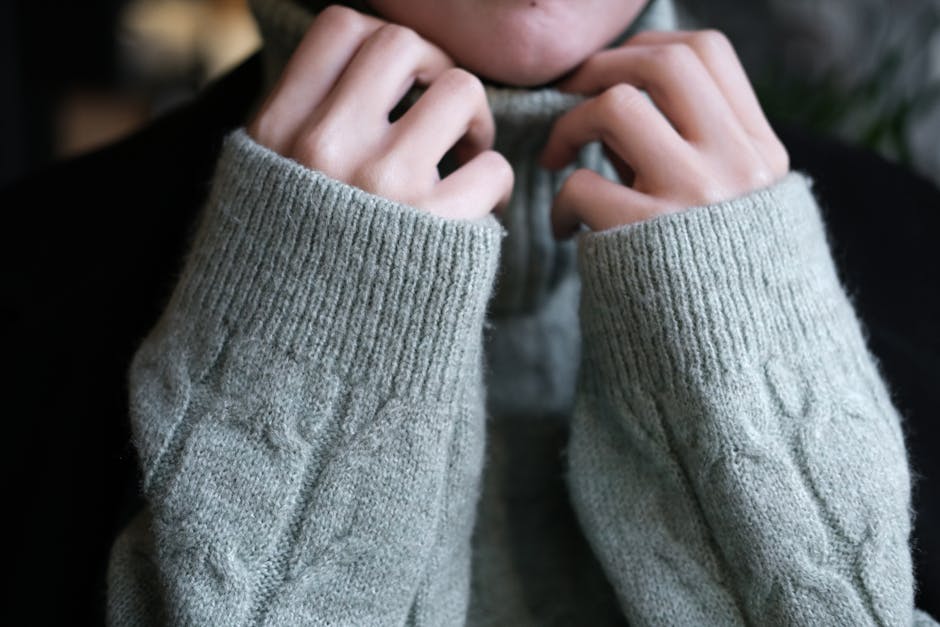
Choosing the right sweater depends heavily on your priorities: warmth, softness, durability, or budget. Based on extensive research and considering the trade-offs, here are my top recommendations for different needs.
Recommended Sweater Brands for Diverse Needs
This table summarizes key strengths and estimated price ranges for some of the best brands discussed.
| Brand | Best For | Key Material Strengths | Typical Price Range | Notes |
|---|---|---|---|---|
| Uniqlo | Everyday Basics, Layering | Extra Fine Merino, Affordable Cashmere | $40 – $120 | Exceptional value, consistent sizing, wide color range. |
| Everlane | Ethical Basics, Good Cashmere Entry | Grade-A Cashmere, Merino Wool | $70 – $170 | Transparent sourcing, modern fits, durable natural fibers. |
| J.Crew | Classic Styles, Versatility | Mongolian Cashmere, Lambswool, Merino Blends | $90 – $250 | Reliable quality, frequent sales, broad selection of styles. |
| Cuyana | Elevated Essentials, Alpaca Blends | Alpaca, Italian Cashmere | $198 – $348 | Luxurious feel, sophisticated designs, sustainable focus. |
| Naadam | Ethical Luxury Cashmere | Direct-Sourced Cashmere (Essential & Signature) | $98 – $400 | Disruptive pricing for high-grade cashmere, strong ethical stance. |
| Brunello Cucinelli | Ultimate Luxury, Heirloom Quality | Finest Cashmere, Silk/Wool Blends | $1,000 – $3,000+ | Unparalleled craftsmanship, exquisite materials, lifetime investment. |
Specific Recommendations by Use Case
- For the Daily Commuter: Uniqlo’s Extra Fine Merino. It’s lightweight, warm, durable enough for frequent wear, and easy to layer under a jacket. The price point means you won’t stress about a coffee spill.
- For a Touch of Luxury (Budget-Friendly): Everlane’s Cashmere Crew or Naadam’s Essential Cashmere. Both offer genuine cashmere softness without breaking the bank, making luxury accessible.
- For Durable, Classic Style: J.Crew’s lambswool or quality merino blends. They hold up well to wear, maintain their shape, and offer timeless designs that stay relevant season after season.
- For a Special Occasion or Gift: Cuyana’s Alpaca Blend or Italian Cashmere. These pieces feel luxurious, look sophisticated, and carry a story of thoughtful design and material choice.
- The Ultimate Investment: Brunello Cucinelli. If budget is no object and you seek a sweater that transcends fashion trends and becomes an heirloom, Cucinelli sets the standard for unparalleled quality and craftsmanship.