 Michael Chase
 It’s a familiar story for anyone who spends serious time in the gym: You’re halfway through a heavy set of squats, the barbell loaded, sweat dripping, and suddenly, that terrifying feeling hits. Is the fabric stretching too thin? Is my waistband about to betray me? Or worse, am I flashing the entire gym? I’ve seen countless pairs of leggings fail under pressure, from cheap Amazon finds to mid-range brands that promise “squat-proof” magic. I’ve wasted hundreds of dollars learning this, and trust me, the mental distraction of worrying about your leggings is the last thing you need when you’re pushing for a new personal record.
For years, I navigated a minefield of flimsy fabrics, rolling waistbands, and sheer disappointment. I’ve tried virtually every popular brand, read countless reviews, and put leggings through the absolute wringer – heavy deadlifts, explosive box jumps, long cardio sessions, you name it. Through all that trial and error, I’ve developed some very strong opinions. My goal here is to save you the money, the frustration, and the awkward moments in the gym. Don’t buy the latest influencer-hyped pair without understanding what actually matters.
Forget the Hype: Why Most Leggings Fail in the Squat Rack
Let’s be blunt: most leggings aren’t built for serious lifting. They might look great for a coffee run or a light yoga session, but put them under the stress of a heavy barbell and they fall apart, literally and figuratively. I’m talking about fabric transparency, waistbands that roll down at the first sign of movement, and materials that pill or tear after just a few washes. It’s not just about aesthetics; it’s about confidence and performance. If you’re constantly tugging at your clothes, your focus isn’t on your lift.
The Sheer Truth: Transparency Traps
This is the cardinal sin of gym leggings. You think you’re safe, then you catch a glimpse in the mirror under the harsh gym lights, and boom – your underwear is on full display. This usually happens with thin, stretchy polyester blends that lack sufficient density. When the fabric stretches over your glutes and quads during a deep squat or lunge, the fibers thin out, becoming transparent. I’ve learned that “squat-proof” doesn’t just mean opaque when standing still; it means opaque at the deepest point of your squat, under direct lighting. Many brands cut corners with material, prioritizing softness or a light feel over actual coverage. Don’t get caught out by fabrics that promise comfort but deliver exposure.
Waistband Woes: Why They Roll
A rolling waistband is infuriating. You’re bracing for a lift, taking a deep breath, and suddenly your leggings are halfway down your hips. This isn’t just annoying; it can actually compromise your core stability. Cheap leggings often use thin elastic bands or simply rely on the fabric’s stretch without proper reinforcement. A good lifting legging needs a wide, high-rise waistband that’s either completely seamless with strong compression, or has a well-integrated, sturdy elastic that’s sewn in to prevent flipping. I’ve found V-shaped waistbands on the back can sometimes help, but ultimately, it comes down to the quality of the elastic and the fabric’s inherent structure. It needs to hug your waist and stay there, no matter how much you bend, twist, or brace.
Compression Confusion: Too Tight or Too Loose?
The right amount of compression is crucial for lifting. Too loose, and you feel unsupported, like your leggings are just decorative. Too tight, and they restrict movement, making it hard to hit full depth or recover between reps. True compression offers a supportive, ‘held-in’ feeling without digging into your skin or creating uncomfortable pressure points. It should feel like a second skin, enhancing blood flow and muscle awareness. Many brands mistake simply being ‘tight’ for offering ‘compression.’ High-quality lifting leggings use specific fabric blends and weave patterns to provide graduated compression that supports without hindering. I always look for a blend that snaps back firmly, maintaining its shape throughout my workout and after countless washes.
My Go-To Leggings for Heavy Lifts: Lululemon and Gymshark Breakdown
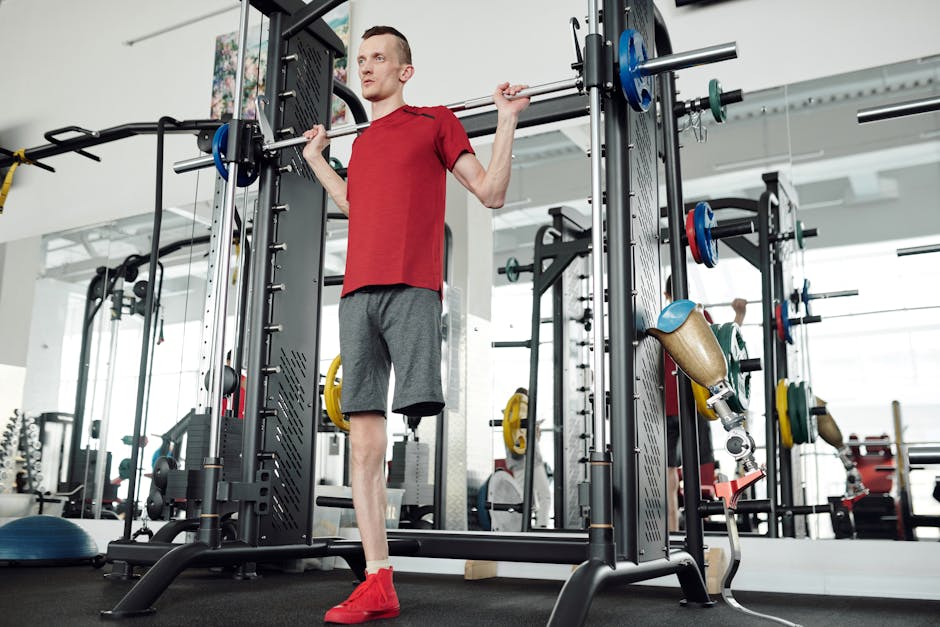
After years of trial and error, two brands consistently deliver for my heaviest lifting sessions: Lululemon and Gymshark. They’ve both earned their spots in my gym bag for different reasons, but both pass the ultimate test: they perform.
Lululemon Wunder Train: The Everlux Advantage
I’ve probably owned a dozen pairs of Lululemon leggings over the years, and for lifting, you absolutely want the Wunder Train. Seriously, skip the Align. I know, I know, the Align leggings are incredibly soft and feel like butter, but they’re made from Nulu fabric, which pills like crazy with barbells, seat friction, and washing. More importantly, they offer zero compression for heavy lifts. They’re fantastic for yoga, lounging, or travel, but they are not for deadlifts or heavy squats. Don’t waste your money if your primary goal is serious gym work.
The Wunder Train, on the other hand, is a beast. It uses Lululemon’s Everlux fabric, which is a . It’s slick, incredibly sweat-wicking, and remarkably durable. I’ve put my Wunder Trains through hundreds of washes and countless brutal workouts, and they still look almost new. The fabric feels cool to the touch, which is a blessing in a hot gym. The compression is firm but not restrictive, providing that supportive, locked-in feel I need for heavy compound movements. I prefer the 25″ length; it hits perfectly at the ankle for me (I’m 5’6″), but they also come in 23″ and 28″ for different heights. The High-Rise option is non-negotiable for waist security. They run around $98-$118, depending on color and specific features like pockets. Yes, they’re expensive, but I firmly believe they’re a worthwhile investment that outlasts multiple cheaper pairs.
Gymshark Adapt & Vital: Compression That Stays Put
Gymshark has been a staple in my gym wardrobe since 2017, especially for their seamless designs. Their Adapt Fleck Seamless and Vital Seamless lines are my top recommendations for lifting. They offer excellent value for their price point and truly hold up.
The Adapt Fleck Seamless leggings (typically around $60-$70) offer fantastic, robust compression and a really secure, thick waistband. The fabric is a blend of nylon, polyester, and elastane, giving it a thick, textured feel that feels incredibly supportive without being restrictive. I find they have excellent opacity, even during deep squats. The contouring details are flattering without being overly exaggerated. My experience is they run true to size, but if you want maximum compression, you could consider sizing down. They’re built to last and handle friction well, which is essential for barbell work.
The Vital Seamless leggings (around $50-$60) are a lighter option compared to the Adapt, great for warmer gyms or lighter training days, but they still pass the squat test with flying colors. The fabric is a softer nylon/elastane blend, offering good stretch and flexibility. The waistband is still high-rise and supportive, but the overall compression is slightly less intense than the Adapt line. The seamless design minimizes chafing, which is a huge plus. While they might not feel as ‘indestructible’ as the Adapt, they’re incredibly comfortable for longer sessions and still offer reliable performance. The fit can be a bit tricky with Gymshark; I usually size down for more compression, especially in the Vital line, to ensure that locked-in feeling.
Beyond Brand Names: Essential Features for Lifting Leggings
Even with my top brand recommendations, it’s crucial to understand what makes any legging suitable for heavy lifting. Knowing these features will empower you to make informed decisions, regardless of brand loyalty or current trends. Don’t just follow the crowd; understand the engineering behind good activewear.
- Fabric Blend: This is arguably the most important factor. For lifting, you want a high-quality blend of nylon and spandex (or elastane). Nylon is durable, resistant to abrasion, and provides excellent moisture-wicking properties, pulling sweat away from your skin. Spandex gives the fabric its stretch and crucial recovery, ensuring your leggings don’t sag or lose their shape throughout your workout. Polyester is acceptable but can sometimes feel less premium or pill more easily. Absolutely avoid cotton. Cotton absorbs sweat, stays wet, sags horribly, and takes forever to dry, leading to discomfort and potential chafing. Look for a dense, thick fabric that feels substantial, not flimsy, when stretched.
- Waistband Construction: A high-waisted design is non-negotiable. It provides coverage, support for your core, and helps prevent gapping. Look for a wide, reinforced waistband that’s at least 4-5 inches tall. The best waistbands feature a strong, enclosed elastic band sewn into the top edge to prevent rolling and slipping. Some designs use a V-cut or contoured seam in the back, which can be flattering and help the waistband sit securely without cutting into your hips. A truly great waistband will feel like a gentle hug, staying put through deadlifts, squats, and burpees without needing constant adjustment.
- Seam Placement: Thoughtfully placed seams prevent chafing and enhance durability. Flatlock seams, where the edges of the fabric are butted together and stitched flat, are ideal as they reduce bulk and friction against your skin. Pay attention to the inner thigh and crotch area. A well-designed legging will have a gusset – an extra piece of fabric, often diamond or triangular shaped, sewn into the crotch. This provides greater range of motion, reduces stress on seams, and prevents unsightly camel toe. Avoid leggings with simple cross-stitched crotch seams; they are prone to tearing and discomfort.
- Squat-Proof Guarantee (Your Test, Not Theirs): Don’t trust brand claims alone. You need to perform your own rigorous squat test. Before committing, put the leggings on, stand in front of a mirror (preferably under bright, direct light), and perform several deep squats. Bend over at the waist. Twist. Check your reflection from all angles. Can you see your underwear? Are the seams stressed? Does the fabric become noticeably lighter? If there’s any doubt, put them back. A true squat-proof legging maintains complete opacity and structural integrity through full range of motion.
- Durability: Beyond initial opacity and fit, consider how the leggings will hold up over time. This means resistance to pilling (little fabric balls that form from friction), abrasion (rubbing against gym equipment or barbells), and stretch retention. Thicker fabrics generally equate to better durability. Examine the stitching; double or reinforced stitching in high-stress areas like the crotch and waistband is a good sign. High-quality materials, while more expensive upfront, will save you money in the long run by not needing constant replacement. I look for leggings that feel robust enough to withstand being dragged against a barbell or scraped on a rough bench without immediate damage.
Alphalete and NVGTN: A Quick Comparison for Specific Needs

While Lululemon and Gymshark are my top picks, I’ve also spent a fair amount of time in leggings from Alphalete and NVGTN. They have their place, but it’s important to understand their strengths and weaknesses compared to the powerhouses.
I bought into the Alphalete hype a few years ago. Their Amplify leggings are famous for the scrunch butt and contouring. They *are* incredibly flattering, and for lighter lifting days or hypertrophy work where you’re not grinding out heavy compound lifts, they’re decent. The fabric is typically a nylon/spandex blend, and they usually retail around $60-$70. My issue? The scrunch can feel a bit… exposed for very heavy compound lifts, and while the fabric is generally opaque, it’s not as robust or compressive as Lululemon Everlux or Gymshark Adapt. They’re good, but not my *absolute* top pick for PR attempts or maximum confidence.
NVGTN (often around $48-$58) rose to popularity quickly, mainly for their seamless designs and vibrant colors. They offer decent compression and are generally squat-proof. The fabric tends to be thinner than Alphalete or Gymshark, giving them a very soft, lightweight feel. While comfortable, I’ve found them to be less durable over time, especially if you’re regularly rubbing against barbells or rough gym equipment. The thinner fabric can show wear and tear more quickly. They’re a solid budget-friendly option and excellent for those who prioritize comfort and aesthetics for lighter workouts, but don’t expect them to last as long as a premium pair if you’re consistently putting them through high-intensity, heavy lifting sessions.
| Brand/Model | Price Range | Key Feature | Fabric Feel/Durability | Best Use Case | My Verdict |
|---|---|---|---|---|---|
| Alphalete Amplify | $60-$70 | Scrunch butt, glute contouring | Soft, stretchy, good for aesthetics; moderate durability. | Hypertrophy, lighter lifting, body-focused workouts. | Great for flattering looks, but less robust for PRs. |
| NVGTN Seamless | $48-$58 | Seamless design, wide color range | Very soft, lightweight, comfortable; thinner fabric, less durable. | Lighter workouts, fashion-forward gym wear, budget-conscious. | Good value for comfort and style, but might not last as long. |
The Only Legging You Really Need for Serious Lifting: My Unwavering Verdict
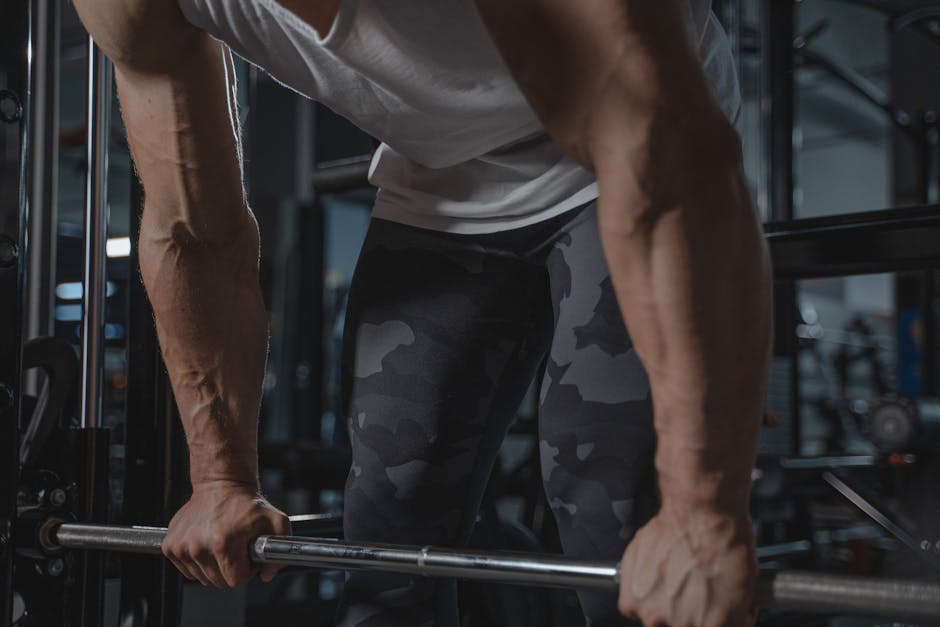
If I could only recommend one legging for anyone truly serious about lifting, it would be the Lululemon Wunder Train High-Rise 25″. Yes, they’re expensive at $98-$118, but they offer unparalleled durability, superior sweat-wicking properties, and consistent, reliable compression that holds up through every squat, deadlift, and lunge. Don’t compromise on quality when it comes to your most important gym gear. Investing in a couple of pairs of Wunder Trains means you’ll spend less time worrying about your clothes and more time focusing on your strength. They are simply the best for enduring heavy training.