 Michael Chase
 Why Skip Shopping and Food for Self-Care?
Ever notice how buying something new or indulging in comfort food can give you a quick boost—but it fades fast? That’s because these kinds of self-care often offer temporary highs instead of lasting wellness. Shopping and eating can distract or soothe us for a moment, but they don’t always help with deeper emotional or mental health needs.
Relying on material treats or food too much can lead to hidden downsides like financial stress or unhealthy habits. Overspending to feel better can quickly spiral into guilt or anxiety. Emotional eating might provide comfort but can also become a cycle that’s hard to break.
That’s why shifting your focus to more meaningful, non-material self-care feels so empowering. These practices nourish your mind and body from within, build resilience, and lift your mood in ways that last longer than any purchase or snack. Let’s explore ten effective, budgeting-friendly ways to recharge without reaching for your wallet or fridge.
Mindful Breathing Exercises (5 Minutes Daily)
Breathing exercises are simple, effective daily habits you can do anywhere. Try these two popular techniques:
| Technique | Steps | Benefits |
|---|---|---|
| 4-7-8 Breathing | 1. Breathe in through your nose for 4 sec 2. Hold breath for 7 sec 3. Exhale slowly through mouth for 8 sec |
Reduces stress by lowering cortisol, calms the mind |
| Box Breathing | 1. Inhale for 4 sec 2. Hold for 4 sec 3. Exhale for 4 sec 4. Hold for 4 sec |
Improves focus, balances nervous system |
How to add breathing into your day
- Do it first thing in the morning or before bed
- Pair with work breaks to reset your mind
- Use before challenging tasks or meetings for calm and clarity
Just five minutes can help lower stress hormones and sharpen your focus, making this a standout stress relief technique in any daily self-care routine.
Journaling for Emotional Release
Writing regularly helps clear your mind and ease stress. Try these simple prompts to get started:
- Gratitude lists: Write 3 things you’re thankful for each day
- Stream-of-consciousness: Jot down your thoughts without editing
- Emotional check-ins: Note how you feel and why
Benefits of Journaling
| Benefit | Explanation |
|---|---|
| Reduces anxiety | Expressing feelings lowers stress hormones |
| Enhances self-awareness | Helps you understand your emotions better |
Tools to Use
- Free apps like Day One or Journey
- A simple notebook or journal
- Track your entries weekly to spot patterns and progress
Journaling is a free, easy self-care habit that boosts emotional wellness and supports your daily self-care routine.
Physical Movement in Nature

Getting active outdoors is one of the best ways to boost your daily self-care routine. Moving your body through brisk walks, yoga, or stretching helps release endorphins—those feel-good hormones—and gives you a natural dose of vitamin D from sunlight.
Easy Activities to Try
| Activity | What You Need | Benefits | Where to Do It |
|---|---|---|---|
| Brisk Walks | Comfortable shoes | Raises mood, heart health | Local parks, streets |
| Yoga | Mat or towel | Increases flexibility, calms mind | Nearby green spaces, indoors |
| Stretching | None | Reduces muscle tension | Anywhere—home, office |
Local Park Ideas
- Find a quiet trail for walking or jogging
- Join free or low-cost yoga classes in community parks
- Use benches or grassy spots for stretching sessions
Indoor Alternatives
- Follow simple yoga or stretching videos at home
- Walk in place during breaks if the weather’s bad
- Use stairs or hallways for short movement bursts
Remember, combining nature-based relaxation with physical movement gives you a double boost—mind and body both benefit without costing a penny.
Digital Detox Sessions
Taking regular breaks from screens is a powerful self-care habit that goes beyond shopping and food. Setting simple rules helps make digital detox effective and manageable:
- 1-hour screen-free zone daily (e.g., during meals or before bed)
- Limit app usage with built-in timers or focus modes
- Turn off non-essential notifications to reduce distractions
Benefits
- Improved sleep quality by lowering blue light exposure
- Reduced stress and anxiety from social media comparison
- Clearer focus and more time for emotional wellness habits
Digital Detox Checklist
| Task | Action Tip |
|---|---|
| Notification audit | Turn off alerts for non-urgent apps |
| Set app limits | Use phone settings to cap daily use |
| Establish screen-free time | Pick regular 1-hour windows daily |
| Nighttime routine | Avoid screens 30 mins before sleep |
Incorporating digital detox sessions into your daily self-care routine is a small change with lasting effects on mental health and burnout prevention.
Acts of Kindness Toward Others
Small acts of kindness go a long way in boosting your mood and connecting you with others. Whether it’s a quick compliment, helping a neighbour, or volunteering, these gestures increase oxytocin—the “feel-good” hormone—and build a sense of community.
Easy Ways to Start
| Act of Kindness | What to Do | Benefit |
|---|---|---|
| Compliment someone | Say something nice to a coworker or stranger | Uplifts mood both ways |
| Text a friend | Send a quick “thinking of you” message | Strengthens relationships |
| Smile at someone | Share a genuine smile in public or at work | Spreads positivity |
| Help a neighbour | Carry groceries, mow the lawn, or check in | Boosts community spirit |
| Volunteer locally | Spend an hour at a local charity or community event | Creates a sense of purpose |
Acts of kindness are simple, free self-care ideas that feed emotional wellness and stress relief. Start small, and you’ll feel the difference in your daily self-care routine.
Progressive Muscle Relaxation
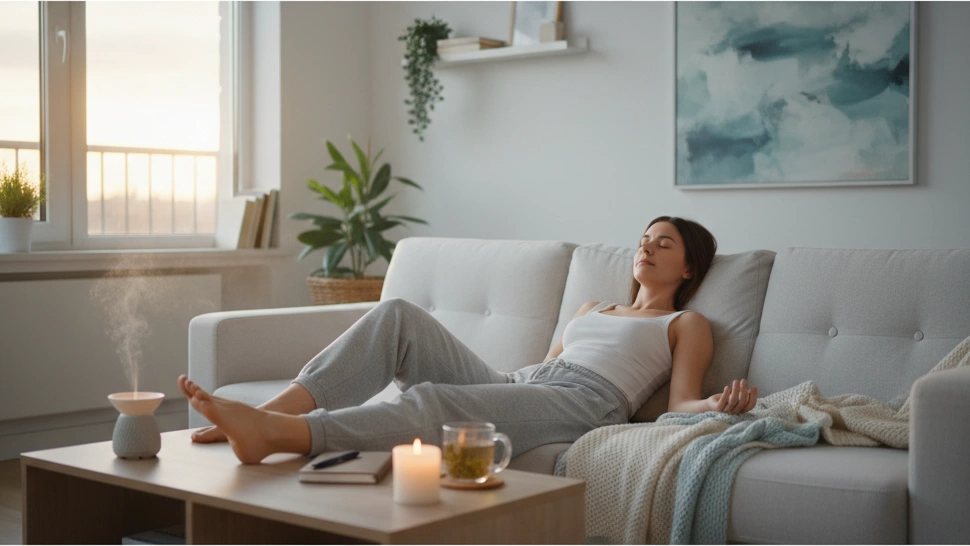
Progressive Muscle Relaxation (PMR) is a simple way to ease tension by tightening and then relaxing muscles step-by-step—from your toes up to your head. It helps calm your body and mind, making it easier to fall asleep and reducing muscle stiffness.
How to Do PMR: Tense and Release Sequence
| Step | Action | Hold | Release & Breathe Out |
|---|---|---|---|
| 1. Toes | Curl your toes tightly | 5-7 seconds | Let go, feel relaxation |
| 2. Feet | Tighten feet muscles | 5-7 seconds | Release slowly |
| 3. Calves | Flex calves | 5-7 seconds | Breathe out deeply |
| 4. Thighs | Squeeze thigh muscles | 5-7 seconds | Relax completely |
| 5. Abdomen | Tighten stomach | 5-7 seconds | Exhale and soften |
| 6. Hands | Make fists | 5-7 seconds | Let hands go loose |
| 7. Arms | Flex biceps | 5-7 seconds | Release and relax |
| 8. Shoulders | Shrug and hold | 5-7 seconds | Drop shoulders gently |
| 9. Neck | Press head back slightly | 5-7 seconds | Relax neck fully |
| 10. Face | Clench jaw and scrunch face | 5-7 seconds | Smooth out and relax |
Benefits of PMR
- Eases muscle tension built up from daily stress
- Improves sleep quality by calming your nervous system
- Reduces headaches and body aches caused by tight muscles
- Creates a sense of deep relaxation that lasts
When to Practice
- Best done as an evening wind-down ritual before bedtime
- Helps you let go of the day’s stress and get ready for restful sleep
Try adding PMR to your daily self-care routine for a quick mental health recharge without needing anything extra. It’s a free, easy stress relief technique anyone can do anywhere.
Creative Expression Outlets
Creative expression is a simple way to boost your mood and relax without spending a dime. Whether it’s drawing, playing music, or dancing solo, these activities put you in a flow state—a mental zone where stress fades and happiness grows.
Easy Creative Ideas
| Activity | What You Need | Benefits |
|---|---|---|
| Drawing | Paper, pens, or pencils | Calms the mind, sparks joy |
| Music | Any instrument or phone | Releases emotion, uplifts |
| Dancing Alone | Just your space | Increases energy, relieves stress |
No need to be an expert—free online prompts, YouTube tutorials, or household items can kickstart your creativity right now. It’s about the process, not perfection. Give yourself permission to play and express freely.
Boundary-Setting Practices
Setting clear boundaries is a must for daily self-care. It helps prevent burnout and boosts your self-respect by showing you value your time and energy.
Simple Scripts to Say No
- “I can’t take this on right now.”
- “Let me get back to you.”
- “I need to focus on my priorities today.”
Prioritize Tasks
- List urgent vs. non-urgent work
- Say no to extra tasks that don’t fit your goals
| Boundary Tip | Example Use | Benefit |
|---|---|---|
| Email Auto-replies | “Out of office till Monday” | Reduces pressure to respond immediately |
| Family talks | “I need quiet time after 8pm” | Protects downtime |
| Saying no | “Can’t help this week” | Keeps workload manageable |
Using these practices every day builds a stronger, balanced you without the guilt. It’s about respecting your limits so you can recharge and stay motivated.
Sensory Grounding Techniques
When feeling overwhelmed or stressed, sensory grounding helps bring you back to the present moment quickly. One simple, effective tool is the 5-4-3-2-1 method. It uses your five senses to calm the mind:
| Step | Action | Example |
|---|---|---|
| 5 | Name 5 things you can see | A plant, your coffee cup |
| 4 | Name 4 things you can touch | Your chair, your phone |
| 3 | Name 3 things you can hear | Birds outside, typing sound |
| 2 | Name 2 things you can smell | Fresh air, soap |
| 1 | Name 1 thing you can taste | Mint gum or water |
Benefits of Sensory Grounding
- Manages overwhelm during busy or stressful moments
- Helps focus by anchoring you in the present
- Portable enough for use during commutes, meetings, or anytime you need a quick mental reset
Try keeping this technique handy—it’s a free, simple way to support your daily self-care routine and emotional wellness.
Reflection and Goal-Setting Rituals
Taking a few minutes each week to reflect on what went well and set clear goals is a powerful part of a daily self-care routine. This habit helps you stay focused, learn from experiences, and keep growing without feeling overwhelmed.
Why Reflect and Set Goals?
- Builds a growth mindset
- Boosts motivation and confidence
- Helps adjust self-care habits as needed
Simple Steps to Get Started
| Step | What to Do |
|---|---|
| 1. Review Wins | List 3 things you did well this week |
| 2. Identify Challenges | Note what didn’t go as planned |
| 3. Set Small Goals | Pick 1-3 clear goals for next week |
| 4. Use a Checklist | Track progress with easy reusable templates |
Tools to Use
- Printable weekly checklists
- Apps like Google Keep or simple notes
- A dedicated notebook for self-care tracking
Keeping this ritual quick and straightforward means you’re more likely to stick with it. Over time, it promotes steady improvement and a clearer sense of purpose in your wellness journey.
Implementing the Checklist: Building a Routine
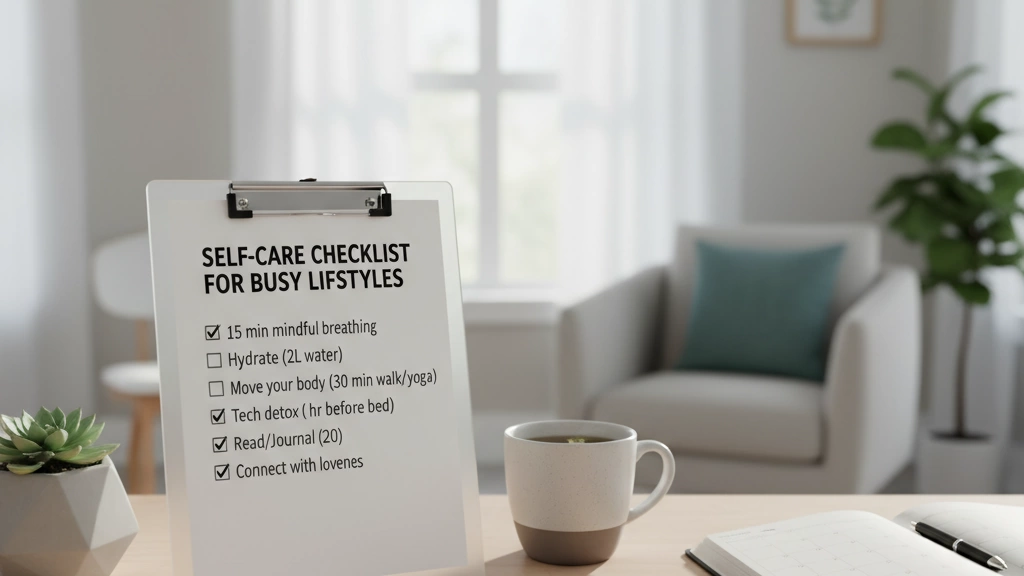
To make this self-care checklist work for you, start by customizing it based on your lifestyle. If you’re a parent juggling kids, focus on quick activities like mindful breathing or sensory grounding that fit into busy moments. Remote workers might benefit from setting digital detox sessions or stretching breaks during work hours.
Tracking your progress helps keep motivation up. Use a printable checklist or handy apps to mark off daily or weekly tasks. Seeing your wins builds momentum and keeps you accountable without extra stress.
If time or motivation feels tight, lean on quick wins. Even 5 minutes of journaling or a short walk can boost your mood and encourage you to keep going. Small steps add up and make your self-care routine manageable and sustainable in the long run.
Long-Term Benefits and Science Backing
Investing in self-care beyond shopping and food pays off in big ways. Over time, you’ll notice better mental health, sharper focus, more energy, and stronger relationships. These habits help keep burnout at bay, improving your overall quality of life.
Proven Benefits at a Glance
| Benefit | What It Means | Backing Source |
|---|---|---|
| Reduced stress | Lower cortisol levels, calmer mind | WHO, NIH studies |
| Improved productivity | Better focus and decision-making | National wellness reports |
| Healthier relationships | More empathy and social connection | Mental health research |
| Better sleep | Enhanced rest and recovery | Sleep foundation research |
Global and US Trends
- The World Health Organization (WHO) highlights self-care as essential for mental wellness worldwide.
- The National Institutes of Health (NIH) find simple practices, like mindful breathing or journaling, support long-term emotional balance.
- In the US, national wellness plans promote non-material self-care as a key strategy against stress and burnout, making these habits timely and relevant in our fast-paced lives.
By embedding these effective self-care techniques into your daily routine, you’re backing your wellness with solid science and staying ahead of local health trends—all without spending extra.