
 Michael Chase
This updated fashion guide keeps the advice focused on outfits, styling, and wearable wardrobe choices. The goal is a wearable, realistic outfit decision rather than a one-season gimmick.
Start With Shape And Fabric
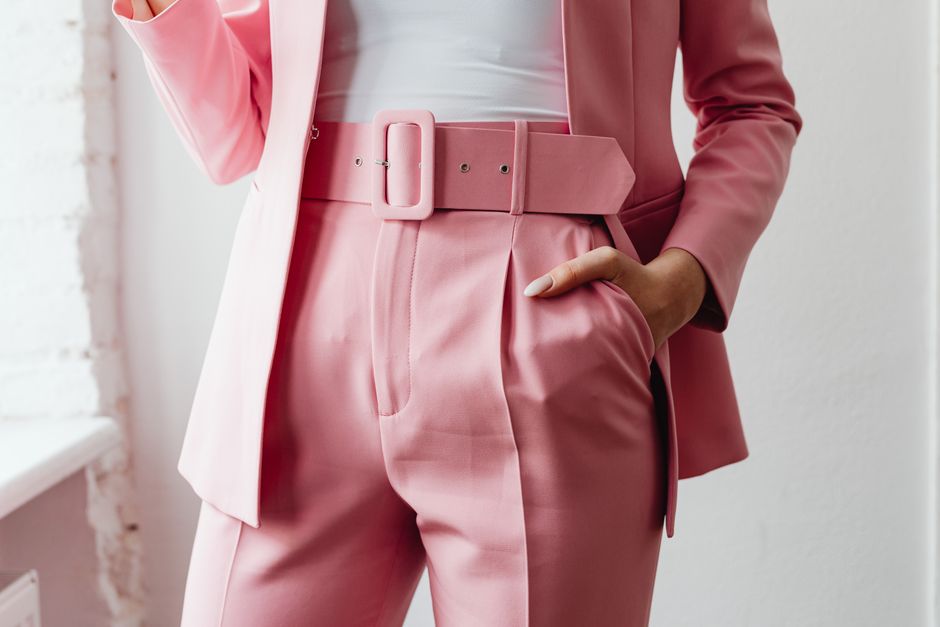
A strong fashion choice begins with fit, proportion, fabric weight, and how the piece behaves in real movement. For 2026, the best outfits balance polish with comfort: clean lines, useful layers, breathable textures, and accessories that support the look instead of overpowering it.
Think about where the outfit will be worn. Office dressing, weekend denim, knitwear, sneakers, dresses, and outerwear all need different levels of structure, color contrast, and durability.
What “modern” means in an office now
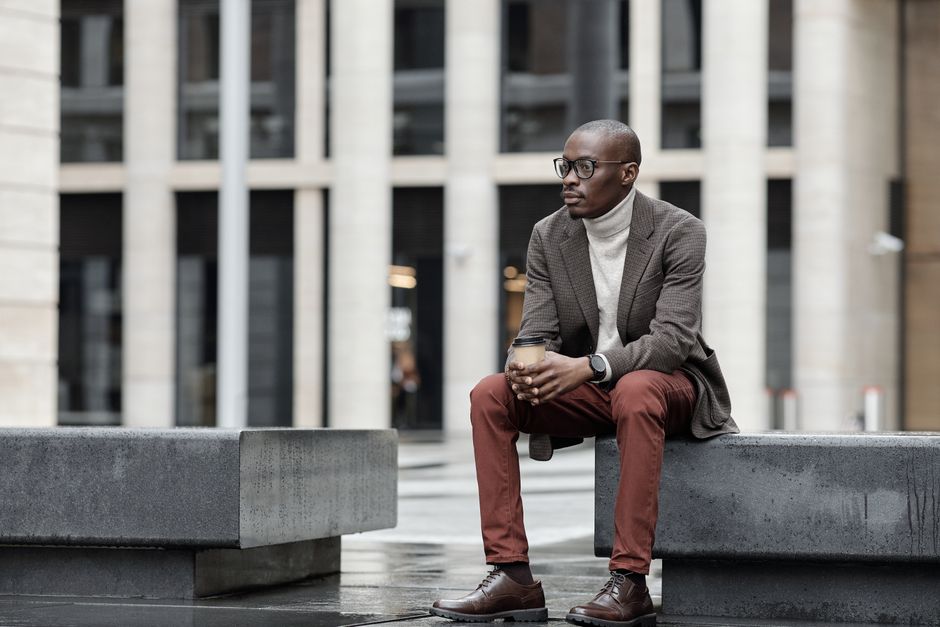
Professional office attire used to mean a matching jacket and trousers, a closed shoe, and very little else. That uniform still works, but most offices have loosened the rules without dropping the expectation that you look prepared. A modern twist is not a slogan tee under a blazer. It is the same polished silhouette with one softer choice: a knit instead of a stiff shirt, a straight trouser instead of a skinny one, or a loafer instead of a pump.
Start by reading the room you actually walk into. A client-facing day still wants a jacket. An internal day can drop the jacket if the top has a clean neckline and the trousers hold a crease. The twist fails when every piece tries to be interesting at once. One relaxed item is enough. The rest should look intentional and quiet.
Fabric does more of the work than a trend name. Wool blends, dense cotton, and ponte keep their shape from morning to late afternoon. Thin jersey shines under office lights and collapses at the seat and elbows. If a trouser bags at the knee after an hour of sitting, it will not look modern. It will look tired. Hold the fabric up to a window before you buy it. If you can see your hand clearly through it, leave it for the weekend.
Build A Complete Outfit
Use one clear anchor piece, then add supporting basics. A jacket, sweater, dress, shoe, or bag can lead the outfit, while neutral layers and simple jewelry keep the styling flexible.
A reliable office formula is three pieces plus shoes. The jacket or a structured cardigan sets the shoulder. The top underneath should sit smoothly, with no bunching at the waistband. The bottom should meet the shoe without a puddle of extra fabric. When those three lines are right, you do not need a statement necklace to make the outfit look finished.
For a week when you do not want to think, repeat this set:
- A navy or charcoal jacket with a slight waist, not a boxy boyfriend cut unless that is already your shape.
- Two tops: one crisp cotton shirt, one fine-gauge knit in cream, black, or the same navy.
- Straight trousers in a second neutral, so the jacket and the leg are not an identical match every day.
- A knee-length dress in a matte fabric, worn with the same jacket on days you want less fuss.
- One belt that fits the trousers you already own, not a decorative belt that only works with one look.
Rotate the tops and you have distinct days without buying a new outfit each morning. Monday is the full jacket and shirt. Tuesday is the knit under the jacket, with the shirt collar skipped. Wednesday is the dress and jacket, belt optional. Thursday drops the jacket if the calendar is internal, and keeps the trousers and knit. Friday can add a cleaner sneaker only if your office already treats that as normal. If it does not, stay with the loafer.
The small changes that read as current
Proportion is the modern part. A cropped jacket over a high-rise trouser looks sharper than a long blazer swallowed by a low rise. Sleeves should end at the wrist bone when your arms are at your sides. Trouser hems should break once, or stop just above the shoe if you are wearing a loafer with no sock showing. A full break that covers the laces makes even new shoes look borrowed.
Color is the other lever, and it works best in a narrow range. Navy, black, stone, cream, and one muted accent (forest, burgundy, or soft blue) can cover a season. Wear the accent once: a knit, a shoe, or a bag, not all three. A head-to-toe bright look is a costume in most offices. A navy suit with a burgundy knit underneath looks considered and still serious.
Shoes decide whether the outfit feels like work or like a day off. A leather loafer, a low block heel, or a sleek ankle boot keeps the line. A chunky running shoe fights a tailored trouser unless the rest of the office is already dressed that way. If you want the comfort of a sneaker, choose one in leather with a slim sole and wear it with a cropped trouser so the shoe is a choice, not an afterthought.
Accessories should be useful. A structured bag that closes, a watch or one bracelet, and small earrings are enough. A scarf is a good twist in cold months if it is a plain knit, not a logo print. Skip anything that needs constant adjusting. Office clothes should survive a meeting, a commute, and a desk lunch without a mirror check every hour.
Mistakes that make office clothes look dated
The fastest way to undo a good suit is a top that is too thin, too shiny, or too long. A camisole under a blazer reads as evening wear in daylight. A long tunic over slim trousers cuts the leg in half and looks like the outfit gave up at the waist. Tuck the top, or choose a hem that ends at the hip.
Another miss is copying a runway “office” look that only works on a catwalk: exaggerated shoulders with an equally exaggerated shoe, or a micro hem with a blazer. The modern office version takes one of those ideas and scales it down. A slightly stronger shoulder is welcome. A skirt that you have to tug down in a chair is not.
Fit issues are not a personal failing. Jackets that pull at the button, trousers that gap at the back waist, and sleeves that stop mid-forearm all read as the wrong size, even when the style is right. A tailor can fix a hem and a sleeve. A jacket that does not close without strain needs a different size, not a larger shirt underneath.
Final Styling Note
The most useful wardrobe advice is repeatable. Choose pieces that photograph well, feel comfortable, and can be restyled with items already in the closet.
Before you leave, do one check in full length: shoulder smooth, hem even, shoe visible, bag closed. If the outfit still looks like you on a normal Wednesday, the modern twist is doing its job. You should not need a new trend to explain it.