
 Michael Chase
 If you’re navigating the delicate dance of postpartum intimacy restart, you’re not alone—and trust me, it’s as complex as it is beautiful. After childbirth, whether vaginal or C-section, your body and emotions undergo major shifts that make reconnecting with your partner feel both exciting and intimidating. From my personal experience as a mom, I’ve learned that the path back to closeness isn’t just physical—it’s emotional, mental, and relational too. In this post, I’ll share real-world postpartum intimacy restart tips and introduce you to wellness products that genuinely supported me through recovery and rediscovery, making the whole process feel natural and empowering. Ready to reclaim connection on your terms? Let’s get into it.
Understanding Your Postpartum Body: What’s Normal and When to Seek Help
The postpartum period is a unique and often unpredictable journey. Most healthcare providers recommend a 6-week checkup to assess your recovery, but it’s important to remember that healing varies widely—from about 4 to 12 weeks or longer depending on your body and birth experience.
Common Physical Changes
After childbirth, it’s perfectly normal to encounter:
- Vaginal dryness due to lowered estrogen levels, especially if you’re breastfeeding.
- Perineal soreness or sensitivity if you had a tear or episiotomy.
- Pelvic floor weakness, which can affect bladder control and sexual sensation.
- Breast changes including engorgement, tenderness, or fluctuating milk supply.
- Fatigue resulting from sleep disruption and the demands of caring for a newborn.
Emotional Factors at Play
Your body isn’t the only thing changing—emotions shift too. You might notice:
- Body image changes that can feel foreign or uncomfortable.
- Anxiety about your new role and relationship dynamics.
- The ever-present “mom guilt” that can cloud your confidence.
- Hormonal fluctuations, particularly low estrogen during breastfeeding, which can affect mood and libido.
When to Seek Help
While many changes are normal, watch out for these red flags:
- Persistent or sharp pain during intimacy or daily activities.
- Heavy or prolonged bleeding beyond the initial postpartum period.
- Mood swings that feel overwhelming or include depressive symptoms.
If you experience these signs, it’s important to consult your healthcare provider. Remember, your wellbeing matters just as much as your baby’s.
Preparing Mentally and Emotionally for Intimacy
Getting back to intimacy after having a baby isn’t just physical — it’s a mindset shift too. Here’s what helped me prepare mentally and emotionally:
-
Open Communication with Your Partner: Talk openly about how you’re feeling and what you’re ready for. Schedule intimacy check-ins without any pressure or expectations. It helps keep the connection strong and reduces anxiety around timing.
-
Build Self-Confidence: Try simple things like positive affirmations or mirror exercises to reconnect with your postpartum body. Celebrate non-sexual touch, like holding hands or cuddling, to rebuild comfort and closeness.
-
Manage Expectations: Take it slow. Focus on the emotional connection rather than performance or “getting back to normal” quickly. It’s okay if intimacy feels different—what matters is feeling connected.
When I had my second child, I was hesitant at first and worried about pain or not feeling attractive. But by talking honestly with my partner and focusing on small moments of touch, I found my confidence returning faster than I expected. Patience and understanding are key.
Practical Tips to Ease Back into Physical Intimacy
Getting back to physical intimacy after having a baby can feel tricky, but taking it slow really helps. Here’s what worked for me and many moms:
-
Start with non-penetrative activities: Begin with gentle kissing, massage, or simply exploring each other’s touch. This helps rebuild connection without pressure or discomfort.
-
Use proper lubrication: Vaginal dryness is common postpartum, especially when breastfeeding lowers estrogen. Water-based lubricants are your best friend here — they’re gentle, safe with condoms, and make intimacy more comfortable.
-
Practice pelvic floor exercises: Daily Kegels and deep breathing can strengthen those muscles stressed by childbirth. Start easy and gradually increase reps as you feel stronger to support recovery and reduce pain.
-
Manage pain wisely: Warm baths can soothe soreness. When you’re ready to have penetrative sex, try side-lying or other pressure-reducing positions to avoid strain. Take it slow and listen to your body.
-
Build overall wellness habits: Prioritize sleep, stay well hydrated, and include light exercise like walking or stretching. These boost your energy levels and support both physical healing and libido.
Taking these steps makes postpartum intimacy feel more natural and less stressful, setting the stage for a positive, confident restart.
Top Wellness Devices Products to Support Your Restart
Getting back to intimacy postpartum can feel tricky, but the right wellness products can make a big difference. Here are some mom-approved tools and aids that helped me and many others ease into connection again:
1. Hydrating Intimacy Gel
- Made with natural ingredients, this water-based lubricant tackles common vaginal dryness, especially during breastfeeding.
- Condom-compatible, so safe for all couples.
- A gentle, non-irritating formula that feels natural and refreshing.
2. Pelvic Floor Trainer Set
- Discreet devices paired with an easy-to-use app guide you through pelvic floor exercises.
- Ideal for strengthening muscles after episiotomy or birth.
- Helps rebuild control and reduces discomfort during intimacy.
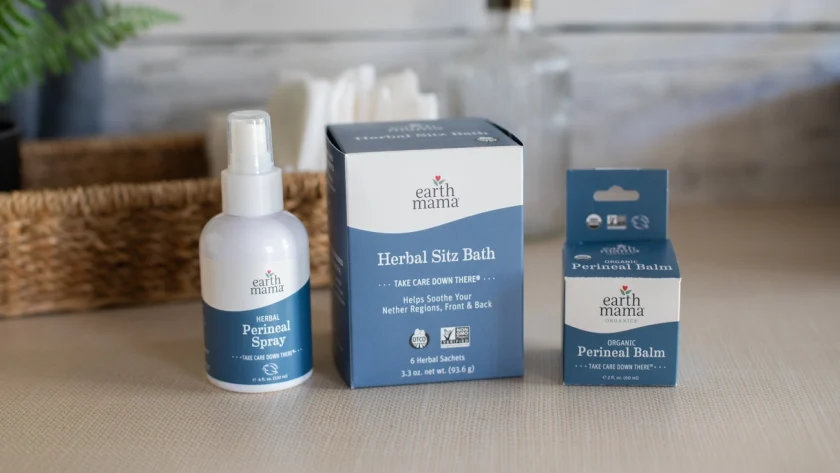
3. Soothing Perineal Spray
- A cooling herbal spray designed to relieve soreness and support daily healing.
- Perfect for use after baths or throughout the day to calm sensitive areas.
- Natural ingredients that promote comfort without harsh chemicals.
4. Couples Massage Oil
- A lightweight, non-greasy oil blend that enhances sensual touch and foreplay.
- Great for bonding, helping partners reconnect through gentle massage.
- Subtle fragrance that isn’t overpowering or sticky.
How to Introduce Wellness Products Smoothly
- Start with non-pressured moments: use massage oils or sprays during downtime.
- Share positive feedback with your partner to build mutual comfort.
- Track changes: many moms report smoother intimacy and increased confidence after adding these into their routine.
- Real testimonials highlight how these products gently supported recovery and reignited closeness.
Incorporating these wellness devices into your postpartum routine can boost comfort, confidence, and connection—helping you enjoy intimacy in a way that feels right for your body and relationship.
Nutrition, Lifestyle, and Holistic Supports for Libido and Recovery
What you eat and how you live can really help bump up your postpartum libido and overall recovery. Here’s what worked for me and what I recommend:
Hormone-friendly foods to add:
- Omega-3 rich options like salmon or walnuts help with hormone balance and mood.
- Zinc-rich nuts such as almonds and cashews support energy and healing.
- Phytoestrogens found in flaxseeds and soy can ease low estrogen effects during breastfeeding.
Supplements to consider (always check with your doctor first):
- Vitamin D for mood support and immune function.
- Magnesium to relax muscles and reduce tension or cramps.
Daily habits to boost connection:
- Schedule short date nights to keep your relationship fresh and stress-free.
- Use mindfulness apps to help manage anxiety and stay present.
- Try couples therapy or counseling if communication or intimacy feels tricky.
Long-term care tip:
- Keep a journal tracking how you feel physically and emotionally. It’s a simple way to notice improvements or spot when you might need extra help.
Combining good nutrition with these lifestyle habits can really support your body and mind as you ease back into intimacy postpartum.
Common Mistakes to Avoid and Success Stories
When restarting postpartum intimacy, it’s easy to fall into some common traps. Here are the biggest pitfalls to watch out for:
- Rushing intimacy before you or your body is ready. Pushing too fast can cause pain and frustration.
- Ignoring pain or discomfort. If sex hurts, don’t just “tough it out.” Listen to your body and seek help if needed.
- Comparing your current sex life to before baby. Your body and relationship have changed, so it’s normal for things to feel different.
On the brighter side, many moms have found success by taking it slow and using the right tools. Here are a few anonymous stories from moms who navigated this phase well:
- One mom shared how she and her partner scheduled regular “intimacy check-ins,” which helped rebuild connection without pressure.
- Another found pelvic floor exercises and natural lubricants game-changers for comfort and confidence.
- A couple credited gentle massage oils and open talks for getting their closeness back after month three.
Remember, postpartum intimacy isn’t about perfection—it’s about evolving with your new body and life. With patience and support, this phase often leads to deeper bonds and a stronger, more understanding relationship.