
 Michael Chase
 Understanding Stress and the Body-Mind Connection
Stress isn’t just a feeling—it’s a full-body experience. When you feel stressed, your brain signals your body to release hormones like cortisol and adrenaline. This triggers changes like a faster heartbeat, tight muscles, and shallow breathing. These physical reactions are your body’s way of preparing to face a challenge, but when they stick around too long, they wear you down.
What is Body Dialogue?
Body dialogue is a mindful practice where you “talk” with your body, tuning into its subtle signals instead of ignoring or fighting them. This isn’t about pushing thoughts away like in typical meditation. Instead, you listen deeply to how your body feels—tension, warmth, or even discomfort—without judgment. This approach taps into what science calls interoceptive awareness, or your ability to sense internal bodily states.
How Interoceptive Awareness Lowers Anxiety
Research shows that improving interoceptive awareness can reduce anxiety and stress levels by helping you:
- Recognize early signs of tension before they escalate.
- Respond with calm, instead of reacting automatically.
- Regulate your nervous system through focused attention on bodily sensations.
This is why body dialogue can feel grounding and soothing—it helps lower cortisol production and slows your heart rate, quieting the stress response.
Body Dialogue vs. Standard Meditation
| Aspect | Body Dialogue Meditation | Standard Meditation |
|---|---|---|
| Focus | Somatic feedback from the body | Breath, mantra, or external anchor |
| Approach | Active listening to bodily signals | Passive observation of thoughts |
| Outcome | Heightened bodily awareness, release of tension | Calm mind and focused attention |
| Emotional engagement | Compassionate response to sensations | Detachment from thoughts and feelings |
With body dialogue, you’re not just calming your mind—you’re building a compassionate relationship with your body’s stress signals. This makes it a powerful technique for mindful stress relief and holistic wellness.
Preparing for Your Body Dialogue Meditation
Before you start your body dialogue mindfulness meditation, setting the right environment and posture is key for a smooth and effective practice.
Ideal Setting and Posture
- Find a quiet, comfortable space where you won’t be disturbed.
- Choose a chair or cushion that supports your back to keep your posture upright but relaxed.
- Avoid lying down unless you’re very familiar with the practice, as it may lead to sleepiness.
- Keep your hands resting gently on your lap or knees.
Recommended Props and Mindset
- Use cushions or blankets for extra comfort, especially under your knees or lower back.
- Have a timer ready if you want to keep track without watching the clock.
- Approach the meditation with an open, curious mindset. There’s no right or wrong sensation—just observe.
- Remind yourself that this is a moment of kindness for your body and mind.
Common Pitfalls and How to Avoid Them
- Avoid starting when you’re rushed or overly tired; even a short session works best when you feel steady.
- Skip harsh self-judgment if your mind wanders—gently bring your attention back.
- If discomfort arises, adjust your posture or shorten the session rather than pushing through pain.
Enhancing the Experience with Calming Sensory Tools
- Consider soft background sounds like gentle music or nature sounds.
- Use an essential oil diffuser or a lightly scented candle for relaxation (lavender or eucalyptus work well).
- Dim the lights or meditate near natural light to keep the atmosphere calm.
By preparing your space and mindset, you set the stage for a deeper connection through your guided body dialogue meditation, making stress relief more accessible and meaningful.
Step-by-Step Guided Meditation Script
Here’s a simple, clear script to guide your Dialogue with Your Body mindfulness meditation. Follow each step at your own pace and adjust based on experience—there are tips for beginners and advanced meditators too.
Step 1: Settle and Ground
- Find a comfortable seat or lie down.
- Take 3 deep breaths—in through your nose, out through your mouth.
- Feel your body sinking into support.
- Let your mind settle, letting go of any tension.
(Beginners: Pause longer between breaths. Advanced: Try slow, even breathing for 5 full breaths.)
Step 2: Full Body Scan
- Slowly bring your attention from your toes up to your head.
- Notice sensations—warmth, coolness, tightness, or ease—without naming or judging them.
- Just feel what’s happening inside your body.
(Tip: Don’t try to fix anything. Just observe and acknowledge the sensations.)
Step 3: Initiate Dialogue
- Gently ask your body: “What are you feeling right now?” or “Where do you need my attention?”
- Listen quietly for any responses—these might be sensations, emotions, or a sense of knowing.
- Stay open to whatever comes without pushing or turning away.
(Advanced: Try asking about specific stress points, like “What does my back want to tell me today?”)
Step 4: Respond with Compassion
- Thank your body for sharing.
- Send kindness inward, offering gratitude or intentions like “I release your tension” or “Thank you for your strength.”
- Visualize any discomfort softening or being embraced by warmth.
(Beginners: Keep it simple with just “Thank you, body.” Advanced: Use heartfelt phrases or gentle visualization.)
Step 5: Integrate and Close
- Take a few more deep breaths and affirm peace within you.
- Slowly bring your awareness back to the room.
- Wiggle your fingers and toes, stretch if you want, and open your eyes when ready.
- Carry this calm with you as you move on.
Timing Tips
- Beginners: Spend about 5 minutes total, moving slowly through the steps.
- Advanced: Extend the practice to 15-20 minutes, allowing deeper exploration in each phase.
This guided script encourages interoceptive awareness and somatic mindfulness to reduce stress effectively. By focusing on body dialogue rather than just breath, you tune into your whole self in a compassionate way—helping you manage stress better and build self-care habits.
Key Benefits Backed by Evidence
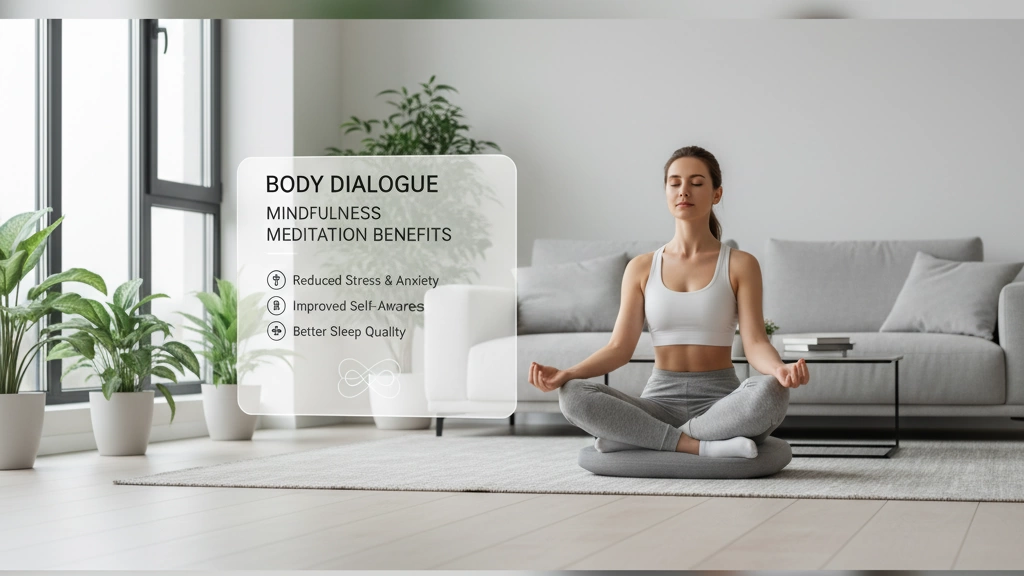
Practicing Dialogue with Your Body mindfulness meditation offers clear benefits for stress relief, backed by research and user experience. Here’s what you can expect:
Immediate Benefits
- Stress relief: Calms the nervous system quickly, helping you feel grounded.
- Better sleep: Eases tension that interferes with falling asleep or staying asleep.
Long-term Benefits
- Lowered blood pressure: Regular body dialogue reduces chronic stress markers.
- Pain reduction: Increased body awareness helps manage and lessen pain over time.
Emotional Gains
- Self-compassion: Builds a kind, accepting relationship with your body.
- Reduced stress reactions: Improves how you handle stressful situations by tuning into subtle body signals earlier.
Body Dialogue vs Breath-Only Meditation
| Benefit | Body Dialogue Meditation | Breath-Only Meditation |
|---|---|---|
| Stress relief | Faster, through somatic feedback | Effective but may take longer |
| Sleep improvement | Noticeable in fewer sessions | Good, but less direct effect |
| Blood pressure lowering | Significant with consistent practice | Moderate over time |
| Managing pain | Higher impact via somatic awareness | Limited to relaxation effects |
| Emotional connection | Stronger self-compassion and emotion regulation | Focus remains on breath focus |
This approach works by tuning you into interoceptive awareness, which is simply tuning into internal body signals. Unlike breath-only methods, body dialogue meditation involves active listening and responding to your body’s messages, making it a more embodied, compassionate practice.
In short, this mindfulness meditation guide provides not only quick stress relief but also supports lasting physical and emotional health improvements.
Troubleshooting Common Challenges
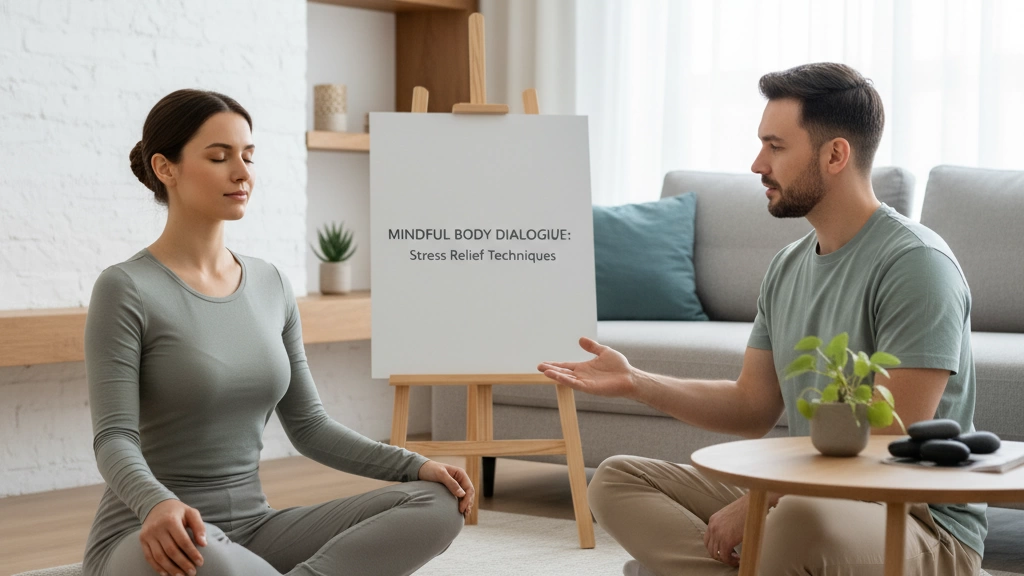
Even with the best intentions, practicing dialogue with your body mindfulness meditation can come with some hurdles. Here’s how to handle common challenges:
Managing Racing Thoughts
- Acknowledge and Redirect: When your mind races, gently notice the thought without judgment and guide your attention back to body sensations or your breath.
- Use Short Pauses: Take a quick break in your meditation to stretch or blink to reset focus.
- Practice Patience: Remember, it’s normal to have wandering thoughts—just keep returning to the practice.
Addressing Physical Discomfort
- Adjust Your Posture: If sitting is uncomfortable, try lying down or use cushions to support your back and knees.
- Shorten Sessions: Start with 5 minutes before gradually extending your practice to avoid strain.
- Move Mindfully: Incorporate gentle stretches before meditation to ease tension.
Handling Emotional Surges
- Stay Grounded: When strong feelings arise, breathe deeply and remind yourself it’s safe to experience emotions.
- Label Emotions Softly: Naming what you feel can help reduce overwhelm (e.g., “I notice sadness”).
- Seek Support When Needed: If emotions become too intense or persistent, reach out to a therapist or counselor.
Overcoming Barriers
- Build a Daily Habit: Aim for just 5 minutes each day. Consistency beats duration for lasting benefits.
- Set Reminders: Use phone alerts or link your meditation to daily routine moments like after brushing your teeth.
- Celebrate Small Wins: Notice progress and be kind to yourself, even if some days feel harder than others.
Using these tips will help make your dialogue with your body meditation smoother, helping you create a lasting and effective mindful stress relief routine.
Integrating Body Dialogue into Daily Life
Bringing body dialogue mindfulness meditation into your daily routine doesn’t have to take long or feel like a chore. Here are some simple ways to make it part of your day:
-
Micro-practices: Take just 2 minutes for a quick body check-in. Pause anywhere to notice tension or energy shifts. This keeps interoceptive awareness sharp without interrupting your flow.
-
Pair with daily routines: Try a short body dialogue meditation before bed to promote restful sleep or right after exercise to cool down mind and body. These moments naturally invite calm and focus.
-
Advanced extensions: Once you feel comfortable, combine this practice with yoga nidra or a slow walking meditation for deeper somatic mindfulness and stress relief.
-
Track your progress: Keep a simple journal to note how your body feels before and after meditation. Write down changes in tension, mood, or stress levels. This helps build motivation and awareness over time.
Using body awareness exercises like these lets you manage stress with small, manageable steps every day. It’s a practical way to support your overall wellbeing and keep mindful stress relief within reach, wherever you are.