 Michael Chase
Some mornings start at 47 degrees, warm to 68 by lunch, and finish with rain on the walk home. That is the awkward window when sandals feel wrong, tall winter boots feel ridiculous, and regular fashion booties soak through at the first puddle. I have bought enough disappointing ankle boots to know the category needs more than a cute shape. The boot has to handle damp sidewalks, bare ankles, changing temperatures, and outfits that are not fully fall yet.
Why transitional weather needs a different boot
The real job of a transitional boot
Ankle boots work in this season because they cover the foot and ankle without adding the heat or visual weight of a knee-high winter boot. That middle height also works with cropped jeans, midi skirts, relaxed trousers, and dresses worn with a light jacket. The best pair acts as a bridge between warm-weather clothes and colder-weather layers.
The first principle is simple: transitional weather is unpredictable, so versatility matters more than insulation. A thick fleece lining may feel nice on one cold morning but become sweaty when the temperature rises. A thin, flexible lining, a closed toe, and a sole with real grip usually earn more wear.
The upper and sole matter more than the trend
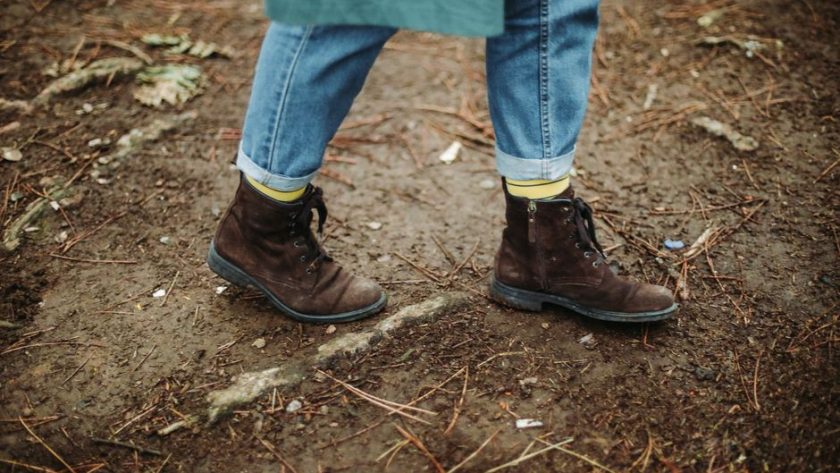
For wet streets, rubber or treated synthetic uppers are easier to live with than untreated suede. Leather can work, but it needs waterproofing spray and careful drying. Check the sole, too. A smooth leather-look outsole may photograph well but slides on wet tile. I prefer a rubber or TPR outsole with visible grooves and a heel under 2.5 inches.
My verdict: choose a boot that handles mild rain, stays comfortable in indoor heat, and works with at least three outfits. That is the useful definition of must-have.
The five checks I use before paying

Check the fit
Feet swell after hours of walking, so I shop for boots in the afternoon and wear the socks I expect to use. I need about a thumb-width of room in front of my longest toe, but not so much space that my heel lifts with every step. The ankle opening should hold the foot without pressing into the ankle bone.
- Stand in both boots for five minutes.
- Walk on a hard floor and test the heel for slipping.
- Bend the toes. The upper should flex across the forefoot instead of folding into the foot.
- Check the zipper or elastic while seated and standing.
- Try the boots with cropped jeans, trousers, and a skirt before removing the tags.
Check the weather claim, not the styling language
Waterproof means the boot is built to block water through its materials and seams. Water-resistant usually means it can handle light moisture for a limited time. Those are not the same thing. If the product page only says weather-ready, treated, or suitable for rainy days, I assume it is not designed for long walks in heavy rain.
Also check the return policy and width options. A boot can have a soft insole and still pinch across the toes. I would rather buy a plain boot in a wide width than a trendier pointed boot that leaves my feet numb by noon. That choice saves more money than chasing a sale price.
The short list: price and weather reality
What each boot actually offers
| Boot | Price checked | Best use | Weather level |
|---|---|---|---|
| A New Day Chelsea Rain Boots | $30 | Wet commutes | Waterproof |
| Dr. Scholl’s Northbound Chelsea Booties | $60 sale, $100 regular | Everyday casual outfits | Light moisture only |
| Dolce Vita Faint H2O Booties | $89.99 sale | Polished rainy-day outfits | Water-resistant H2O style |
| Dr. Scholl’s Joplin Low Ankle Boot | $75 | Office and dry days | Dry weather |
| Universal Thread Frannie Ankle Boots | $45 to $50 | Western-inspired outfits | Dry weather |
Why the cheapest pair is not always the best value
The $30 A New Day boot wins for actual rain, but it has a rain-boot feel and does not replace a refined leather-look boot. The Dolce Vita pair looks more dressed up, yet its price is tied to a sale and can move above the budget. The Dr. Scholl’s styles offer comfort-focused construction, but the Joplin is a dry-weather choice.
My short verdict: for one pair only, buy the Dolce Vita Faint H2O Booties while they stay under $150. For a wet commute, buy the A New Day Chelsea Rain Boots and spend the rest of the budget on a second dry-weather pair.
My five picks, ranked by use
Best for rain: A New Day Chelsea Rain Boots
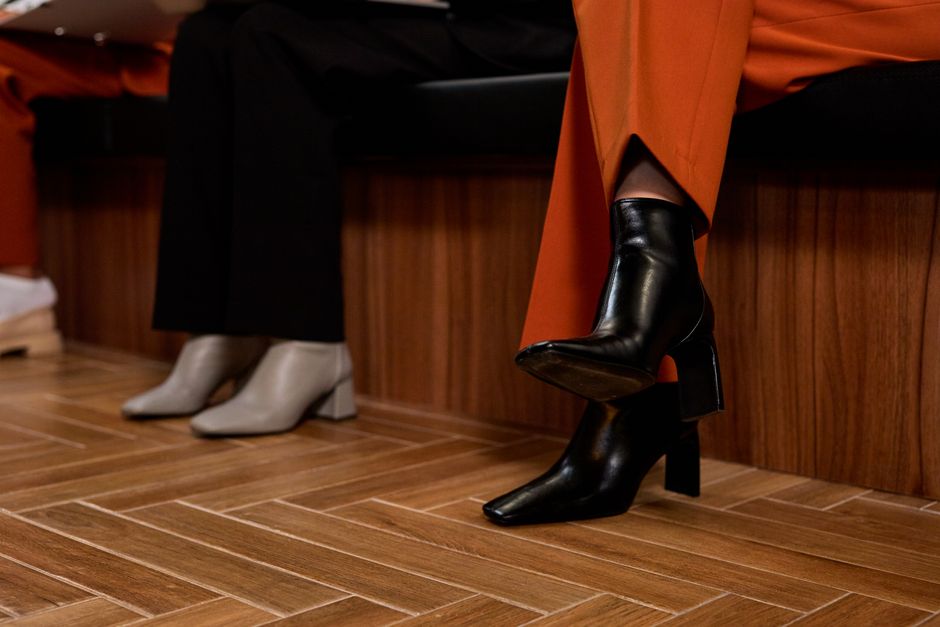
At $30, these are the practical buy. The black pair has a waterproof rubber upper, pull-on Chelsea styling, a block heel, and medium and wide width choices. They are not the boots I would wear to a dressy dinner, but they solve the exact problem of puddles without looking like a tall garden boot. Pick these for commuting, school runs, and wet weekends. Do not expect a warm lining or much arch support.
Best polished wet-weather pick: Dolce Vita Faint H2O Booties
The Faint H2O Booties are the pair I would choose for a rainy office day. The sale price I found was $89.99, below the $170 original price. The H2O construction gives them a stronger weather angle than a standard suede bootie, while the shape still works with trousers and a midi skirt. Buy them only when the price is under $150. If the sale disappears, the A New Day pair is the smarter weather purchase.
Best for dry walking and outfit range
- Dr. Scholl’s Northbound Chelsea Booties: $60 on sale, with a $100 regular price. Choose these for casual walking, jeans, and a low-maintenance Chelsea shape.
- Dr. Scholl’s Joplin Low Ankle Boot: $75 in black faux leather. The low profile looks neat under straight-leg trousers, but I would keep it away from serious rain.
- Universal Thread Frannie Ankle Boots: $45 to $50, with a 2.25-inch block heel, 7.5-inch shaft, memory foam insole, pointed toe, and textured TPR outsole. These are the fun pick for cognac or cream Western-inspired outfits.
Best overall: the Dolce Vita Faint H2O Booties for polished transitional dressing; the A New Day Chelsea wins if weather protection comes first.
How I wear ankle boots between seasons
Use the boot to anchor lighter clothes
Do not wait for a full fall wardrobe before wearing ankle boots. That is how an expensive pair sits untouched in the closet. I wear black weatherproof boots with a cotton midi dress and a cropped denim jacket. With wide-leg trousers, I choose a low or medium heel that shows about half an inch below the hem. With cropped jeans, I leave a narrow strip of ankle visible instead of adding thick socks that bunch at the top.
Cognac boots work especially well with cream denim, olive utility jackets, chocolate cardigans, and navy skirts. Black boots are easier with gray tailoring and printed dresses. Cream boots are striking, but they show road dirt quickly, so I save them for dry days.
Match the sock and hem to the temperature
On mild days, thin ribbed socks keep the boot comfortable without changing the silhouette. On colder mornings, I use a wool-blend crew sock and slightly wider trousers. Avoid forcing skinny jeans into a narrow boot shaft; the bunching looks messy and can make the boot feel tight around the calf.
The most reliable outfit formula is simple: ankle boot, straight-leg denim, fine-gauge knit, and a jacket that can come off indoors. It looks finished without pretending the weather has already turned cold.
Mistakes that make cheap boots feel expensive
Mistake one: buying for the photo
A pointed toe, tall heel, or heavy lug sole can look excellent online and become exhausting in real life. I check the heel height and outsole before I care about the color. A 2.25-inch block heel is usually easier to walk in than a narrow 3.5-inch heel, especially on slick pavement. A flexible forefoot also matters more than decorative stitching.
Mistake two: treating every boot as rain gear
Faux leather can resist a splash, but that does not make every faux-leather boot waterproof. Water can enter through the zipper, elastic panels, seams, and tongue. Suede is even less forgiving. If the listing does not clearly identify waterproof construction, keep the boot for dry weather and carry a compact umbrella.
- Never dry wet boots on a radiator or with a hair dryer.
- Stuff damp boots with paper and let them dry at room temperature.
- Apply leather protector before the first wet day, not after the damage appears.
- Replace a slippery insole rather than sizing up to create room.
- Do not ignore a heel that lifts. It causes blisters and changes your stride.
I also avoid buying two pairs in nearly identical black shapes. One should solve rain or walking, and the other should add a different outfit option. That is how a small boot wardrobe earns its space.
What I would buy with $150 today
Should one pair handle every transitional-weather day?
No. If rain is part of your daily commute, the A New Day Chelsea Rain Boots are the clear first purchase at $30. They protect better than most fashion booties and leave enough money for a dry-weather pair. If your days are mostly offices, restaurants, and short walks, the Dolce Vita Faint H2O Booties are the better single pair while the sale price stays below $150.
Which pair should comfort-focused shoppers choose?
Choose the Dr. Scholl’s Northbound Chelsea Booties for an everyday casual boot, or the Joplin Low Ankle Boot for a cleaner office shape. I would not choose the Universal Thread Frannie as my only pair because the 2.25-inch heel and pointed toe make it less useful for long wet walks. It is the right choice for style, not all-purpose weather.
My final recommendation
Buy the Dolce Vita Faint H2O Booties for the most balanced mix of polish and weather resistance. If the price rises above $150, get the A New Day Chelsea Rain Boots for wet days and the Dr. Scholl’s Joplin for dry outfits. That two-boot combination costs about $105 and covers far more real life than one expensive pair that fails in the rain.