

 Michael Chase
Need ankle boots that survive warm afternoons, cold mornings, and an unexpected rain shower without swallowing your entire shoe budget? The best choices under $150 are not the tallest, trendiest, or most heavily lugged. They are the pairs with a useful balance of weather protection, walkable soles, easy styling, and a price that still makes sense after one season.
This is not financial advice. These are retail purchases, so the APR range is 0% when paid in full and the purchase fee is $0 before tax or shipping; those costs can change if a shopper uses a separate credit account. Prices below are a September 2026 snapshot and may move with sales or remaining sizes.
Which ankle boots under $150 are actually worth buying?
Here is the short list I would use before opening twenty browser tabs. The ranking favors transitional weather: wet sidewalks, light mud, changing temperatures, and outfits that still look polished with jeans, trousers, or a midi skirt.
| Boot | Price snapshot | Weather claim | Best use | Verdict |
|---|---|---|---|---|
| Hunter Tabitha Chelsea Waterproof Rain Boot | $49.97; $89 comparable value | Waterproof | Rainy commutes | Best wet-weather value |
| Dolce Vita Huey H2O Waterproof Bootie | $49.97; $140 comparable value | Waterproof | Casual city outfits | Best style-price balance |
| Sam Edelman Laguna Waterproof Chelsea Boot | $89.97; $150 comparable value | Waterproof | Smart casual dressing | Best polished pick |
| Ariat Wexford Waterproof Lug Boot | $99.97; $189.95 comparable value | Waterproof | Long walks and rough sidewalks | Best grip-focused option |
| SOREL Joan Rhapsody Waterproof Chelsea Boot | $53.97; $150 comparable value | Waterproof | Cooler, rainy days | Best comfort-led choice |
The safest overall buy
For one pair that covers the most outfits, choose the Sam Edelman Laguna at the current $89.97 price. It has the clean Chelsea shape people expect from an everyday ankle boot, while the waterproof label gives it a practical edge over ordinary suede or fashion leather.
Where the bargain is real
The Hunter Tabitha and Dolce Vita Huey H2O both fall below $50 in the current listing. That is a strong deal, but clearance pricing often means fewer sizes and limited color options. The bottom line: the Laguna wins for polish, while the Tabitha wins if keeping rain off your socks matters most.
What makes a boot work in transitional weather?

A transitional-weather boot needs to solve three problems at once: moisture from outside, heat trapped inside, and outfits that shift from casual to polished during the same day. My verdict is simple: choose a waterproof or clearly water-resistant ankle boot with a low heel, a flexible sole, and enough room for a medium sock. A smooth upper wipes clean faster than nubby suede, while a modest lug pattern adds traction without making the shoe look like winter gear. Skip thick insulation unless temperatures regularly fall near freezing, because warm lining becomes uncomfortable when the afternoon reaches 60 degrees Fahrenheit. Also reject a beautiful pair with a narrow opening that rubs the ankle; no outfit benefit compensates for a boot you stop wearing after twenty minutes. The best transitional boot is the one that handles a wet sidewalk at 8 a.m. and still looks natural with a dress at 6 p.m.
How to read waterproof and water-resistant boot labels
Boot labels deserve more suspicion than most shoppers give them. “Waterproof,” “water-resistant,” and “weatherproof” do not promise the same level of protection, and a retailer may use a broad marketing term that says little about seams, closures, or the material above the ankle.
Waterproof is a construction claim, not a magic shield
A waterproof boot should keep liquid from passing through the upper during normal rain exposure, but the label does not make every part of the shoe sealed. Water can enter through the top opening, tongue, zipper, or stitching. A Chelsea boot with elastic side panels may protect the main upper while still allowing water in during a deep puddle. For city rain, that may be enough. For standing water, choose a taller rubber design with fewer seams.
Water-resistant works for light exposure
Water-resistant leather or treated textile can handle drizzle and a short walk from a car to a building. It is not the right choice for repeated storms or wet grass. If a listing only says “resists moisture,” treat that as a light-duty promise. Check the care instructions too: sprays and conditioners can help some uppers, but the wrong product can darken leather or damage synthetic finishes.
Match the label to the actual risk
For a dry climate with occasional rain, water resistance is enough and often looks dressier. For a rainy commute, waterproof construction is worth paying for. For snow, slush, and freezing temperatures, an insulated winter boot is a different category. My verdict: do not pay extra for the word “weatherproof” alone; pay for a clear use case, sealed details, and a sole that matches the ground you walk on.
Use this five-minute fit test before buying ankle boots
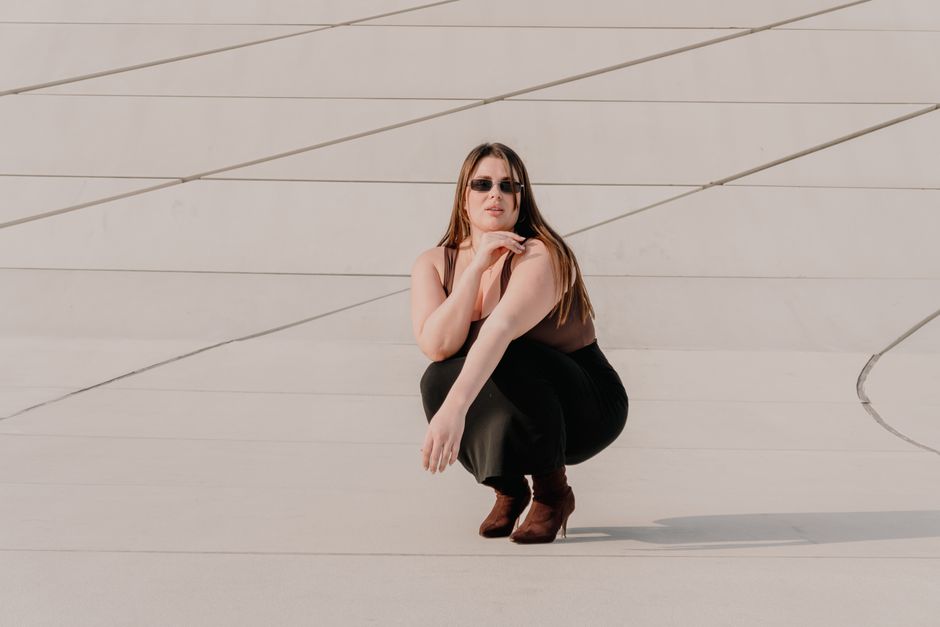
My recommendation is to judge fit in the socks and clothing you will actually wear, not barefoot in a thin store liner.
- Check toe space. Stand up and leave roughly a thumb’s width between your longest toe and the front. Your toes should not touch when walking downhill.
- Test the heel. A small amount of lift is normal in a new boot, but your heel should not slide dramatically with each step. Excess movement creates blisters quickly.
- Press the ankle opening. The collar should touch your ankle without cutting into the tendon. Sit, stand, and bend your leg; stiffness that feels minor in a fitting room can become painful outdoors.
- Walk for two minutes. Try a hard floor, a turn, and a stair if possible. Look for creasing across the toes, slipping at the heel, or a sole that feels rigid.
- Test your hemline. Wear the boot with straight-leg jeans, wide-leg trousers, and a skirt. If the shaft catches every hem, the pair may be harder to style than its product photo suggests.
Do not size up just to create sock room. A loose heel can cause more trouble than a snug instep, so look for a wide-width version or a softer upper first. The bottom line: a boot that passes this test earns closet space; a boot that fails one major point should go back, even if the sale price looks impressive.
My five picks under $150 for 2026
My strongest recommendation is the Sam Edelman Laguna for shoppers who want one pair to bridge work clothes and weekend outfits. The current $89.97 listing puts it below the target, and its waterproof Chelsea shape is easier to dress up than a chunky rain boot.
1. Hunter Tabitha: best for constant rain
At $49.97, the Hunter Tabitha Chelsea Waterproof Rain Boot is the practical winner. It makes sense for commuters who care more about dry feet than a leather-like finish. The tradeoff is visual: rubber rain styling can look less refined with tailored trousers. Buy it for wet streets, not for a sleek office shoe.
2. Dolce Vita Huey H2O: best budget fashion pick
The Dolce Vita Huey H2O Waterproof Bootie is listed at $49.97 against a $140 comparable value. It is the pair I would choose for casual denim, oversized jackets, and everyday errands when a traditional rain boot feels too outdoorsy. Its clear verdict is style per dollar, but check the sole and lining in person if you expect all-day walking.
3. Sam Edelman Laguna: best polished all-rounder
The Laguna costs more at $89.97, yet it earns that spot with a cleaner silhouette and stronger outfit range. Wear it with cropped trousers, relaxed jeans, or a printed midi dress. For a small wardrobe, this is the best choice because one pair can cover more settings without looking like dedicated rain gear.
4. Ariat Wexford: best for grip
The Ariat Wexford Waterproof Lug Boot is currently $99.97, with a comparable value of $189.95. Choose it for slick sidewalks, uneven paths, and days that involve serious walking. The lug sole adds confidence, but it also creates a heavier look. This is the clear winner for function, not minimal styling.
5. SOREL Joan Rhapsody: best for cool rain
The SOREL Joan Rhapsody Waterproof Chelsea Boot appears at $53.97 against a $150 comparable value. It is a smart pick when rain arrives with a chilly breeze and comfort matters more than a sharp, narrow shape. Skip it for hot early-fall afternoons if the lining feels too warm. The bottom line: Laguna is my overall pick, Tabitha is the rain bargain, and Wexford is the grip specialist.
Which ankle boot should you choose for your actual week?

Is a waterproof boot necessary for ordinary fall outfits?
No. If most trips happen by car and rain is rare, a water-resistant leather boot may look more elegant and feel less rubbery. Still, the Hunter Tabitha is cheap enough to make sense as a dedicated wet-weather backup.
Which pair works best with office clothes?
The Sam Edelman Laguna is the strongest office choice. Its clean Chelsea profile looks intentional with trousers and does not compete with a dress. The Ariat Wexford is better for outdoor walking but reads more rugged.
Should you buy a sale boot with limited sizes?
Only if it passes the fit test and the retailer allows returns. Clearance pricing can make a $49.97 boot tempting, but a poor fit is not a saving. Check width, toe room, and return fees before ordering. My final verdict is direct: for one dependable transitional pair under $150, buy the Sam Edelman Laguna if your size is available; choose the Hunter Tabitha when rain protection is the priority.