
 Michael Chase
You want one clean white sneaker that works with jeans, tailored trousers, summer dresses, and the clothes already hanging in your wardrobe. Then you see the same two names everywhere: VEJA and Autry. Both have a low-top tennis shape, a fashion following, and a price that deserves more thought than a quick checkout.
My pick for most shoppers is the VEJA Campo. It offers clearer material choices, a lower price, and a repair program. Choose the Autry Medalist Low only if its thicker vintage shape and soft leather feel matter more to you than a stronger sustainability story.
What should a sustainable white sneaker actually solve?
Start with the wear-per-dollar test
A white sneaker earns its place by solving a simple wardrobe problem: it makes many outfits look finished without demanding much styling effort. The sustainable choice is not automatically the shoe with the most recycled content. It is the pair you will wear often, maintain properly, and keep for years. A $175 shoe worn twice is a poor purchase. A $240 shoe worn three times a week for four years may serve you better, even if its material story looks less impressive.
Separate materials from marketing
Look for exact information about the upper, lining, insole, outsole, and factory location. Organic cotton, recycled polyester, bio-based foam, and natural rubber each solve a different problem. None makes a shoe impact-free. Leather can last well but still carries animal agriculture and tanning concerns. Plant-based materials can reduce reliance on new petroleum but may wear faster or contain synthetic coatings.
Use repairability as a buying filter
A replaceable insole, sturdy stitching, and an outsole that can receive professional repairs matter more than a vague green label. Also check care instructions before buying. White leather needs wiping and conditioning; suede needs a brush and stain protection; canvas accepts more casual cleaning but can lose its shape. The best sustainable sneaker is the one that survives real life, not the one with the prettiest claim on its product page. My verdict: judge sustainability by material transparency, expected wear, and care support together.
Veja vs. Autry: price and construction compared

The price gap is meaningful. Current US list prices put the standard VEJA Campo below the classic Autry Medalist Low, while the VEJA V-10 sits between them. The comparison below uses the main white versions, not limited collaborations or sale prices.
| Model | US list price | Upper and lining | Notable details |
|---|---|---|---|
| VEJA Campo Leather White Black | $175 | Organic Traced leather; 100% recycled polyester lining | 50% Amazonian rubber outsole; made in Brazil |
| VEJA V-10 Leather White Black | $180 | Leather panels; 100% recycled polyester lining | 40% Amazonian rubber and 10% recycled rubber scraps in outsole |
| Autry Medalist Low White Leather | $240 | 100% cow leather upper; leather, terry, and nylon lining | 2 cm leather insole; 2.5–3.5 cm sole height |
| VEJA Campo Canvas White Black | $155 | Canvas upper | Lower entry price; more casual texture |
The price verdict
Choose the Campo Leather for the best balance. It saves $65 against the Autry and gives you a more detailed materials breakdown. Pick the V-10 if you want a larger, more graphic side logo. Pick the Campo Canvas when a lighter, less polished summer sneaker matters more than leather durability. The official product pages for the VEJA Campo, VEJA V-10, and Autry Medalist Low list these specifications and prices, which can change with color and market.
Why VEJA is the stronger sustainability choice
VEJA wins the sustainability comparison. That does not mean the Campo or V-10 has a tiny footprint. Both still use leather, rubber blends, adhesives, and synthetic components. The advantage comes from clearer sourcing choices and a longer-term support system.
What the Campo puts into the shoe
The VEJA Campo Leather White Black costs $175. Its upper uses VEJA’s Organic Traced leather, while the lining uses 100% recycled polyester. The insole includes Amazonian rubber, bio-sourced EVA made partly with sugar cane, recycled EVA, and organic cotton. The outsole lists 50% Amazonian rubber and 26% mineral silica, with the remaining blend made from synthetic rubber and other materials.
Why the V-10 appeals to careful buyers
The $180 VEJA V-10 adds a more visible court-sneaker shape and lists 40% Amazonian rubber plus 10% recycled rubber scraps in its outsole. Its lining uses recycled polyester and its laces use organic cotton. VEJA also promotes cleaning and repair workshops, a practical benefit when the sole or upper begins to show wear. Choose the Campo for a quieter, more versatile look; choose the V-10 when you want the sneaker to read as a deliberate fashion piece. Neither is the right purchase for someone seeking a completely animal-free shoe, but VEJA provides the more credible low-impact pathway of the two brands.
When Autry is worth the extra $65
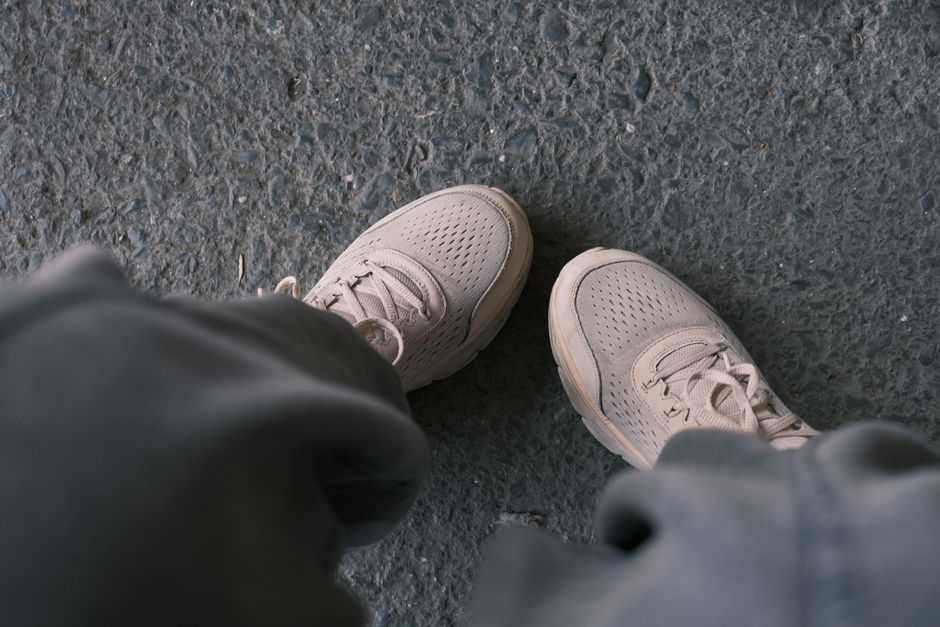
Autry is worth the premium for one clear reason: it looks and feels more substantial. The Medalist Low borrows from 1980s basketball and tennis shoes, with a wider visual footprint, padded collar, perforated toe, and a raised insole. That creates a chunkier outfit balance than the flatter VEJA Campo.
Choose Autry for texture and presence
The classic Autry Medalist Low in white leather costs $240 in the US listing. Its upper uses 100% cow leather, its insole is 2 cm leather, and its rubber sole measures about 2.5–3.5 cm high. The perforated toe helps airflow, while the padded ankle collar gives the shoe a cushioned, finished look. It works especially well with straight-leg denim, wide trousers, relaxed suiting, and midi skirts where a delicate sneaker would disappear.
Accept the sustainability trade-off
Autry’s product details focus on leather construction and comfort rather than recycled or bio-based inputs. That makes it a style-led purchase, not my first recommendation for a shopper making sustainability the main test. It can still become a good wardrobe investment if you wear it constantly and protect the leather from heavy rain. My verdict: buy Autry when its stronger silhouette solves a styling gap. Do not pay the premium simply because social media made the logo familiar.
How to choose the right fit without a return headache
Measure both feet
Stand on paper wearing the socks you plan to use. Mark the heel and longest toe, then measure both feet in centimeters. Use the larger measurement. A sneaker should leave roughly 8–12 millimeters between your longest toe and the front of the shoe. If your toes touch the upper while walking, the pair is too short even when the width feels comfortable.
Check width, heel slip, and toe movement
Walk for five minutes indoors before removing tags. Your heel may lift slightly during the first few wears, but it should not slide enough to rub. Your forefoot should not bulge over the outsole. The toe box should let you spread your toes rather than press them together. A thick sock can disguise a poor fit for a few minutes and create pain after a full day.
Expect leather to soften, not grow longer
Leather usually relaxes across the width and around the instep. It does not reliably stretch in length. Canvas may feel less structured at first but can crease quickly. Do not buy a painfully tight white sneaker hoping it will “break in.” My fit verdict is firm: choose the size that feels comfortable on both feet immediately, then use a thin insole or heel grip for small adjustments.
Five mistakes that make white sneakers a bad buy
The most expensive mistake is buying for the photograph instead of your daily routine. Use this short checklist before paying.
- Buying the wrong silhouette. A narrow, low-profile shoe can look lost under wide trousers, while a chunky court sneaker can overwhelm a petite outfit. Match the sole shape to the clothes you wear most.
- Ignoring cleaning time. White leather needs a damp cloth after dirty outings. Suede needs special care. If you will not clean the pair, choose a cream, gray, or darker accent instead.
- Confusing organic with cruelty-free. Organic leather remains leather. Ask what material the upper uses before treating a sustainability claim as a vegan claim.
- Assuming a rubber sole means athletic support. These are lifestyle sneakers, not running shoes. They lack the cushioning, stability, and tested geometry required for serious training.
- Choosing a limited colorway you cannot style. A white base with a green, gold, or blue heel can be beautiful, but it may not work with every outfit. Buy the accent that repeats somewhere in your wardrobe.
My verdict: if you cannot name at least five outfits and one maintenance habit before checkout, wait. A versatile shoe only saves money when it actually leaves the box.
Which sneaker should you buy in 2026?
Is VEJA better for a lower-impact wardrobe?
Yes. Buy the VEJA Campo Leather White Black at $175 if your priorities are material disclosure, recycled components, Amazonian rubber, repair support, and a clean shape that works across seasons. It is the best all-round choice in this comparison.
Is Autry better for comfort and fashion impact?
Buy the Autry Medalist Low at $240 if you want a padded collar, a raised 2.5–3.5 cm sole, and a visibly retro shape. It earns the extra cost through its heavier styling and leather feel, not through a stronger environmental profile.
When should you choose neither?
Choose neither pair if you need a running shoe, a wide-foot specialist fit, or a fully vegan upper. For a canvas-first alternative at a lower price, the VEJA Campo Canvas White Black costs $155 and gives summer outfits a softer, more casual finish. For most fashion readers, though, the decision is simple: the Campo is the smarter sustainable white sneaker, while the Autry is the better statement sneaker.