

 Michael Chase
 Identifying Common Barriers to Body Reconciliation
Have you ever felt like your body just isn’t something you can fully accept or celebrate? You’re not alone. Many women face deep, complex barriers when trying to reconcile with their bodies and find wellness.
Societal pressures play a massive role. Media ideals bombard us daily with unrealistic standards—the glossy images, filtered selfies on social media, and cultural expectations of how a “perfect” body should look. These messages can make us feel like we’re falling short, fueling frustration and self-doubt.
Then there’s personal history, which shapes how we see ourselves. Childhood experiences, past trauma, or changes like postpartum recovery often leave emotional marks. These influences quietly affect our body image and how we approach wellness.
Health challenges also get in the way. Whether it’s chronic conditions, unpredictable weight changes, or mobility issues, physical hurdles can trigger feelings of resentment or discouragement toward our bodies.
Lastly, the mind’s own barriers—psychological blocks—can keep us stuck. Negative self-talk, the trap of comparing ourselves to others, and perfectionism create a fog that clouds self-acceptance. These inner critics often whisper things that push us further from peace.
Recognizing these barriers is the first step toward healing. Understanding what holds you back allows you to gently begin dismantling those walls and move closer to a loving relationship with your body.
The Turning Point: One Woman’s Story of Awakening
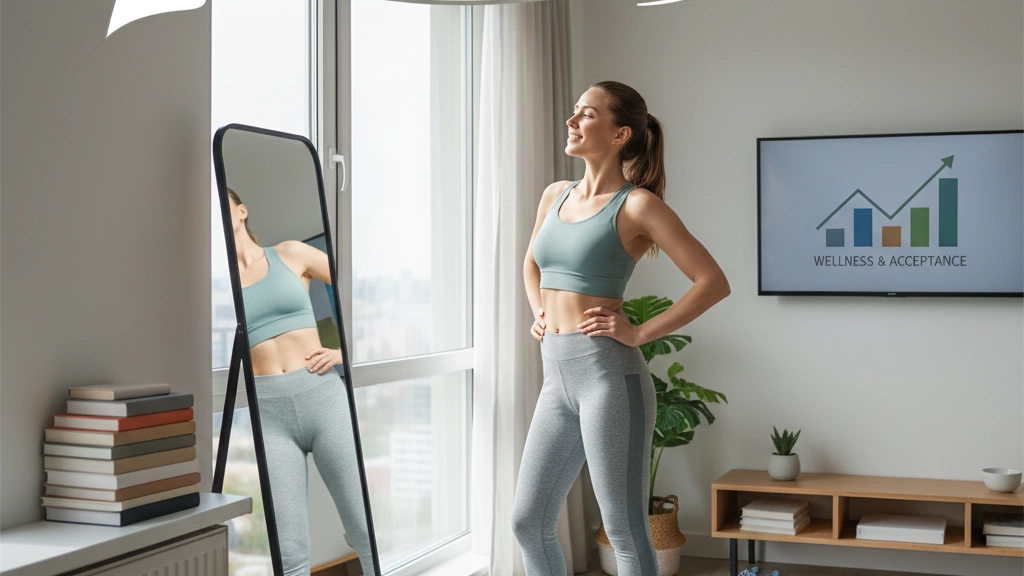
I hit my lowest point when I started avoiding mirrors and skipped social events because I felt ashamed of my body. It was hard to admit how much negative self-talk had taken over. The turning point came unexpectedly during a quiet moment of self-reflection. I realized that hiding wasn’t helping; it was only deepening my emotional barriers.
That moment pushed me to seek therapy, where I began unpacking the root causes of my body image struggles. Small changes, like challenging my inner critic and practicing daily affirmations, gave me early wins. Each tiny shift built momentum, helping me move from self-rejection to a place of cautious self-acceptance. This was the start of my real journey towards body reconciliation and wellness.
Step-by-Step Strategies for Overcoming Emotional Barriers
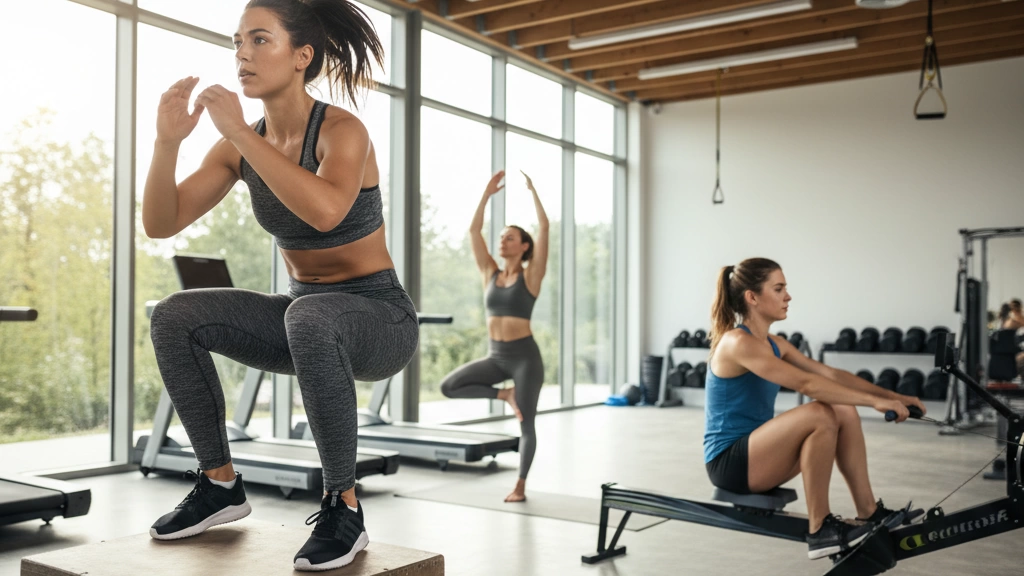
Overcoming emotional barriers is a key part of a woman’s wellness transformation. Here’s how I tackled negative self-talk and started embracing self-acceptance strategies that really work:
Cultivate Self-Compassion
- Use daily affirmations like “I am enough” to slowly change how you talk to yourself.
- Try journaling prompts focused on gratitude and self-kindness. Writing down your feelings helps bring clarity.
- Practice mindfulness or simple breathing exercises to stay present and reduce stress.
Reframe Your Narrative
- When negative thoughts pop up, question their truth. For example, replace “I always fail” with “I’m learning and growing.”
- Cognitive behavioral techniques help break the cycle of harmful comparisons and perfectionism traps.
Build Your Support Network
- Therapy can give you tools to understand and manage emotional blocks.
- Join women’s groups or online communities where you can share experiences and get encouragement.
- Surround yourself with people who lift you up and respect your body positivity journey.
Use Wellness Devices for Emotional Insight
- Biofeedback trackers that monitor stress levels and moods add a data-driven angle to your self-care.
- These devices help identify emotional triggers and track progress, keeping motivation steady on your path to self-acceptance.
By combining these steps, you create a strong foundation to move past emotional barriers and build sustainable wellness habits.
Addressing Physical Barriers Through Holistic Wellness
When it comes to overcoming physical barriers on my body positivity journey, I’ve learned that focusing on holistic wellness is key. Here’s what worked for me:
Nutrition without restriction
I stopped dieting and started listening to my body using intuitive eating principles. It’s about tuning into hunger and fullness signals, not counting calories or cutting out foods. Nutrient-dense meals like colorful veggies, whole grains, and good fats keep me energized without feeling deprived.
Movement as joy
Exercise stopped feeling like a punishment when I switched from intense workouts to activities I actually enjoy. Yoga, walking in the park, or simple stretching help me connect with my body kindly—and yes, it’s much easier to stay consistent this way.
Sleep and recovery
Fatigue made me resent my body more, so I prioritized sleep routines. Keeping a regular bedtime, reducing screen time before bed, and creating a calming environment help me rest well and reset my energy.
Tech-assisted progress
Wellness devices play a supportive role, too. I use sleep trackers and activity monitors to understand my rhythms better. These tools keep me motivated with real data but don’t control me. They guide me in making personalized wellness plans that fit my pace and life.
By combining these steps, I tackled physical challenges in a way that felt sustainable and kind to my body, which made a huge difference in my overall wellness.
Integrating Mind, Body, and Spirit for Lasting Reconciliation
True body reconciliation goes beyond just physical changes—it includes healing your mind and spirit too. Holistic practices like meditation, breathwork, and spending time in nature can ground you and reduce stress. These simple daily habits help you reconnect with your body in a gentle, respectful way.
Setting clear boundaries is just as important. Learn to say no to toxic influences—whether that’s negative people, harmful social media, or unrealistic expectations—and say yes to self-care. Protecting your energy creates space for healing and growth.
Celebrate the wins that don’t show on the scale. Notice your strength improving, your energy increasing, or your mood lifting. These non-scale victories remind you that your wellness journey is about so much more than appearance.
For lasting change, make long-term maintenance part of your plan. Schedule annual check-ins with yourself to adjust your routines and goals as life evolves. Staying flexible helps you keep this balanced approach—mind, body, and spirit—in harmony over time.
Real-Life Tools and Resources for Your Journey
When you’re working on overcoming barriers and embracing your body and wellness, having the right tools can make all the difference. Here are some practical resources to support your body positivity journey and self-acceptance strategies:
Must-Have Apps
- Calm or Headspace – for guided mindfulness and meditation to ease negative self-talk.
- Intuitive Eating Tracker – helps you tune into your body’s actual hunger cues without dieting stress.
- MyFitnessPal or Cronometer – to gently monitor nutrition, focusing on nourishment rather than restriction.
Books That Inspire
- The Body Is Not an Apology by Sonya Renee Taylor – a powerful read for self-compassion and healing from body shame.
- Radical Acceptance by Tara Brach – great for learning mindfulness and emotional barriers recovery.
- Health at Every Size by Linda Bacon – shifts your mindset from weight-focused to holistic wellness.
Podcasts to Follow
- The BodyLove Podcast – real talks on self-acceptance and overcoming body image issues.
- Dishing Up Nutrition – practical tips on intuitive eating and sustainable wellness habits.
Wellness Devices Spotlight
Tech can help you stay connected to your body in an empowering way:
- Heart Rate Variability (HRV) Monitors track stress and recovery, showing emotional wellness trends over time.
- Smart Scales not only measure weight but also track body composition, giving a fuller picture than just pounds.
- Sleep Trackers and Activity Bands help you build routines based on actual data, encouraging gentle movement and better rest without pressure.
Free Downloadable Worksheet
Start your journey with a simple, no-cost Body Reconciliation Action Plan worksheet. It guides you through:
- Identifying emotional and physical barriers
- Setting realistic self-care goals
- Tracking progress and celebrating wins beyond the scale
Using these real-life tools alongside daily self-compassion practices brings clarity and motivation. They support a holistic body healing process that fits your lifestyle and helps maintain lasting wellness transformation.