
 Michael Chase
 The Hidden Costs of Skimping on Shoes
We all love a good bargain, but when it comes to shoes, going cheap often costs more than you think. Let’s break down the math: a $30 pair might seem like a steal, but if it wears out in a season, you might end up buying three or four pairs in the same time one durable pair would last. That adds up fast—not just in dollars, but in frustration.
And it’s not just about your wallet. Cheap shoes often cause blisters, sore feet, and all-day discomfort. Anyone who’s limped through a busy day knows pain is an expensive distraction. Plus, those fast-fashion shoes contribute to massive environmental waste—they wear out quickly and get tossed, piling up in landfills.
Psychologically, there’s a cycle of regret. You buy cheap shoes expecting to save money but end up hunting for replacements, feeling bad about the waste, and cursing that impulse buy. That’s why a smart shoe investment means choosing quality footwear investment: shoes built to last, designed for comfort, and made responsibly.
Smart investments aren’t about spending the most—they’re about value. It’s knowing the difference between a fleeting trend and a classic piece that supports your lifestyle, health, and pocket long-term. That’s how you break the regret cycle and step into something truly worthwhile.
What Makes a Shoe Investment Truly Smart? Your Essential Checklist
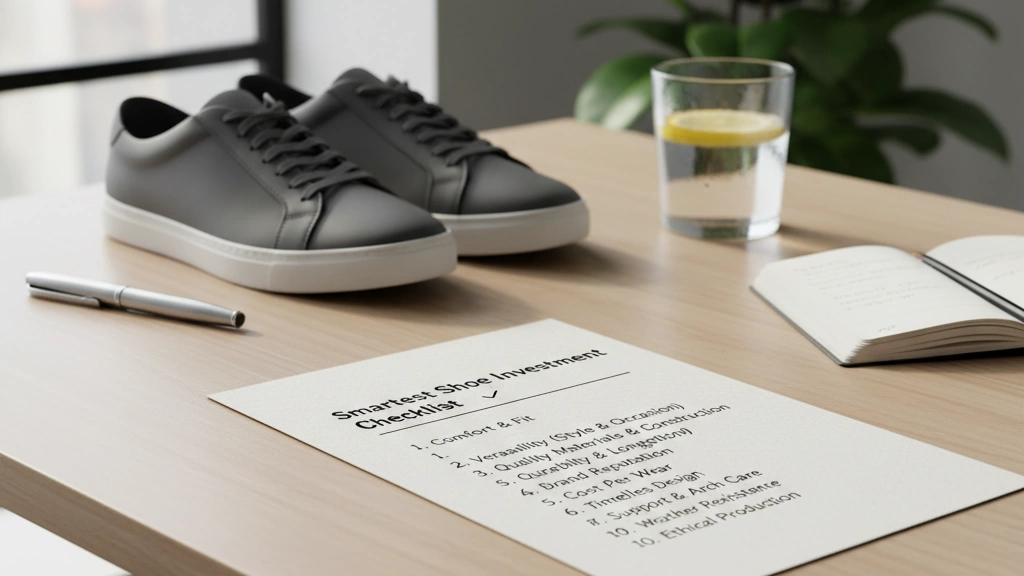
Making a smart shoe investment isn’t just about picking the most expensive pair. It’s about finding quality footwear investment that balances durability, comfort, style, and value. Here’s my quick checklist to help you spot shoes that are truly worth your money:
Durability and Craftsmanship
- Look for sturdy materials like full-grain leather or high-quality synthetics.
- Check stitching and sole attachment—double stitching and cemented or welted soles last longer.
- Durable designer shoes pay off by avoiding early breakdowns or sole wear.
Comfort and Fit
- Try shoes on later in the day when your feet are swollen to get a true fit.
- Prioritize arch support and cushioning—comfortable work pumps make long days easier.
- Consider podiatrist-approved heels if you wear dress shoes often.
Versatility in Colors and Seasons
- Neutral shades like black, brown, nude, or white ensure your shoes match multiple outfits.
- Opt for styles that can be worn year-round, like classic ankle boots or leather loafers.
- Versatile leather loafers and timeless Chelsea boots cover many occasions seamlessly.
Value Metrics: Cost-Per-Wear and Sustainability
- Calculate cost-per-wear: divide shoe price by how often you’ll realistically wear them—lower is better.
- Choose sustainable shoe brands or eco-friendly ballet flats for added value to the planet and your conscience.
- High-value espadrilles or classic leather loafers often score well here.
Quick Quiz: Find Your Smart Shoe Match
- Do you need shoes mostly for work, casual wear, or special events?
- How often do you wear heels or flats?
- What’s your climate like—do you need weatherproof options?
- What’s your budget for a single pair?
Answering these helps narrow down shoes that fit your lifestyle and wallet without regret. A smart shoe investment checks all these boxes—durable, comfortable, versatile, and sustainable—and becomes a true wardrobe essential footwear piece you’ll rely on every day.
My Top 8 Shoe Investments: Real Picks That Delivered (With Why They Worked)
Over the years, I’ve found eight pairs that truly stand out as smart shoe investments because they blend durability, comfort, and style. Here’s what worked for me:
1. Classic Leather Loafers
Timeless and polished, these loafers go with everything from jeans to workwear. Their high-quality leather ages beautifully, making them a true wardrobe essential footwear piece.
2. White Leather Sustainable Sneakers
These combine style and eco-friendly appeal. Made by ethical fashion sneakers brands, they’re breathable, comfy, and perfect for daily wear without harming the environment.
3. Neutral Ankle Boots
Versatile and perfect for all-weather use, neutral-colored boots handle rain, light snow, or dry days. Look for durable designer shoes with traction soles for better grip.
4. Nude Heeled Pumps with Comfort
Podiatrist-approved heels that don’t kill your feet. These shoes balance style and support, ideal for office days and events alike.
5. Summer Espadrille Wedges
High-value espadrilles that last through multiple seasons. They add just the right lift for casual or dressy summer looks while staying breathable.
6. Chunky Platform Sandals
Durable and trendy, chunky sandals bring style without sacrificing comfort or stability. Great for casual outings or weekend fun.
7. Chelsea Boots with Traction
These boots are timeless and practical, thanks to their sturdy soles and weather-resistant material. Perfect for a mix of work and casual wear.
8. Satin or Leather Ballet Flats
Look for eco-friendly ballet flats made with quality materials. Their durability and classic style make them go-to shoes for everyday use.
Each of these pairs has proven their worth through cost-per-wear value, comfort, and lasting craftsmanship—core factors in any quality footwear investment.
How to Spot and Score Your Own Smart Shoe Buys Without Breaking the Bank
Finding quality footwear investment doesn’t mean emptying your wallet. Here’s how I pick durable designer shoes smartly, so you get the best without overspending.
Vet Brands and Read Reviews
- Look for brands known for craftsmanship and ethical fashion sneakers.
- Check customer feedback for comfort, fit, and durability. Real user experiences help spot hype-driven pitfalls.
- Don’t rely only on flashy ads; reviews tell the true cost-per-wear story.
Shop by Budget Tiers
- Set a clear budget: entry-level, mid-range, or premium.
- For budget-friendly options, focus on versatile leather loafers or classic ankle boots from trusted brands.
- If you can stretch, invest in timeless Chelsea boots or high-value espadrilles that last multiple seasons.
Sizing and Fit Hacks
- Always try shoes on later in the day when feet are swollen to get true size.
- Use sizing charts and measure your feet if shopping online.
- Prioritise fit over style—comfortable work pumps and podiatrist-approved heels matter more when you wear them daily.
Care Tips to Extend Life
- Clean leather shoes regularly with appropriate products.
- Store shoes properly—use shoe trees or keep in dust bags to avoid warping.
- Rotate pairs to reduce wear and tear, which maximizes your investment.
Avoid Hype-Driven Pitfalls
- Don’t chase trends that quickly fade—timeless designs win in the long run.
- Be wary of “limited editions” unless the quality justifies the price.
- Focus on essentials like eco-friendly ballet flats or sustainable shoe brands that prove their worth over time.
Quick Actionable List
- Vet brands carefully
- Set and stick to your budget tier
- Prioritise fit and comfort
- Follow simple care routines
- Choose timeless over trendy
- Rotate your shoes often
Following these pointers helps me spot smart shoe investments anywhere and avoid impulse buys that don’t last. You can do it too—without breaking the bank.
Beyond the Purchase: Maximizing Your Shoe Investment for Years
Buying quality footwear is just the start. To get the most out of your shoe investment, you need a solid maintenance routine. Here’s what I do:
- Regular Cleaning: Wipe down your shoes after use to prevent dirt buildup. For leather shoes, use a proper cleaner and conditioner to keep the material soft and durable.
- Smart Storage: Store shoes in a cool, dry place. Use shoe trees or stuff them with paper to keep their shape and avoid creases.
- Track Wear: Rotate your shoes regularly. Wearing the same pair every day causes quicker wear and tear.
- Repurpose Old Shoes: When shoes are past their prime, consider donating, recycling, or upcycling them. This helps reduce environmental waste, part of being a smart shoe investor.
Beyond the practical, good shoes boost confidence and elevate your lifestyle. Investing in quality means less hassle, more comfort, and wearing footwear that truly complements your wardrobe. Lastly, joining local or online shoe communities can provide support, advice, and even new shopping tips—keeping your shoe game strong for years to come.