
 Michael Chase
Why I stopped treating cheap clothes as cheap
My decision started with a packed rail and nothing to wear. I had bought trend pieces for $15 or $20, worn them twice, then pushed them aside because the fabric twisted, the seams split, or the shape looked dated. The low price hid the real problem: I was paying repeatedly for clothes that did not serve me.
The price tag missed the largest costs
Fast fashion separates the shopping moment from the full life of a garment. The tag shows fabric and labor only in a narrow sense. It does not show how often an item gets worn, how quickly it loses shape, or what happens after donation. Polyester can shed plastic fibers during washing. Poor stitching sends garments to the trash sooner. Constant new drops also train shoppers to treat a closet like a feed that needs daily updates.
My 100% rule is personal, not a purity claim
I call my wardrobe 100% ethical because I stopped buying new fast-fashion clothing. That does not mean every fiber, factory, delivery route, or resale transaction is perfect. No shopper can verify every hand in a global supply chain. My rule is a boundary I can control: buy fewer pieces, choose transparent makers, repair what I own, and buy secondhand before buying new. That definition is more honest than placing a green label on an entire closet and assuming the work is finished.
How I made the switch without replacing everything
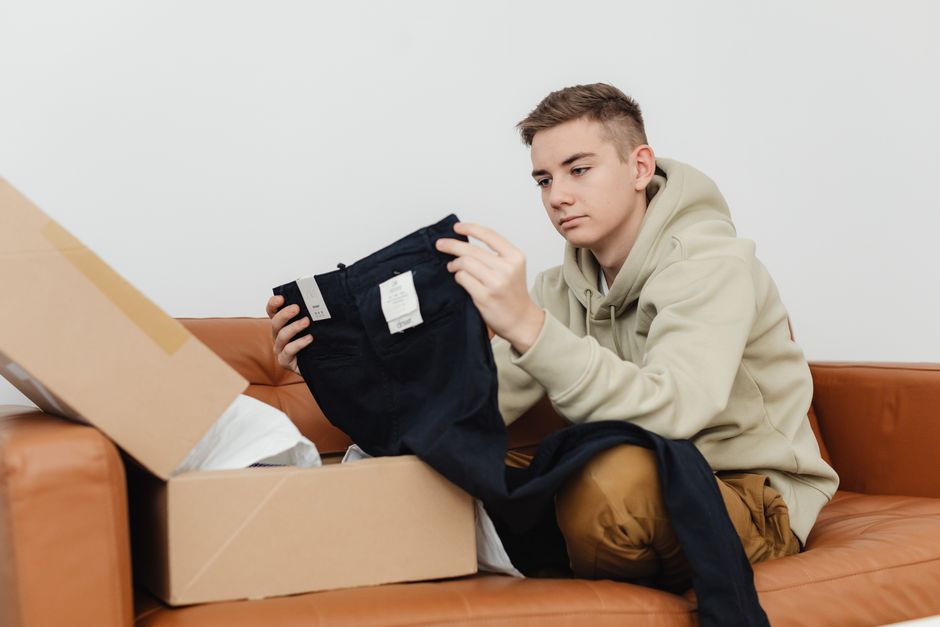
The fastest way to build an ethical wardrobe is to stop treating the transition as a makeover. I kept most of my existing clothes. Throwing them away would have created more waste and forced another shopping spree.
The four-step wardrobe reset
- Freeze impulse buying for 30 days. Add wanted items to a note instead of a cart.
- Photograph every garment and record the last time you wore it. The gaps become obvious.
- Sort clothes into keep, repair, tailor, resell, donate, and recycle piles. Do not donate stained or damaged pieces without checking the local rules.
- Write a replacement list based on real gaps, such as one black trouser, one warm cardigan, or one work shirt.
The money line that kept me honest
I gave each replacement a cost-per-wear target. A $180 jacket worn 60 times costs $3 per wear. A $25 top worn twice costs $12.50 per wear. That calculation changed my behavior more than a sustainability slogan. Like an insurance comparison, I checked the full exposure instead of judging one headline number. Clothing costs vary by state, income, body shape, climate, and individual factors, so my budget is a guide rather than a promise.
How to check an ethical fashion claim
A certification can help, but a green word on a product page proves very little by itself. I now look for evidence about materials, labor, factory locations, repair policies, and the company’s return system. A brand that explains limits earns more trust than one that claims to save the planet with every purchase.
What common labels can and cannot prove
| Claim or standard | Useful evidence | What it does not guarantee |
|---|---|---|
| GOTS organic cotton | Organic fiber and processing requirements | Perfect wages or zero transport impact |
| Fair Trade certification | Defined labor and supply-chain standards | That every garment component is certified |
| OEKO-TEX Standard 100 | Testing for certain harmful substances | Ethical wages or low carbon emissions |
| Recycled polyester | Some material comes from recycled input | Freedom from plastic shedding or greenwashing |
The exclusion warning I look for
My biggest warning sign is a beautiful claim with no scope. Does it cover one fabric, one collection, or the whole company? Does the brand publish factory names? Does it explain what happens to returns? I also compare several prices before deciding. Insurance analysts check AM Best ratings and J.D. Power scores because one marketing line cannot describe an insurer. Fashion needs the same habit of checking more than a badge, even though no single clothing score covers every ethical issue.
Which ethical pieces earned space in my closet
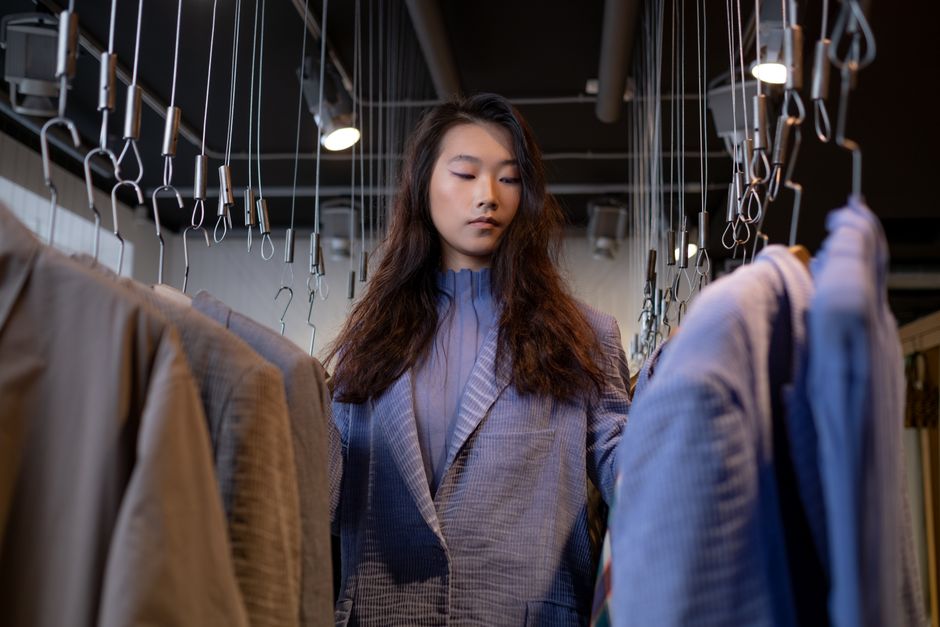
My clear winner for an ethical wardrobe is a well-made secondhand garment that fits today. New clothing comes second, and only when I cannot find the right item used. This approach lowered my environmental footprint while keeping the closet useful rather than symbolic.
The few new items I allowed
For basics, I chose a Pact organic cotton T-shirt at about $25 because the price made replacement easy without creating a trend chase. For denim, the Nudie Jeans Lean Dean, usually near $200, won because the brand offers repair support and the cut works with my existing shoes. Patagonia’s Better Sweater, commonly priced around $139, became my cold-weather layer because it has a long repair culture and survives heavy rotation. The specific products matter less than the test: solid construction, useful design, traceable claims, and a realistic plan to keep each item for years.
What I refused to buy
I skipped a $70 recycled-fiber dress with vague factory information, even though the color was perfect. I also passed on Veja Campo sneakers when the stiff sole caused heel pain during a fitting. Ethical shopping does not excuse an item that goes unworn. A garment made under better conditions still wastes resources if it does not fit, match your life, or last through normal use. My verdict is simple: buy the durable item you will wear, not the impressive item you will explain.
When secondhand beats ethical new clothing
Secondhand shopping became the main engine of my wardrobe, not a fallback for people with limited budgets. It gives existing clothing another use and often reveals better construction than a new trend item at the same price. The tradeoff is time. You need patience, measurements, and a firm return rule.
Use resale for these categories
- Wool coats, leather belts, silk scarves, and tailored blazers often hold up well and show their quality in person.
- Older denim can offer heavier fabric and better fading than current budget jeans.
- Occasion dresses are strong resale purchases because many were worn only once.
- Search by measurements, not only by size. A 30-inch waist and 27-inch inseam tell you more than a brand label.
Choose ethical new for these situations
Buy new underwear, swimwear, socks, and safety-sensitive items when hygiene or wear makes used clothing a poor choice. New basics also make sense when a precise fit is hard to locate after months of searching. I would choose a traceable organic cotton tee over a heavily worn mystery-fiber shirt if both cost the same and the new one will be worn weekly. The best decision is not always the one with the greenest description. It is the one that stays in active use.
What mistakes can ruin an ethical wardrobe?
Can buying “sustainable” still become overbuying?
Yes. I made that mistake first. I bought several ethical basics because each one felt like a responsible choice, then discovered I had three versions of the same beige sweater. A better rule is one in, one reviewed. Before buying, name the outfit, season, and number of wears the item will support. If you cannot name all three, leave it behind.
Should I donate fast fashion I no longer want?
Donation is not a disposal plan. If a garment is clean and wearable, resell it or give it directly to someone who needs it. If it is damaged, check textile recycling options before putting it in the bin. Never use donation to justify buying more. The clothing has already been made, so extending its useful life is the responsible next move.
What should I do when an ethical item costs too much?
Wait, save, or search secondhand. Do not replace a $20 fast-fashion habit with a $300 ethical habit. For tailoring or repairs, get multiple quotes and compare the repair cost with the garment’s likely future wears. That small pause protected my budget and prevented the moral pressure that often leads to rushed purchases.
What changed after I stopped shopping fast fashion
The biggest change was not a smaller closet. It was a quieter one.
My wardrobe became easier to use
I now see outfits instead of unfinished projects. Most pieces work with at least three others, and I know which items need repair before they become emergencies. I still notice trends, but noticing no longer creates an order. A saved photo can stay a saved photo.
The honest final verdict
My ethical wardrobe is not perfect, cheap, or finished. It is more deliberate. I buy secondhand first, choose new items for clear reasons, track cost per wear, question broad claims, and reject clothes that fail the fit test. For anyone standing in front of a full closet and feeling the same frustration I felt, the best first move is not a new haul. Wear what you own, write down the gaps, and let the next purchase earn its place.


