
 Michael Chase
 The save-the-date said Tulum, June. Or Santorini, September. Or a vineyard in Napa, October. You looked up the venue, saw the photos, and immediately realized your standard cocktail dress is built for none of those climates.
Destination weddings add real constraints that a local Saturday ceremony doesn’t. You’re flying in with limited luggage, dealing with unfamiliar weather, and wearing one outfit across a ceremony, cocktail hour, and reception that may stretch five hours in the sun. What you pack has to work harder than almost anything else in your closet.
Climate-by-Climate: What Holds Up and What Doesn’t
Most dress guides give you generic advice that sounds reasonable in an air-conditioned apartment and falls apart the moment you land. This table is more useful:
| Climate / Location | Typical Conditions | Fabrics That Work | What Fails | Common Dress Code |
|---|---|---|---|---|
| Tropical / Caribbean / Mexico | 85–95°F, humid | Chiffon, linen, Tencel, rayon | Polyester, velvet, structured wool | Cocktail, Garden Party, Resort Formal |
| Mediterranean / European Beach | 75–88°F, breezy | Lightweight crepe, chiffon, silk | Wrap dresses (wind), full skirts outdoors | Cocktail, Black Tie Optional |
| European City (Rome, Paris, Prague) | 65–80°F, variable | Structured crepe, satin, charmeuse | Linen (wrinkles), stilettos (cobblestones) | Cocktail to Black Tie |
| Mountain / Wine Country | 50–80°F, cool evenings | Velvet, layered chiffon, knit midi | Thin strappy dresses without layers | Garden Party, Festive, Semi-formal |
| Vineyard / Napa / Sonoma | 65–85°F, mild | Floral midi, linen-cotton blend | Stilettos on gravel paths | Garden Party, Cocktail |
Bottom Line: The dress code on the invitation sets your floor. Humidity and terrain set your actual ceiling.
Why Fabric Is the Decision That Matters Most
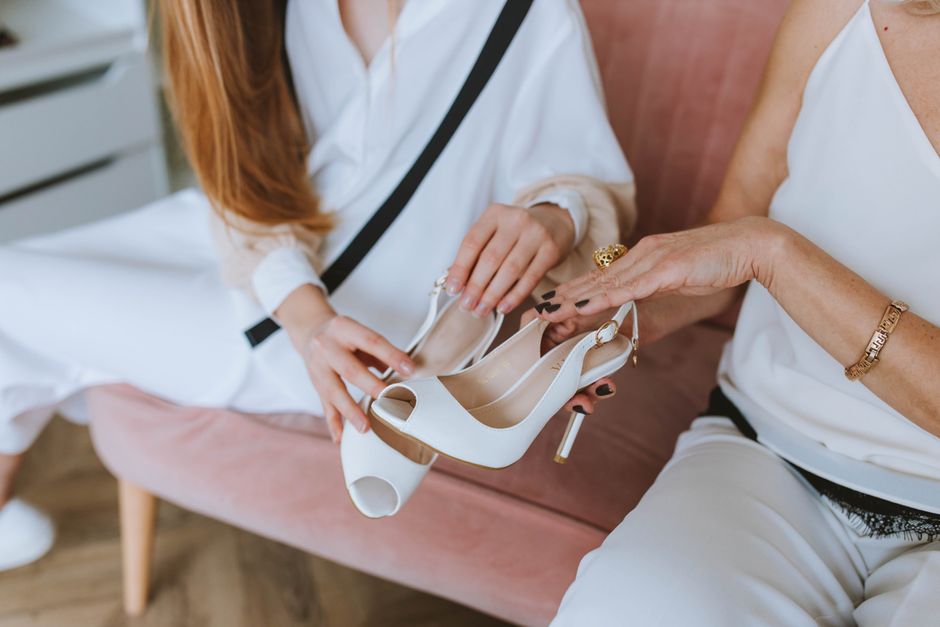
You can buy a genuinely beautiful dress and it will fail you in 90°F heat if it’s 100% polyester. This is where destination wedding outfits collapse more than anywhere else—not the silhouette, not the color, but the material.
What Actually Breathes in Heat
Natural and semi-synthetic fibers move air. Polyester doesn’t. In tropical humidity, a synthetic dress traps body heat against your skin, and you feel it within an hour of the ceremony starting—long before anyone reaches the reception.
Fabrics that work in warm climates:
- Chiffon — floaty, lightweight, barely wrinkles. Layered versions are sheer, so wear a slip beneath.
- Rayon / Viscose — drapes well and breathes reasonably. Wrinkles in transit but shakes out fast once you arrive.
- Linen — the most breathable option available. The tradeoff is visible wrinkling. It needs steaming on arrival, not negotiable.
- Tencel / Lyocell — Reformation builds much of their guest-dress line in this. Breathes close to linen but wrinkles significantly less.
- Silk — photographs beautifully but sweat-stains immediately and requires dry cleaning. Best saved for indoor, climate-controlled receptions only.
Packing Without Destroying It Before the Wedding
Chiffon barely wrinkles if rolled rather than folded flat. Linen wrinkles hard but steams out in five minutes with a handheld steamer. Velvet travels surprisingly well and recovers instantly by hanging in a steamy bathroom. Heavily beaded gowns and structured organza do not pack well under any conditions—you’re betting on fast professional steaming at arrival, which most destination hotels cannot reliably deliver within a few hours.
Reformation Tencel dresses pack flat and recover without any steamer. Eliza J chiffon styles ($88–$130) consistently hit cocktail-appropriate for warm-weather ceremonies without the fragility of silk. Adrianna Papell beaded crepe column dresses ($150–$250) work for European Black Tie Optional events—they photograph like couture without the packing restrictions of true evening wear.
The Shoe Answer Is Shorter Than You Think
Wear a block heel or a low wedge. Stilettos fail on grass, gravel, cobblestones, and sand—basically every outdoor destination wedding surface that exists. The Stuart Weitzman Nudist sandal is a stiletto that photographs beautifully and is genuinely comfortable for an indoor ballroom; it is not comfortable for five hours on Roman cobblestones. Sam Edelman block heel sandals ($80–$100) work everywhere and don’t require a break-in period before the trip.
Tropical and Beach Wedding Outfits That Actually Hold Up
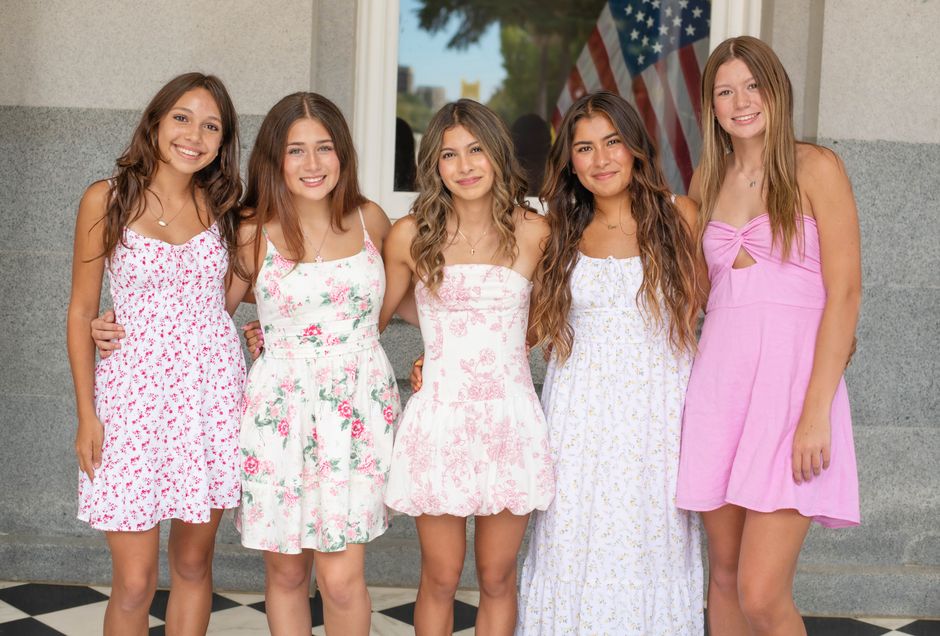
Five outfit formulas that survive the climate and photograph well at warm outdoor destination weddings. These aren’t vague suggestions—they’re what consistently works across venue types:
- Chiffon midi wrap dress in a floral or solid. Eliza J versions in the $88–$110 range adjust to travel bloating and pack without care. Keep the hem between knee and mid-calf to avoid it dragging on sand.
- Off-shoulder maxi in rayon or chiffon. Lulus carries multiple options under $80 that read cocktail-appropriate for beach ceremonies. The open neckline is practical in heat and photographs well against tropical backdrops.
- Linen wide-leg pants with a structured top. More practical than a dress on uneven or sandy terrain. Mango and Zara both make linen sets in the $60–$120 range that read as deliberate rather than casual.
- Jumpsuit in Tencel or crepe. Reformation’s Tencel jumpsuits ($180–$250) pack flat and read formal in outdoor settings. The real drawback: bathroom logistics at a four-hour outdoor event with a jumpsuit are genuinely inconvenient—factor that in.
- Structured floral midi from BHLDN. Anthropologie’s wedding guest collection ($100–$180) reliably hits silhouettes that photograph well outdoors without reading costume-y or overdone.
European City Weddings Demand a Harder Edit
A floaty chiffon maxi that looked perfect for a Tulum beach ceremony reads costume-y at a formal church wedding in Rome. European destination weddings—particularly in Italy, France, and Spain—skew more conservative in dress code and more traditional in execution. Cocktail means an actual structured cocktail-length dress, not an elevated sundress.
The Cobblestone Reality
Rome, Lisbon, and Prague are genuinely hostile to stilettos, long trailing hems, and any shoe with a narrow sole. Stick to block heels under three inches or a refined kitten heel. They’re stable on uneven surfaces, and the right pair doesn’t look orthopedic—they look intentional.
Silhouettes That Read Correctly Here
Structured midi dresses in crepe or satin. A tailored blazer over a silk blouse with wide-leg trousers. Fit-and-flare silhouettes in fabric that holds its shape through a full day of church, photos, and dinner. Ted Baker makes occasion dresses calibrated for exactly this territory—formal enough for a church ceremony, not overdressed at the restaurant dinner after. For Black Tie Optional events at European venues, a formal midi just below the knee in quality crepe reads correctly without committing to a full evening gown.
Three Mistakes That Actually Wreck a Destination Wedding Outfit

Buying for the Photo Instead of the Experience
Pale blush, ivory, and champagne photograph beautifully against tropical water and also sit dangerously close to the bride’s palette in outdoor light. A dress that reads slightly beige in your bedroom can photograph white on a sunny beach. If you’re genuinely unsure about your color choice, message the bride. Some don’t care at all. Most do. Don’t guess and assume.
Skipping the Terrain Research
Look up the actual venue before choosing shoes—not just the aesthetic photos, but the setting. Is the ceremony on beach sand? Is there a gravel path to the chapel? A grass lawn for cocktail hour? This is the one decision you cannot fix mid-event, and it’s the one most guests overlook until they’re sinking into a lawn in stilettos during the first dance.
Packing Anything That Needs Professional Care on Arrival
Heavily beaded gowns, silk gazar, and structured organza require professional steaming. Assuming a destination hotel can deliver that quickly and correctly is a gamble with poor odds. Stick to fabrics that either resist wrinkling naturally or recover in under ten minutes with a $30 travel steamer. That’s a reasonable backup; sending your gown to the hotel laundry the morning of the wedding is not.
Dress Code Questions That Keep Coming Up
Can I wear white to a destination wedding?
No. This includes ivory, champagne, bright blush, and anything that photographs white in outdoor light. If you love a specific white dress and want to wear it, message the bride directly. Some genuinely don’t mind. The majority do. Don’t assume the answer without asking.
What does “resort formal” actually mean?
It sits between cocktail and black tie. For women: a formal midi or maxi dress, a structured wide-leg jumpsuit, or an elevated two-piece. For men: dress trousers with a lightweight blazer. It is not your nicest vacation outfit and it is not a sundress with heels. Treat it as one step below a traditional cocktail dress code.
Is a jumpsuit acceptable for a destination wedding?
At most destination weddings, yes. A wide-leg crepe or satin jumpsuit reads as formally intentional without the logistical challenges of a gown in tropical heat. The exception: conservative religious ceremonies in Europe or the Middle East, where a dress or skirt is the safer and more respectful choice.
Do men need a linen suit for a beach wedding?
It’s the easiest call available. A light grey or tan linen suit from J.Crew’s Ludlow line (separates roughly $180–$220 each) paired with a white shirt and no tie hits correctly for most tropical and beach weddings. Avoid navy blue wool—it absorbs heat aggressively and photographs dark against outdoor settings, which defeats the purpose of dressing up at all.
Destination weddings are replacing traditional local ceremonies at a growing rate as couples prioritize shared experience over headcount. The dress codes will keep shifting as venues and formats evolve—but the fundamentals of dressing for climate and terrain are fixed. Knowing them before you pack is the only preparation that consistently works.