 Michael Chase
The Polène Numéro Un costs $185. The Row Margaux costs $3,900. Both target the same minimalist aesthetic — clean leather, structured shape, understated hardware. That $3,715 gap is where the dupe market lives. And most people are shopping it wrong.
Not because dupes are bad. Because they’re buying dupes in categories where they always fail, and skipping categories where even cheap versions fool everyone.
Which Product Categories Are Worth Duping (And Two That Never Work)
Before you open a single browser tab, understand this: dupe quality varies enormously by category. A $35 pair of sunglasses can look indistinguishable from $400 frames. A $60 pair of dupe shoes almost always reads as $60 shoes. The materials and construction complexity required differ too much for a flat budget approach to work across all categories.
| Category | Dupe Potential | Why It Works (or Fails) | Budget Sweet Spot |
|---|---|---|---|
| Sunglasses | Excellent | Acetate and metal frames replicate cheaply; shape is visible, weight barely noticeable | $15–$65 |
| Structured handbags | Good (with research) | Shape and hardware are the two visible quality signals — get those right and most people can’t tell | $80–$200 |
| Knitwear | Good | Cashmere-look is achievable in acrylic blends; fabric weight matters more than fiber content | $30–$80 |
| Minimalist clothing | Very Good | Silhouette and drape are replicable; branding is invisible on basics anyway | $25–$90 |
| Shoes | Poor | Construction quality shows immediately — cheap soles, misaligned stitching, wrong proportions | Not recommended under $120 |
| Watches | Very Poor | Bracelet weight feels wrong instantly; movement quality is obvious to anyone who handles one | Skip entirely |
Shoes and watches are the two categories where dupes reliably look cheap regardless of what you spend. A $70 pair of loafers will never read as Gucci Princetowns ($700). The mechanical complexity and material density required to replicate the feel of quality is simply out of reach for budget production. Don’t fight that ceiling.
The Four Markers That Separate a Good Dupe from a Cheap Copy
Generic dupe advice says “look for quality.” That’s useless. Here are the specific, visual signals you can actually check before buying — the things that give away a cheap dupe the second someone looks at your bag or frames.
Does the hardware have weight?
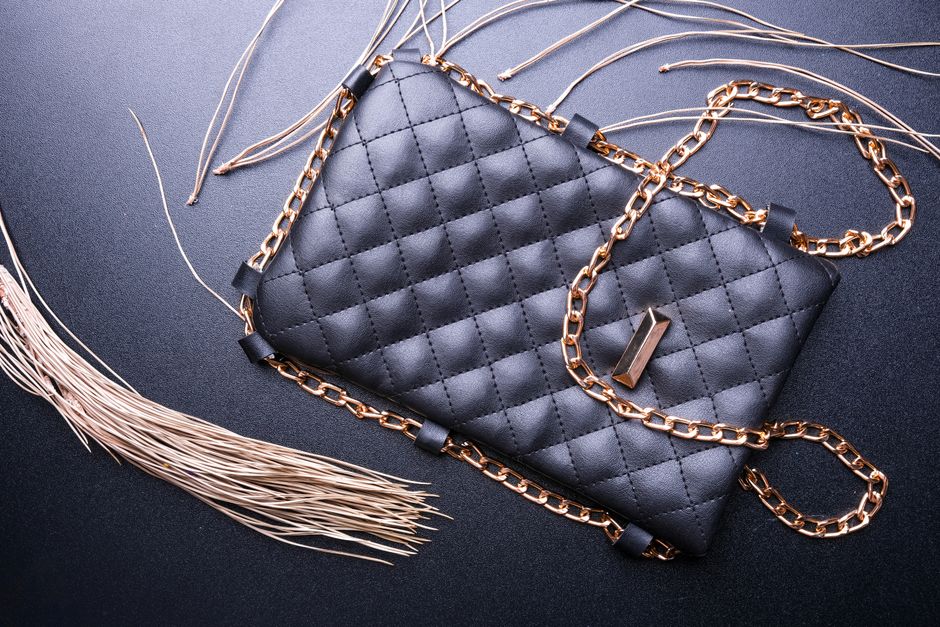
On bags and accessories, lightweight hardware is the fastest tell. Real gold-tone hardware has heft. Cheap zinc alloy looks hollow because it is. When shopping online, zoom into the clasp or chain attachment points in product photos. If reviewer images show a shiny, thin-looking chain or a ring that looks pressed rather than cast, pass. Melie Bianco consistently gets this right on their Bottega Veneta-inspired woven bags ($85–$120) — the rings have actual weight and don’t tarnish after one season.
Does the silhouette match — specifically?
Designers spend serious money engineering proportion. The angle of a collar, the drop of a sleeve, the gusset height of a bag — these are deliberate. A dupe that gets the silhouette 80% right looks 50% as good. Before buying, find a flat-lay or model photo of the original and compare it side-by-side. Zara gets this right more often than most: their structured outerwear regularly matches Toteme and Max Mara coat shapes at a fraction of the price. Their knitwear? Much weaker. Know the difference.
What does the fabric weight actually say?
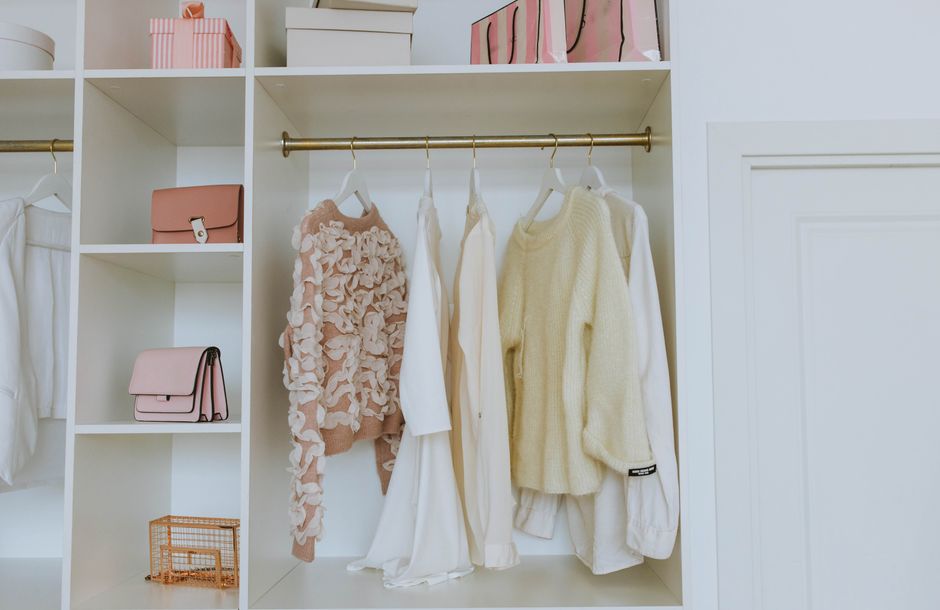
Fabric weight in grams per square meter (GSM) tells you how a garment will drape and photograph. Anything under 100GSM will look limp on camera and in person. A solid knit should sit at 300GSM or above. Most budget brands don’t list this, but any brand confident in their fabric will. If it’s not listed, check reviews for keywords like “thin,” “see-through,” or “lightweight” — those are your warning signs. Princess Polly is one of the few budget brands that consistently lists GSM and actually delivers on it for their linen and slip dress range.
Are the seams finished, or just sewn?
French seams, flat-felled seams, clean overlock finishing — these are invisible quality signals that reviewers notice immediately. In product photos, look for interior shots. If there are none, search recent reviews for “raw seams” or “started fraying.” Those are the exact dupes worth skipping. A well-finished seam adds almost nothing to a garment’s production cost at scale; brands that skip it are cutting corners across the board.
The One Mistake That Makes Every Dupe Look Cheap
Pairing a dupe item with other budget pieces. A convincing Celine-inspired tote reads as high-end next to a clean, well-fitted outfit — and reads as an obvious fake the second it’s next to a visibly cheap belt, scuffed shoes, or a wrinkled blouse. One strong dupe per outfit, maximum. Everything else should be simple, neutral, and well-maintained. The dupe only works when it’s not competing with other things asking to be noticed.
Where to Actually Find High-End Dupes That Clear the Bar
The source matters as much as the item. Some platforms are consistently better for specific categories, and knowing which ones to trust saves you from buying three bad versions before finding one that works.
- Quay Australia — The most reliable sunglasses dupe source at any price. Their cat-eye and square frames mirror Celine, Linda Farrow, and Bottega Veneta shapes for $55–$75. Acetate thickness is correct; hinges don’t wobble after two weeks of wear.
- Zara — Best for runway silhouette dupes within 3–6 months of a collection drop. Structured coats and tailored trousers are where they win. Knitwear and bags are where they don’t.
- Princess Polly — The most consistent source for Reformation-style slip dresses and linen co-ords. Sizing runs small by half a size; fabric weights are honestly listed on most product pages.
- Melie Bianco — Bottega Veneta intrecciato-inspired bags done with real attention to hardware and proportion. The Iris tote ($95) gets the weave pattern and bag proportions correct. The lining is their weakest point.
- ASOS own-brand — Underrated for Jacquemus-style mini structured bags at $25–$45. Caveat: hardware quality is inconsistent across production runs. Read reviews posted in the last 90 days, not the overall star rating.
- COS — Not a dupe brand, but their minimalist coats and knitwear routinely occupy the same aesthetic space as Toteme and Lemaire at 15–20% of the price. Better construction than most brands in this list.
Specific Dupes Worth Buying Right Now

Dupe availability shifts constantly. These pairings are currently available, hold up on close inspection, and represent the best price-to-convincingness ratio across categories:
| Original | Original Price | Dupe Option | Dupe Price | What to Check Before Buying |
|---|---|---|---|---|
| The Row Margaux Bag | $3,900 | Polène Numéro Un | $185 | Leather grain consistency; handle stitching spacing |
| Bottega Veneta Jodie Bag | $2,800 | Melie Bianco Iris Tote | $95 | Weave tightness; ring attachment weight |
| Celine Triomphe Sunglasses | $390 | Quay Australia “High Key” frame | $65 | Lens clarity; hinge tension after 30 days |
| Reformation Slip Dress | $218 | Princess Polly linen slip range | $55–$75 | Fabric weight listing; side seam finishing |
| Toteme Scarf Coat | $1,190 | COS Belted Wool Coat | $195 | Shoulder seam placement; belt width proportions |
| Jacquemus Le Chiquito | $595 | ASOS Design Mini Structured Bag | $28–$40 | Hardware finish; interior lining color |
Notice the price column. Every dupe here sits at 3–20% of the original’s retail. Once you’re spending more than 25% of an original’s price on a dupe, you’re in the range where brands like Cuyana or Senreve make more sense — those are legitimate affordable luxury with actual construction standards and resale value. At that price point, stop looking for dupes and start looking for quality.
Before buying anything on this list: search the exact product name plus “review” on YouTube and watch someone handle it on camera. Photos hide what video reveals in the first five seconds.