 Michael Chase
 Ever felt like you and your partner are simply out of sync when it comes to intimacy? Mismatched desires—whether it’s differing libidos or conflicting emotional needs—affect nearly half of couples, leading to frustration and distance. But here’s the good news: wellness devices offer a fresh, discreet way to bridge that gap without pressure or awkward conversations. In this post, you’ll discover how to use these innovative tools—from vibrators to biofeedback wearables—to balance desires, empower self-exploration, and create harmony in any relationship. Ready to reclaim connection on your terms? Let’s dive in!
The Root Causes of Mismatched Desires
Have you ever wondered why desire sometimes feels out of sync between you and your partner? The truth is, mismatched desires are surprisingly common—and they usually stem from a mix of biological, psychological, and lifestyle factors.
Biological Factors
Hormonal shifts play a huge role here. Whether it’s menopause, pregnancy, or monthly cycle changes, fluctuating hormone levels can seriously impact libido. On top of that, sleep disruptions and various health conditions—think chronic illness or medication side effects—can zap your sexual energy without you even realizing it.
Psychological Factors
Your mind matters just as much as your body. Anxiety, depression, or stress can reduce sexual interest quickly. Body image issues or past trauma might also affect how comfortable you feel with intimacy. Plus, differing love languages can unintentionally create disconnects—a partner craving touch might feel ignored if the other expresses love differently.
Lifestyle Factors
Busy work schedules, parenting duties, and the exhaustion of daily routines often leave little room for desire to grow. Fatigue is a libido killer, and when one partner consistently feels wiped out, mismatched desires naturally follow.
Why Traditional Talks Fall Short
Talking openly about mismatched desires is important but often difficult. Emotional pressure, fear of rejection, or simple misunderstandings can make communication challenging. That’s where wellness devices step in—as tools for self-awareness and understanding your body’s signals, bypassing some of the awkwardness and helping couples reconnect on their own terms.
By using technology thoughtfully, you can move beyond frustration and start addressing desire discrepancies with empathy, insight, and practical support—keeping intimacy alive and balanced for both partners.
How Wellness Devices Bridge the Gap: Core Mechanisms
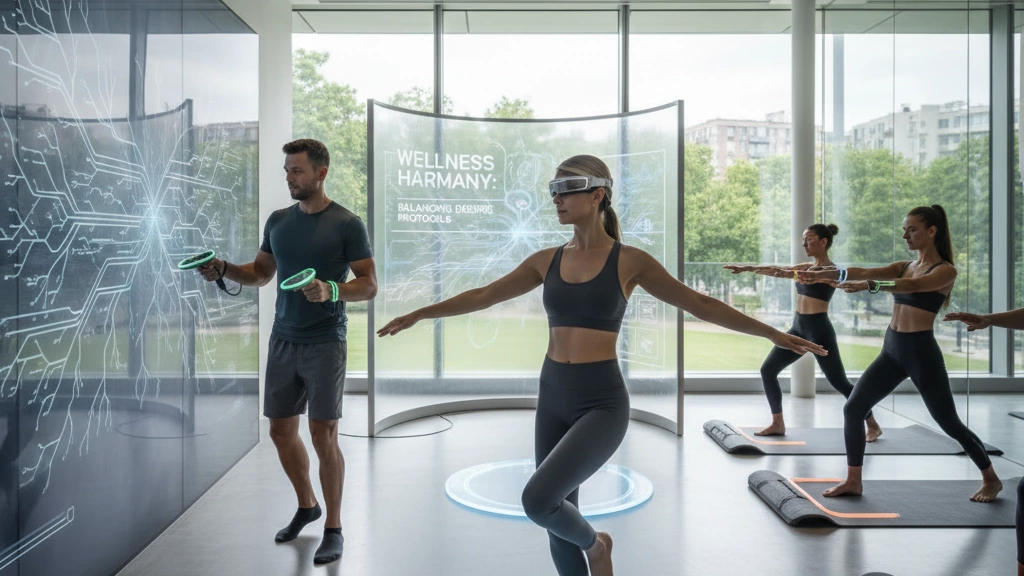
Wellness devices are changing the game when it comes to managing libido mismatch solutions. They offer a fresh way to understand and meet different desires without pressure or awkward talks.
Key Device Categories
| Device Type | What It Does | Example Uses |
|---|---|---|
| Vibrational Devices | Provide stimulation and pleasure | App-connected vibrators for solo or shared use |
| Biofeedback Wearables | Track stress, arousal, hormonal signals | Stress-libido monitoring in real time |
| App-Integrated Tools | Sync sexual wellness data and suggestions | Journaling, cycle syncing, arousal tracking apps |
| Couples-Oriented Toys | Remote control devices for shared pleasure | Bridging physical or schedule gaps |
What Happens Behind the Scenes?
- Endorphin Release: Vibrations and stimulation trigger feel-good hormones, boosting mood and desire naturally.
- Pelvic Floor Strengthening: Training devices improve sensation and response for both partners, balancing physical readiness.
- Arousal Pattern Tracking: Apps help identify when desire peaks, so partners can align timing better.
Benefits for Different Desire Levels
| Low-Desire Partner | High-Desire Partner |
|---|---|
| Solo play builds confidence | Learns patience and timing |
| Gains understanding of own body | Feels connected even when apart |
| Feels empowered, less pressured | Enjoys asynchronous pleasure |
Keys to Success: Consent, Communication, and Gradual Use
- Always agree on how and when to use devices.
- Use device data to share non-verbal insights, reducing pressure.
- Start slow — solo exploration before couple play.
- Keep open talks about feelings and comfort levels throughout.
By blending technology with respect and communication, wellness devices create a balanced, pressure-free path to syncing desire and improving intimacy naturally.
Step-by-Step Guide to Getting Started with Wellness Devices
Getting started with wellness devices to balance mismatched desires is easier than you think. Here’s a simple step-by-step guide to help you both find your rhythm.
| Step | What to Do | Why It Helps | Tools to Use |
|---|---|---|---|
| 1 | Assess Your Own Desires Privately | Understand your baseline feelings without pressure | Journaling apps, desire tracking tools |
| 2 | Choose the Right Device | Pick options that fit your needs and comfort levels | Quiz-style selectors, device finder apps |
| 3 | Try Solo Play First | Build confidence & collect personal data on responses | Vibrators, rings, hormone monitor apps |
| 4 | Share Insights Non-Verbally | Communicate needs without awkward talks | App reports, shared dashboards |
| 5 | Move to Shared Experiences | Slowly introduce couple devices to enjoy together | Couples’ remote toys, synced apps |
Step 1: Assess Your Desires Privately
Start by tracking your mood, stress, and libido on your own. Use simple journaling apps or baseline trackers to note how often and when you feel desire. This helps avoid assumptions and sharpens self-awareness.
Step 2: Choose the Right Device
Next, pick a device that matches your preferences. Many apps offer quizzes or guides to help select between vibrators, rings, or hormone tracking gadgets. The right choice boosts comfort and effectiveness.
Step 3: Incorporate Solo Play
Solo sessions are your chance to explore and build confidence without pressure. Plus, many devices track arousal patterns, giving useful feedback. This step is empowering for the low-desire partner and patience-building for the high-desire partner.
Step 4: Share Insights Non-Verbally
Instead of heavy conversations, use app reports or device data to share what you discover. Non-verbal sharing can ease tension and open communication channels naturally.
Step 5: Transition to Shared Experiences
Once comfortable solo, move toward shared play using couples’ remote toys or synced devices. This gradual approach helps balance mismatched desires while keeping intimacy fun and pressure-free.
Following these clear steps makes wellness devices practical tools for nurturing desire and connection in your relationship.
Top Wellness Devices for Balancing Desires
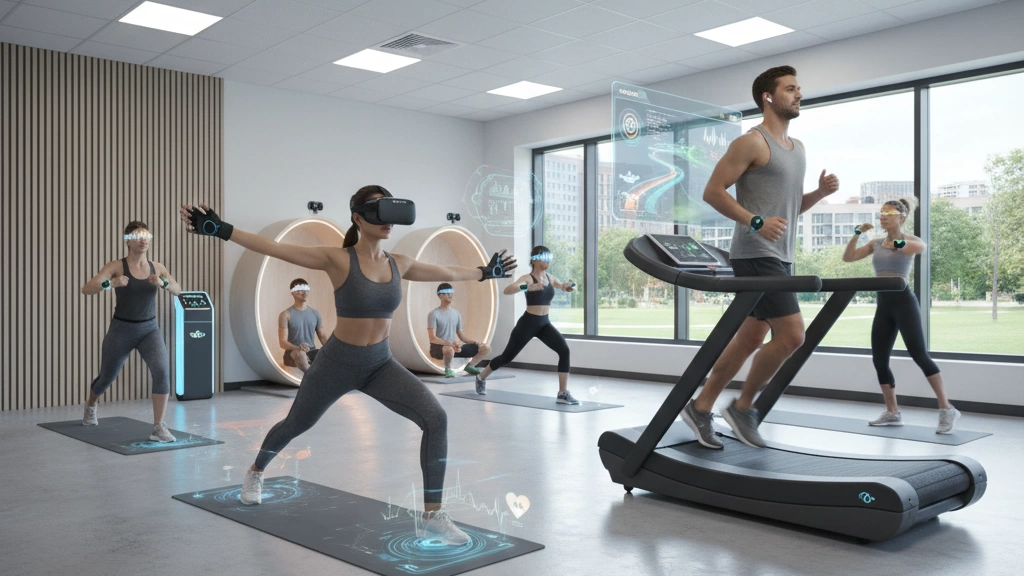
When dealing with libido mismatch solutions, choosing the right wellness devices can make a big difference. Here are some of the top options that help balance desires effectively:
App-Connected Vibrators
These devices allow for asynchronous pleasure, meaning you or your partner can enjoy stimulation even when apart or on different schedules. Many come with cycle syncing features, helping to match stimulation with hormonal shifts for better arousal and comfort. Usage tip: Start solo to learn what works, then explore partner control modes.
Expected outcome: Increased solo empowerment and smoother desire alignment over time.
Couples’ Remote Toys
Perfect for couples facing physical distance or busy schedules, these toys allow partners to control vibrations remotely. They add an element of fun and connection without pressure.
Key feature: Easy app controls with real-time feedback.
Expected outcome: Enhanced intimacy and playful communication that helps ease mismatch tensions.
Biofeedback Wearables
These devices track stress levels and libido signals in real-time, helping you understand how mood and physiological responses affect desire. They’re great for identifying patterns and triggers related to libido mismatch.
Usage tip: Combine data with journaling apps for clearer insights.
Expected outcome: Better self-awareness leading to personalized strategies for desire alignment.
Pelvic Floor Trainers
Stronger pelvic muscles can improve sensation and sexual responsiveness, benefiting both partners. These trainers provide guided exercises with feedback to help equalize pleasure and boost confidence.
Key feature: Interactive app guidance with progress tracking.
Expected outcome: Improved sensation equality and stronger arousal response.
Aromatherapy Diffusers with Pheromone Blends
Subtle mood enhancers like pheromone diffusers support relaxation and sensual mood-setting without being intrusive. They’re a gentle way to align emotional and physical states between partners.
Usage tip: Use during couple rituals or solo sessions for enhanced atmosphere.
Expected outcome: Improved mood alignment and reduced stress-related libido dips.
By integrating one or more of these wellness devices, couples can approach desire discrepancies with more tools and insights, fostering smoother, more satisfying intimacy.
Practical Routines and Protocols for Balanced Desires
Building a habit around wellness devices makes a big difference when dealing with libido mismatch solutions. Here’s a straightforward routine to help you stay on track without feeling overwhelmed:
Daily Micro-Habits
- Spend 5 minutes using your device each day. This can help with hormone regulation and keep arousal patterns consistent.
- Use apps or trackers during these sessions to monitor how your body responds over time.
- Keep the focus on solo play to build confidence and reduce stress.
Weekly Couple Rituals
- Set aside a time each week for synced play using couples intimacy devices—think remote control vibrators or shared biofeedback tools.
- Make these sessions pressure-free. The goal is connection and exploration, not performance.
- Use this time to communicate non-verbally through app insights or just enjoy the moment.
Monthly Reviews
- Take a look at your tracked data together to notice patterns, improvements, or changes in desire.
- Discuss any tech glitches or emotional blocks openly and troubleshoot as a team.
- Adjust your device use based on what’s working—maybe switch settings, try a new device, or change the timing.
Combine with Therapy or Date Nights
- Integrate device use with therapy sessions if you’re working through deeper psychological factors like anxiety or past trauma.
- Plan occasional device-enhanced date nights to keep intimacy exciting and aligned with your lifestyle.
This routine is easy to fit into busy schedules, helping couples maintain balance in desire while using technology as a gentle support rather than a fix-all.
Real User Stories and Evidence-Based Results
Many people dealing with libido mismatch have found real relief using wellness devices. Here are some anonymized examples:
-
Postpartum Mismatch: After having a baby, one couple turned to app-connected vibrators and pelvic floor trainers to gently rebuild intimacy. The low-desire partner felt empowered through solo sessions, while the other learned patience. Over time, they shared insights through biofeedback apps, which helped sync their needs better.
-
Age-Related Drift: Another pair experienced a natural drop in desire due to menopause and stress. They introduced hormone balance gadgets and couples’ remote toys. This combo helped them reconnect physically and emotionally without pressure, making intimacy easier.
-
Solo Self-Reclamation: A user struggling with anxiety and body image found solo vibrators with arousal tracking apps invaluable. These helped increase self-awareness and confidence, which later improved their shared experience.
Scientific studies back these stories too. Research shows that sexual wellness technology, especially biofeedback and arousal tracking apps, can significantly improve communication and satisfaction between partners.
User surveys often report measurable satisfaction boosts, especially when devices are combined with open communication and routine use. This evidence points to tech as a powerful tool for closing desire gaps and creating harmony in relationships.
Overcoming Common Challenges
Using wellness devices to balance mismatched desires isn’t always smooth sailing. Here’s how to tackle some common hurdles:
Privacy concerns and app security
Many worry about the safety of personal data collected by libido tracking apps and connected devices. To stay secure:
- Choose apps and devices with strong encryption and clear privacy policies.
- Regularly update software to patch vulnerabilities.
- Use anonymous accounts where possible and avoid sharing sensitive info outside trusted apps.
Partner reluctance as fun experimentation
Not everyone is immediately comfortable with sexual wellness tech. If your partner is hesitant:
- Frame it as a low-pressure, fun trial rather than a serious fix.
- Start with solo use and share your positive experiences casually.
- Communicate openly but avoid pushing; curiosity grows faster when it feels safe.
Avoiding over-reliance on devices
Devices can enhance connection, but they shouldn’t replace honest, human communication. Keep in mind:
- Use tech as a tool, not a crutch.
- Combine device use with conversations, date nights, and mindfulness practices.
- Watch out for emotional disconnect if technology starts to dominate your intimacy.
When to seek professional help
If desire mismatch keeps causing distress despite using wellness devices, it’s time to get expert support:
- Sexual wellness therapists can address deeper issues like trauma or anxiety.
- Medical professionals can check for hormonal or health conditions affecting libido.
- Combining professional guidance with device use often brings the best results.
Balancing mismatched desires takes patience, openness, and the right mix of tools. Facing these challenges head-on helps keep your intimacy journey steady and fulfilling.
Long-Term Strategies for Sustained Harmony
Staying in sync long-term means more than just using wellness devices—it’s about blending them into a healthy lifestyle. Here’s how to keep desire balanced over time:
-
Combine devices with mindfulness: Use meditation or breathing exercises alongside device sessions to reduce stress, which often dampens libido. Mindfulness keeps you connected to your body and your partner.
-
Add regular exercise and good nutrition: Moving your body and eating well support hormone balance and energy levels, making wellness devices more effective.
-
Adapt as your relationship evolves: Life changes like menopause or new stressors affect desire. Adjust your device routine to fit these shifts—for example, focusing more on pelvic floor trainers or aromatherapy diffusers when hormone levels fluctuate.
-
Lean on community support: Join wellness device forums or attend expert webinars to learn new tips, share experiences, and stay motivated. These communities can offer fresh ideas and emotional support.
With these long-term strategies, wellness devices become part of a broader approach that keeps intimacy alive and desire balanced, no matter what life throws your way.