 Michael Chase
A 1980s label can tell you less about a garment’s quality than its fiber content and inside seams. That is the useful truth. Vintage shopping rewards inspection, not nostalgia. You can find a durable wool coat for less than a poorly made new one, but only if you stop treating every old garment as a treasure.
Start With Fabric, Not the Decade
Check the fiber label first
Natural fibers are the best starting point for budget vintage shopping, but they are not automatic proof of quality. Look for wool, linen, silk, cotton, denim, and sturdy blends. A dense 100% wool jacket usually has more long-term value than a thin polyester jacket from a famous decade. A cotton shirt with a tight weave can also beat a loose, scratchy linen piece.
Do not reject synthetics on sight. Vintage nylon can make an excellent windbreaker, and acetate linings often feel smoother than cheap modern polyester. The issue is thickness, condition, and purpose. A polyester blouse may be a smart $10 buy if the seams are sound and the fabric has no shine from wear. It is a bad buy at $40 if the fibers already look tired.
Use the light and stretch tests
Hold the garment near a bright window. Thin spots, uneven fading, and tiny holes become obvious. Gently stretch a knit and release it. If the fabric stays baggy, the elastic fibers have failed. Rub darker areas under the arms and along the collar. Excessive pilling, a greasy shine, or a sour odor signals hard wear that washing may not fix.
Verdict: choose the best fabric and condition combination, not the oldest date on the tag.
Inspect Construction Before You Fall in Love
Run a two-minute seam check
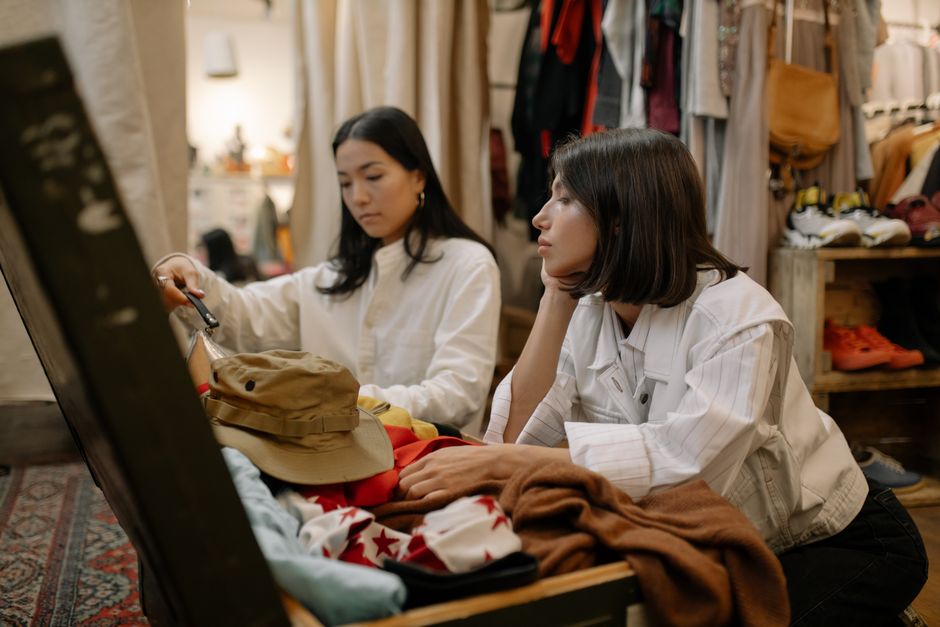
A good vintage find should survive a quick, slightly ruthless inspection. Turn it inside out. Check the shoulder seams, armholes, crotch, pocket corners, zipper base, and hem. These areas carry the most stress. Stitches should sit close together without loose loops. A lining may have small issues, but a split armhole or pulled waistband can turn a cheap purchase into a tailoring bill.
- Pull gently at each side seam. Gaping stitches mean weak construction.
- Open and close every zipper twice. A stuck zipper is not a charming detail.
- Press each button. Missing buttons are easy; stretched buttonholes are not.
- Look for seam allowances. Extra fabric gives a tailor room to adjust the fit.
- Check the hem width. A generous hem can add length later.
Separate easy repairs from expensive ones
A loose button, missing hook, or simple hem often costs little to fix. Replacing a vintage zipper, rebuilding a moth-damaged waistband, or repairing a shattered lining can cost more than the garment. Set a repair ceiling before buying. For a $15 skirt, a $35 alteration is rarely sensible unless the fabric and cut are exceptional.
Verdict: buy visible, cheap repairs; leave structural damage behind.
Fit Is a Budget Decision, Not a Style Detail
Measure the garment flat
The best bargain is the piece that fits with zero major alterations. Vintage sizing is unreliable. A vintage women’s size 12 may fit like a modern 6, while a men’s medium can have a generous chest and narrow shoulders. Ignore the tag. Measure pit to pit, shoulder to shoulder, sleeve length, waist, rise, hip, and inseam. Double flat measurements where needed, then compare them with a garment you already wear.
For jackets and blazers, shoulders are the hardest area to alter. If the shoulder seam sits far beyond your natural shoulder, skip the item. Waist and sleeve adjustments are easier. For trousers, prioritize the hips and rise. A waistband can sometimes be taken in, but a tight hip or short rise usually cannot be rescued without changing the whole shape.
Choose alteration-friendly shapes
Simple skirts, straight-leg trousers, relaxed button-downs, and unlined jackets offer the most room for affordable tailoring. Bias-cut silk, complex pleating, leather, and heavily lined coats are expensive projects. A slightly oversized men’s Ralph Lauren oxford can become a useful relaxed shirt with one sleeve adjustment. A tight vintage silk dress is a poor budget buy, even when the print is perfect.
Verdict: spend your money on proportion, then make small fit corrections.
Compare the Real Cost Before You Buy
Price is only half the bargain. Add repairs, cleaning, shipping, and the cost of replacing missing parts. The table below gives sensible spending ceilings for common vintage finds. These are personal budget limits, not promises that every market will match them.
| Garment | Target buy price | Acceptable repair | Walk away when |
|---|---|---|---|
| Levi’s 501 jeans | $25–$45 | Hem, button, light patch | The crotch or seat is badly worn |
| Pendleton wool shirt | $25–$50 | Loose button, small seam repair | Moths have made several holes |
| Barbour Bedale jacket | $45–$90 | Minor wax refresh, button | The lining is torn throughout |
| Vintage silk blouse | $15–$35 | Hem or hook replacement | The fabric tears under light handling |
| Leather belt | $10–$25 | New hole or buckle | The leather flakes when bent |
For denim, Levi’s 501 is the strongest budget target because replacement parts and tailoring are easy to find. For cold-weather layers, a sound Pendleton wool shirt offers better value than a decorative coat with a damaged lining. A Barbour Bedale only makes financial sense when the waxed cotton still feels flexible and the lining is mostly intact.
Verdict: set an all-in ceiling before you enter the shop. If the total breaks it, leave.
Answer These Questions Before Paying
Is a designer label enough?
No. A designer label can raise the price while hiding weak fabric, sweat damage, or a poor alteration. Check the garment first and the label second. An unbranded wool coat with clean seams beats a famous label with moth holes.
Should you buy vintage clothing that smells?
Only if the odor is clearly from storage and the care label allows cleaning. Smoke, mildew, and strong perfume can cling to fibers. Airing may help wool, but mildew stains often point to deeper damage. Never assume a dry cleaner can reverse it.
When should you skip a bargain?
Skip it when you would not wear it this month, when the fit needs major reconstruction, or when the fabric feels fragile. A $5 garment that sits unworn is more expensive than a $25 piece you wear weekly.
Verdict: if you need several explanations to defend the purchase, it is not a bargain.
Build a Better Vintage Wardrobe With Fewer Risks
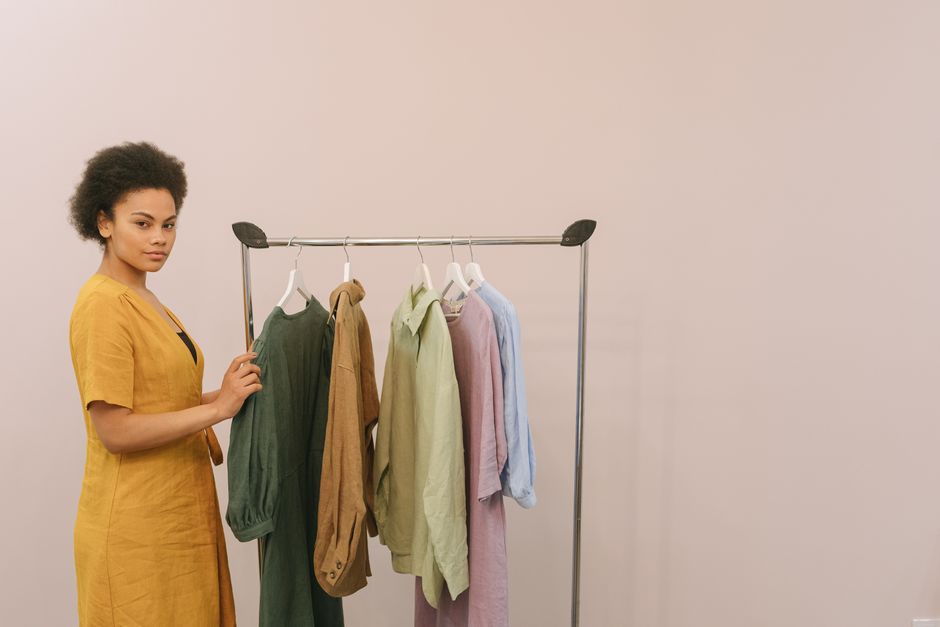
Buy one strong, useful garment instead of three exciting mistakes. Start with the role the piece must fill: a work jacket, everyday jeans, a warm overshirt, or a dress for events. Then choose the fabric, measurements, and repair limit. This order keeps a dramatic print from hijacking your budget.
Use a simple buying rule
Before checkout, answer three questions: Will I wear this at least twice a month? Can I clean and store it properly? Is the total cost below my set ceiling? If one answer is no, put it back. Vintage clothing needs room in your wardrobe and your maintenance budget.
Know when modern is smarter
Buy new when you need dependable waterproofing, fresh elastic, technical stretch, or a guaranteed fit. A modern rain shell is usually a better choice than a vintage jacket with a failing coating. Buy vintage for sturdy denim, wool, leather, cotton shirts, and distinctive cuts that improve with wear.
A $12 jacket is not a victory if it needs a $60 zipper. The opening clue still holds: inspect the inside seam, read the fiber label, and let construction—not the romantic decade on the tag—decide what earns your money.