 Michael Chase
 The goal is not to look impressive. That’s the mistake. Standing in front of a closet an hour before a first date, pulling out the sharpest blazer or digging for the shirt worn to a wedding three years ago — that’s the wrong frame entirely.
The right goal: look like a considered, put-together version of yourself. Someone who noticed where he’s going, gave this genuine thought, and didn’t treat it as an afterthought. That reads better than impressive, and it’s a more achievable target. Here’s what that actually looks like — specific outfits, real brands at real prices, and the concrete mistakes worth avoiding.
Why Dressing to Impress Usually Backfires
When men dress to impress rather than to fit the occasion, the result is almost always the same problem: overdressed, physically stiff, and visibly uncomfortable. A full suit at a coffee date. Shoes that haven’t been broken in. A shirt that’s too formal for the room, so the person is tugging at the collar all evening.
That’s not reading as stylish. It’s reading as someone who is anxious and overcorrecting. Clothing anxiety has a tell, and it’s almost always dressing above the occasion rather than for it.
What Gets Noticed First
Social cognition research identifies three signals people read fastest from clothing: fit (does it sit on the body correctly?), grooming (does this person take care of themselves?), and effort matching (did this person dress appropriately for where they’re going?). Brand, price, and label rank well below these three in terms of first impression impact.
A well-fitted $40 Uniqlo shirt reads better than a brand-name shirt that pulls across the shoulders or bunches at the waist. Fit is the multiplier. The label multiplies almost nothing — at least with someone outside the fashion industry. Knowing this removes a lot of pressure and redirects it somewhere more useful.
The Authenticity Excuse That Doesn’t Work
Some men interpret “just be yourself” as license to make no visible effort. The logic: I usually wear jeans and a t-shirt, so wearing jeans and a t-shirt is authentic. Technically true. Practically wrong.
If your date put thought into what she wore and you clearly didn’t, the asymmetry in effort says something. It reads as either disinterest or carelessness — neither of which is the signal you want to send before you’ve had a real conversation.
Authenticity on a first date isn’t wearing your usual clothes. It’s wearing something that still feels like you, just elevated one level for the occasion. That range is wider than most men assume, and it includes plenty of options that don’t feel formal or performative.
The Comfort Baseline
One rule worth following: don’t wear anything you’re physically uncomfortable in. If you’ve never worn a blazer outside a wedding, a first date is not the night to test one. If your dress shoes have under five hours of actual wear on them, don’t walk two miles in them. Discomfort shows in posture, attention span, and physical ease — all of which come through in conversation whether you intend them to or not.
The practical standard: wear something you’ve worn before, that fits correctly, and that sits one level above your usual daily default. One level is usually enough to signal effort without creating the overdressed problem in the other direction.
Matching the Outfit to the Venue: A Direct Reference
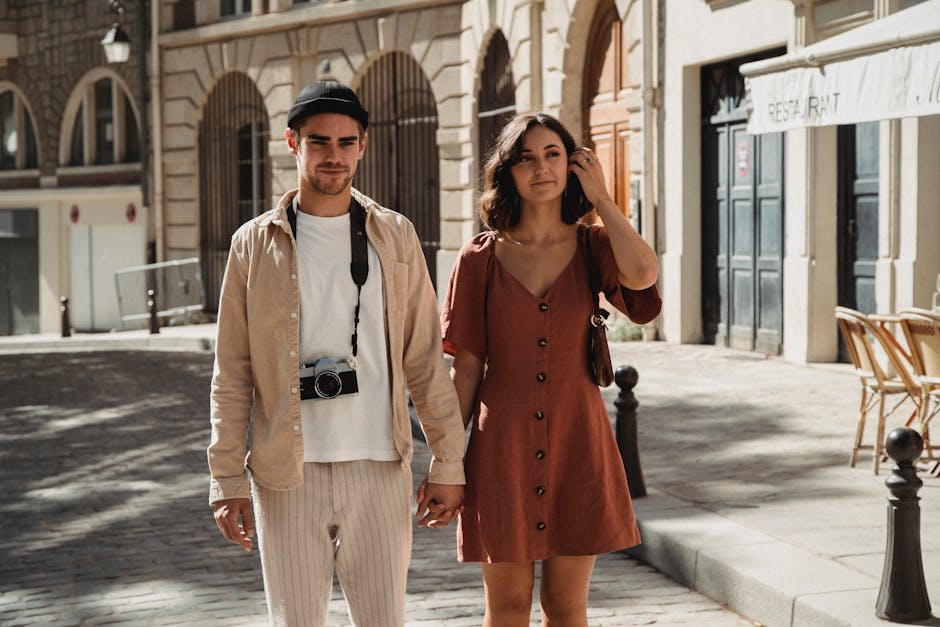
The most consistent source of first date outfit errors is misreading the venue. A cocktail bar and a coffee shop don’t call for the same outfit energy. Getting the level wrong in either direction — too formal or too casual — signals that you either didn’t think carefully about where you were going, or didn’t bother to find out.
| Date Setting | Outfit Level | What Works | What Undermines It |
|---|---|---|---|
| Coffee or daytime casual | Smart casual | Dark slim jeans, OCBD shirt, white leather sneakers (Veja Campo ~$170 or New Balance 574 ~$90) | Full suit, gym shoes, wrinkled fabric, anything that looks overproduced for 2pm |
| Casual dinner | Smart casual | Slim chinos, fitted crewneck or button-down, loafers or clean minimal sneakers | Graphic tees, shorts, open-toe sandals, overtly logo-heavy pieces |
| Cocktail bar or wine bar | Business casual | Tailored trousers, tucked shirt, optional unstructured blazer (Club Monaco ~$250–$300) | Distressed jeans, athletic shoes, anything that reads as weekend casual |
| Nice restaurant | Semi-formal | Dress trousers, fitted dress shirt, blazer, leather Oxford or Chelsea boot | Sneakers even clean ones, casual shirts, anything boxy or untailored |
| Outdoor or activity date | Elevated casual | Slim dark jeans or structured joggers, fitted bomber jacket, Allbirds Wool Runners (~$130) | Clothes that constrain movement, brand-new unworn shoes, anything that looks wrong outdoors |
One rule crosses every row in that table: shoes are noticed first. People read footwear before most other elements of an outfit. Worn-out gym trainers undercut a sharp shirt faster than almost any other single mistake. If the shoe doesn’t match the outfit’s level, the entire outfit drops to match the shoe.
Bottom Line: Look up the venue before you open the closet. Matching the setting is more important than any individual clothing choice.
Five Outfit Formulas With Specific Pieces
These are repeatable combinations with actual brand references and prices — not mood board concepts. Each formula works across a defined range of first date scenarios. You can put any of these together today.
Formula 1: Dark Jeans, OCBD Shirt, White Sneakers
Levi’s 511 slim jeans in dark indigo or black ($70) paired with a white or pale blue Oxford Button-Down shirt. Ralph Lauren’s Oxford Shirt ($100) is the reliable standard here — good collar roll, holds its shape after washing, and comes in every essential color. White leather sneakers complete it: Veja Campo ($170) or Adidas Stan Smith ($110) both hit the right level of polish without performing it. Tuck the shirt. Add a simple watch if you have one. This formula works for coffee, casual dinner, and most daytime settings. It signals effort without signaling effort.
Formula 2: Slim Chinos and a Merino Crewneck
Uniqlo slim-fit chinos in stone, khaki, or navy ($40) with a fitted merino wool crewneck. Uniqlo’s merino range is $30–$50 and genuinely good quality; Banana Republic runs $60–$80 for their cotton-cashmere blend options. Finish with clean suede loafers or a minimal leather sneaker. This works especially well for men who feel stiff and formal in button-down shirts. The knit reads as deliberate and styled without the formality of a collar. Merino also breathes better than most people expect, which matters if you run warm or the restaurant is packed.
Formula 3: Dark Jeans, Fitted Tee, Unstructured Blazer
Slim dark jeans, a plain fitted tee in white or navy (tucked), and an unstructured blazer. The unstructured detail matters here — it reads softer and less corporate than a structured suit jacket, which keeps this from tipping into job-interview territory. Club Monaco and Theory both offer solid unstructured options in the $250–$350 range; ASOS has picks at $60–$90 for testing the formula before committing to the price. Finish with Dr. Martens 2976 Chelsea boots (~$180), which sit at the right intersection of edge and polish without looking costume-y. This works for cocktail bars and mid-range dinner spots.
Formula 4: Tailored Trousers, Dress Shirt, Leather Shoes
The highest-effort combination on this list. Banana Republic slim-fit dress trousers ($100–$120), a fitted white or pale blue dress shirt, leather Oxford shoes. Optional blazer if the venue actually calls for it. This formula is specifically for nice restaurants and venues with a dress code — not gastropubs, casual wine bars, or anything where the outfit will visibly overshoot the room. Overdressing at a casual venue reads as misreading the situation, not as impressive. Use this one only when it genuinely matches where you’re going.
Formula 5: Elevated Casual for Activity or Outdoor Dates
Slim dark denim or structured dark joggers, a fitted bomber or zip jacket, Allbirds Wool Runners ($130) or New Balance 574 ($90). The word “clean” in this formula carries real weight — not just presentable, but visibly maintained. Pilling fabric, obvious wear, or staining on casual clothes reads as unkempt rather than relaxed. The difference between casual-and-intentional and didn’t-try is almost always just the condition of the clothes. This formula works well for walks, markets, outdoor venues, and any date that involves actual movement.
Bottom Line: Formulas 1 and 2 cover roughly 70% of first date scenarios. Start there before considering anything else on the list.
Fit Overrides Every Other Decision
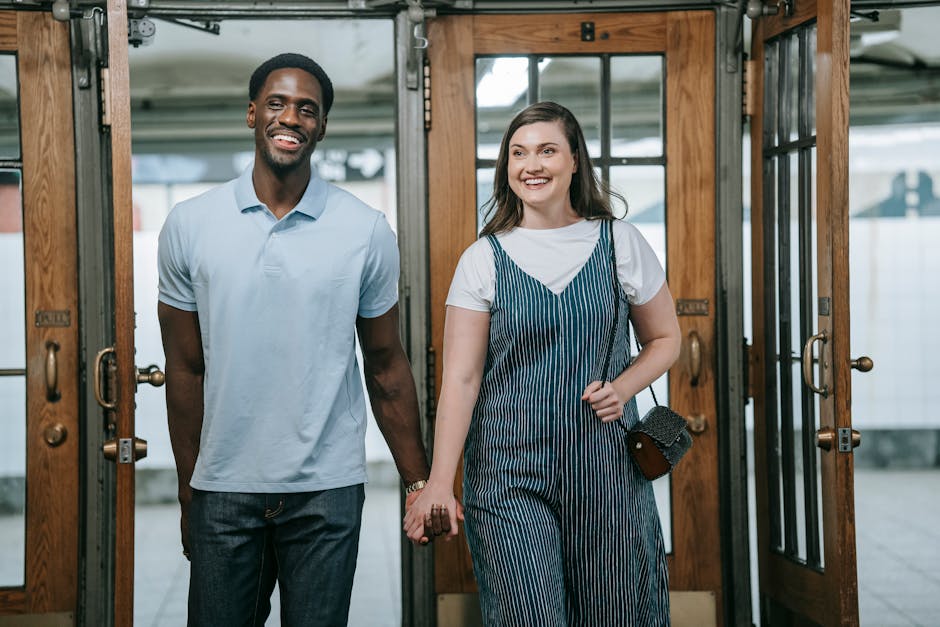
Before leaving the house, check four things: shoulders sitting at the end of the shoulder seam and not drooping, shirt hem not billowing at the waist, trouser length not stacking on the floor, sleeve ending at the wrist bone. If any of these are off, change the outfit or get it altered before this occasion.
A $300 shirt in the wrong size reads worse than a $30 shirt that fits the body correctly. Basic tailoring costs $15–$30 at most tailors and changes everything about how an outfit lands. If you’re buying something specific for a date, factor in an alterations appointment. It’s the single highest-return investment in getting dressed well.
Last-Hour Mistakes That Undo Good Outfit Choices
These are the specific errors that happen after the outfit decision is made — common, avoidable, and worth going through directly.
Should I buy something new to wear?
No. New clothes carry packaging stiffness, unfamiliar fit, and zero break-in time. You won’t know until you’ve sat for two hours that the new shirt gapes at the collar, or that the new trouser waistband doesn’t sit right. New shoes are the highest-risk version of this mistake — if there’s any walking involved, unbroken-in shoes will become the defining physical experience of the evening. Wear clothes you’ve worn before, that fit well, and that you feel at ease in. Comfort translates directly into presence at the table.
Are sneakers appropriate?
Yes, for casual to smart casual settings — with conditions. Clean, minimal leather or quality canvas sneakers work. Chunky trainers, overtly athletic shoes with foam tongues and aggressive colorways, or visibly worn-out pairs undercut the outfit. Common Projects Achilles Low ($450) is the benchmark for what “intentional sneaker” looks like; New Balance 574 ($90) and Adidas Stan Smith ($110) are the practical alternatives at a fraction of the cost. The question isn’t whether they’re sneakers — it’s whether they look chosen or just present.
What about cologne and grooming?
Grooming is foundational, not optional. Clean hair, trimmed nails, no visible lint on dark fabric. These are the conditions under which any outfit actually lands the way it’s supposed to. No blazer compensates for skipping the basics.
Cologne: one to two sprays on the neck or wrist, not on the shirt. The rule is detectable at close range only — not noticeable from across the room, and definitely not noticeable before you arrive. Fragrance is a useful detail at the right volume. At the wrong volume, it becomes the first impression, and everything else you wore stops mattering.
Wear clothes that fit, match where you’re actually going, and that you’ve worn before — that single decision outweighs every other outfit choice you’ll make for a first date.