 Michael Chase
 Section 1: Decoding Your Body’s Operating System
1.1 Hormonal Cycles 101
Understanding your body starts with hormones—those tiny chemical messengers that run the show from your menstrual cycle through perimenopause and menopause. Here’s a quick breakdown:
- Menstrual Phase (Day 1–5): Your uterus sheds its lining; some cramping and mood swings are normal.
- Follicular Phase (Day 1–13): Estrogen rises, energy picks up, you’re primed for productivity and pleasure.
- Ovulation (Day 14): Peak fertility and libido—hello, power surge!
- Luteal Phase (Day 15–28): Progesterone leads, prepping your body for pregnancy or the next cycle; mood swings and bloating can sneak in.
As you approach perimenopause (typically 40s), cycles become irregular—longer, shorter, heavier, or lighter. Menopause (average age ~51) marks the end of cycles and a new hormonal landscape. This timeline can feel like a rollercoaster, but knowing the phases helps you ride it better.
Quick tip: Download our Symptom Tracker Template [PDF] to chart how your body feels through each phase. Tracking is key to spotting patterns and getting ahead of symptoms.
1.2 Pelvic Floor Anatomy & Function
Meet your pelvic floor—your body’s unsung hero. Think of it as a built-in yoga instructor: flexible, strong, and guiding your posture and control. This hammock of muscles supports your bladder, uterus, and bowel, influences sexual pleasure, and aids in childbirth recovery.
Strength = better bladder control and orgasm quality.
Flexibility = ease in movement and less pain during sex or exercise.
Want to get started? Our linked Adult Novelties Kegel training sets make pelvic floor workouts simple, discreet, and effective. They’re designed for all levels and body types—because strong foundations matter.
1.3 Nervous System & Stress Response
Your nervous system reacts to stress with four main modes: fight, flight, fawn, freeze. These are survival instincts—but when activated constantly, they can wreak havoc on your libido and immune system. Here’s what happens:
Fight or Flight: Adrenaline spikes, sex drive drops, and your body focuses on survival, not pleasure.
Fawn: You might suppress your needs to keep peace, pushing pleasure aside.
Freeze: Emotional shutdowns lead to numbness, making it tough to feel desire or connection.
Chronic stress interrupts your hormonal balance and can delay or worsen menstrual symptoms. Recognising these patterns helps you reset and reclaim your pleasure and health.
Reflection:
How aware are you of your hormonal phases and stress patterns? What’s one small thing—like using a symptom tracker or trying a Kegel exercise—you can do this week to reconnect with your body’s signals?
Section 2: Daily Maintenance Protocols
2.1 Sleep Optimization
Good sleep is the foundation of women’s hormonal health. Aligning your sleep schedule with your natural circadian rhythm helps balance hormones and boost immunity. Try these simple circadian rhythm hacks:
- Wake up and go to bed at the same times every day, even on weekends.
- Get morning sunlight within the first hour of waking.
- Limit screen time one hour before bed.
- Keep your bedroom cool, dark, and quiet.
Here’s a quick bedroom environment checklist to improve your sleep quality:
- Blackout curtains or sleep mask
- White noise machine or earplugs
- Comfortable mattress and pillows
- Avoid caffeine after 2 PM
- Use calming scents like lavender
2.2 Nutrition for Hormonal Harmony
Eating to support your hormonal cycles can reduce PMS symptoms, improve mood, and regulate energy. Use macronutrient templates tailored to each phase of your cycle:
| Cycle Phase | Focus | Macro Ratio (Approx.) |
|---|---|---|
| Menstrual | Rest and recovery | Higher protein, moderate fats, lower carbs |
| Follicular | Energy & growth | Balanced carbs, lean protein, healthy fats |
| Ovulatory | Peak energy & libido | Higher carbs, moderate protein, moderate fats |
| Luteal | Calm and satiation | Moderate carbs, higher fats, adequate protein |
Try a 7-day meal prep plan that combines fresh vegetables, whole grains, lean proteins, and good fats like avocado or nuts. This strategy supports your hormonal health and saves time during busy weeks.
2.3 Movement Menus
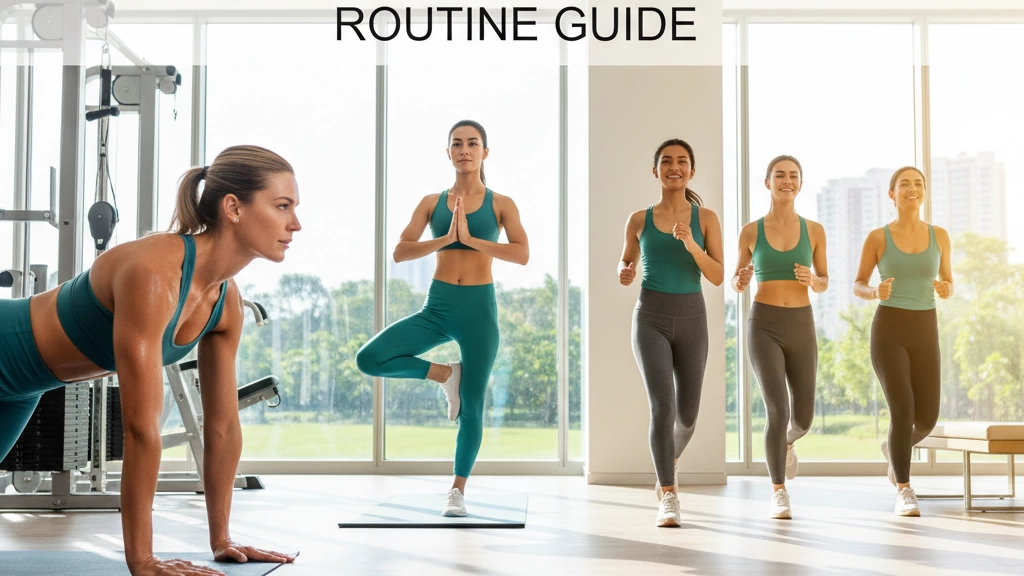
Exercise plays a key role in maintaining hormonal balance and pelvic health. Focus on short, effective routines you can do at home or the office, designed for strength and mobility based on your life stage:
- 20s-30s: Strength-building with bodyweight exercises and mobility flows to build resilience.
- 40s+: Low-impact strength training combined with flexibility and pelvic floor-focused movements.
Here’s a sample 15-minute daily routine that fits anywhere:
- 5 minutes of dynamic warm-up (arm circles, leg swings)
- 7 minutes of strength moves (squats, glute bridges, push-ups)
- 3 minutes of mobility/stretching focusing on hips and lower back
This balanced approach supports your body’s needs and adapts as you age. For beginner pelvic floor exercises, incorporating Kegel training sets can enhance muscle tone and support overall wellness.
By integrating these daily habits into your routine, you make proactive steps toward holistic women’s hormonal health and wellness. For added motivation and resources, check out guidance on living independently and empowered, such as this manifesto for women’s independence and happiness.
Section 3: Sexual Wellness as Core Health
3.1 Libido Lifecycle
Libido changes throughout your life, and that’s totally normal. In your 20s and 30s, you might feel a strong, steady drive. Stress, life changes, and hormones can cause dips here and there. When you hit your 40s and beyond, especially during perimenopause and menopause, libido can shift more noticeably due to hormonal changes.
Evidence-based revival tips:
Prioritise stress management — lower stress boosts natural libido.
Try cycle syncing with your workouts and nutrition to match your hormonal highs and lows.
Consider natural libido boosters like maca root or certain adaptogens (always check with your doctor first).
Open communication with your partner keeps connection strong, which often helps desire.
3.2 Pleasure Anatomy Deep Dive
Knowing your body means understanding all the spots that bring pleasure. This includes the clitoris, G-spot, A-spot, and even cervical stimulation. MRI studies confirm these areas light up with pleasure signals, so exploring them can boost your sexual wellness and satisfaction.
Key points:
The clitoris isn’t just the visible tip — it’s a whole network of sensitive tissue.
The G-spot is inside, a few centimetres in, and stimulation here can feel very different but deeply pleasurable.
The A-spot and cervical area are less talked about, but for some women, these spots enhance orgasm intensity.
Discreet product spotlight:
Adult Novelties offers clitoral suction toys designed to gently mimic oral stimulation. These are perfect for self-exploration or couple play. Tutorials included make it easy to learn new techniques without pressure or awkwardness.
3.3 Lubrication, Orgasm & Pelvic Health
Natural lubrication can vary across your cycle and life stages. Sometimes enhanced lubrication is helpful, especially with pH-balanced personal lubricants that protect your vaginal health. Avoid harsh or drying products.
Lube tips:
- Use water-based or silicone-based pH-balanced lubricants that match your body’s natural balance.
- Avoid scented or warming lubes if you have sensitive skin or infections.
Orgasm perks:
- Orgasm releases endorphins that ease pain, improve sleep, and lift mood.
- Regular orgasms can help pelvic health by strengthening muscles and increasing blood flow.
Keeping sexual wellness at the core of health means understanding your body’s signals and caring for it with respect, curiosity, and the right tools — including discreet adult novelties designed specifically for women’s pleasure and wellbeing.
Section 4: Life-Stage Optimization
4.1 Twenties: Building Resilience
Your twenties are prime time to build a strong foundation for long-term health. Focus on establishing healthy routines that support your hormonal health and pelvic floor strength. Think of this as investing in your future wellbeing.
- Prioritise consistent sleep and balanced nutrition to keep your cycles regular.
- Start gentle pelvic floor exercises—kegel weights can be a great addition for beginners.
- Manage stress with simple techniques like breathing exercises or short movement breaks.
4.2 Thirties: Fertility, Pregnancy, Postpartum Recovery
This decade often brings changes like pregnancy and postpartum recovery, which need special attention. Following core restore protocols helps rebuild pelvic floor strength and supports safe intimacy after birth.
- Use the symptom tracker to monitor shifts in your cycle and emotional health.
- Incorporate gentle pelvic floor rehab exercises designed for postpartum care.
- Explore pH-balanced personal lubricant for comfortable and safe intimacy.
- Remember, patience is key—your body is healing, so listen and adjust as needed.
4.3 Forties & Beyond: Perimenopause Power-Up
As you move into your forties and beyond, perimenopause brings hormonal shifts that affect energy, libido, and mood. Hormone-friendly adult wellness toys can add comfort and fun, especially temperature-play items that soothe and stimulate your senses.
- Consider discreet adult novelties designed for hormonal health support and pleasure.
- Continue pelvic floor care to maintain pelvic health and sexual wellness.
- Use cycle syncing workout plans to match your energy levels.
- Don’t hesitate to explore natural libido boosters and pH-balanced lubricants to keep intimacy enjoyable.
Life-stage optimization means evolving how you care for your body as your needs change. These tailored tips help you stay connected, healthy, and empowered every step of the way.
Section 5: Emotional & Mental Integration
5.1 Body Neutrality vs. Body Positivity
Let’s be honest—feeling good about your body isn’t always easy. Body neutrality focuses on accepting your body as it is, without pressure to love every inch. It’s about respecting what your body does for you, rather than how it looks.
Try this journaling prompt:
- “What are three things my body allows me to do today?”
- “How does my body support my wellbeing, beyond appearance?”
Writing this down regularly helps shift your mindset to healthier self-talk and strengthens emotional wellness.
5.2 Partner Communication Scripts
Talking about your desires or boundaries with a partner doesn’t have to be awkward. Clear and honest communication creates trust and better intimacy.
Here are simple phrases to get started:
- “I really enjoy when you…”
- “Can we try something different, like…?”
- “I feel most comfortable when…”
Practice these in low-pressure moments. Remember, your needs matter—expressing them helps both of you connect deeper.
5.3 Red Flags & When to Seek Professional Care
Knowing when to ask for help is crucial for your health. If you notice any of these signs, book an appointment with your gynecologist or use telehealth resources:
- Sudden or severe pelvic pain
- Unusual bleeding or discharge
- Persistent changes in your menstrual cycle
- Pain during intercourse or urination
- Lingering mood changes linked to hormonal shifts
Gynecologist Visit Checklist: - List your symptoms and concerns
- Note dates and frequency of symptoms
- Prepare questions on treatments or lifestyle changes
Telehealth options make it easier to get professional advice without leaving home, perfect for busy schedules or if you prefer privacy. Don’t wait—early care can make a big difference.
Section 6: 30-Day Body Mastery Challenge
Ready to take control of your health and wellness? The 30-Day Body Mastery Challenge makes it easy with simple daily micro-habits you can fit into any schedule. We’ve included a printable calendar to help you stay on track and build consistent routines.
What you’ll get:
- Daily micro-habits focusing on hormonal health, pelvic floor exercises, stress relief, and self-care
- Easy-to-follow tasks like short movement sessions, sleep tweaks, and nutrition reminders
- A progress tracker so you can see your improvements day by day
- Connection to a vibrant community using the hashtag #AdultNoveltiesBodyManual for support, tips, and motivation
This challenge is designed for women looking to build lasting wellness habits—perfect whether you’re starting fresh or recharging your routine.
Let’s master your body together, one day at a time!