 Michael Chase
What should you wear when you need to look capable before you say a word? Start with a power outfit built around shape, contrast, and purpose. The answer is not a louder color or a designer logo. It is a clean combination that fits your body, suits the room, and stays comfortable through a full day.
What Makes an Outfit Look Powerful at Work?
A power outfit works because it creates visual order. The eye sees a clear shoulder line, a controlled waist or long vertical line, and a deliberate finish at the shoes. That order reads as confidence. It does not require a suit, high heels, or black from head to toe.
Start with silhouette, not color
Shape carries more authority than shade. A jacket should create a defined shoulder without making your upper body look stiff. Trousers should skim the hips and fall in one clean line. If you prefer a dress, choose a straight or softly tailored cut that leaves room to walk and sit. Avoid excess fabric around the waist, bunching at the ankle, and sleeves that swallow your hands. Those details make even expensive clothing look careless.
Use one strong proportion at a time. Pair a longer blazer with slim trousers, or wear a cropped jacket with high-waisted wide-leg pants. Do not combine an oversized blazer, oversized shirt, and oversized trousers unless the outfit has a sharp shoe and a visible waist somewhere. Otherwise, the clothes wear you.
Use contrast with control
Contrast gives an outfit energy, but too many points of contrast make it noisy. The safest formula is dark tailoring with a lighter top, or a pale suit with a dark shoe and belt. Navy, charcoal, cream, chocolate brown, and burgundy all look polished without feeling severe. Keep metal hardware consistent when possible. Gold earrings with a silver buckle and a bright watch can pull attention away from your face.
The best power outfit looks intentional, not intimidating. That means every piece has a job: the jacket frames you, the trousers lengthen the line, the top softens the layers, and the shoes anchor the look.
How to Build a Power Outfit in Five Steps
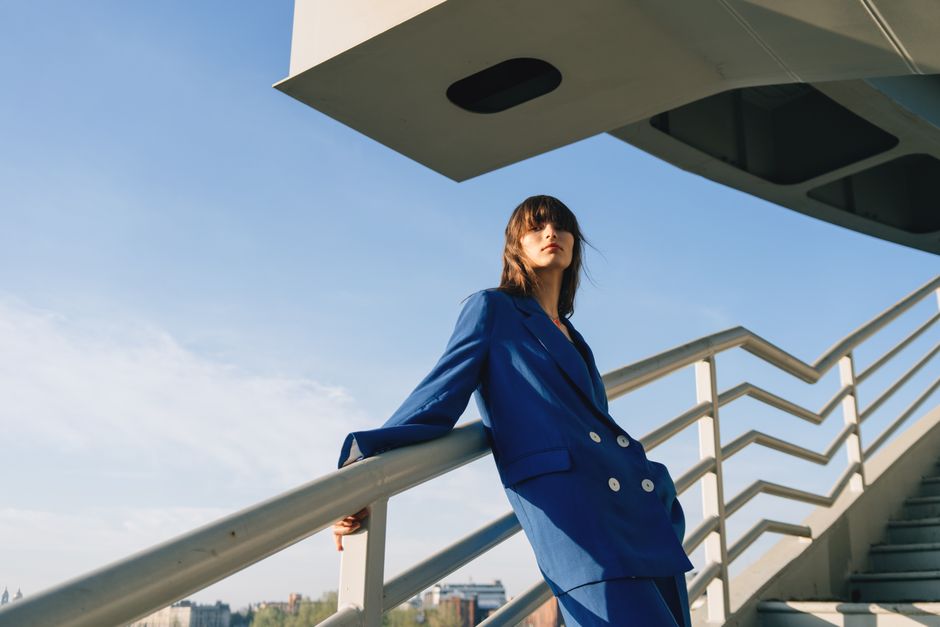
Use this order when getting dressed. It prevents the common mistake of choosing a striking item first and trying to force the rest around it.
- Choose the setting. A board presentation, creative studio, client lunch, and ordinary office day need different levels of structure. Decide the dress code before touching your wardrobe.
- Pick the anchor. Start with one tailored item: a blazer, matching trouser, pencil skirt, or structured dress. Navy is the most useful first color because it works with white, blue, tan, grey, and burgundy.
- Set the proportion. Match the jacket length to the bottom. A hip-length blazer works with straight trousers. A longer blazer works best with a narrow base or a long column of color.
- Add a quiet top. A fine-gauge knit, silk shell, or crisp shirt should sit flat under the jacket. Avoid bulky collars and sleeves that twist under the arm.
- Finish from the floor up. Choose shoes that match the formality and walking demands of the day. Then add one structured bag, simple jewelry, and a belt only if the outfit needs a waist break.
The two-minute proportion check
Stand in front of a mirror and look at the outfit from a distance of six feet. Check the shoulder line first, then the hem, then the space between trouser break and shoe. If one area looks heavy, remove or change one layer. This quick check is more useful than staring at a close-up mirror because workplace outfits are seen at conversational distance.
Keep the color count low
Three visible colors are enough for most professional outfits. Try navy, white, and brown; charcoal, pale blue, and black; or cream, burgundy, and tan. A fourth color can work as a small accent, such as a scarf or earring. More than that often makes the look feel assembled instead of designed.
Three Power Outfit Combinations That Always Work
These combinations cover the most common professional situations. Prices are listed from official brand pages checked for this guide and can change with season, currency, or sale status.
| Work situation | Core combination | Useful detail | Verdict |
|---|---|---|---|
| Formal meeting | Theory Staple Blazer in Good Wool, $345; navy trousers; leather pump | Slim fit, single-button front, stretch wool | Best for a sharp, close-to-the-body line |
| Modern office | COS Double-Breasted Wool Blazer, €175; white knit; black wide-leg trousers | Pure wool, peak lapels, single vent, 72.5 cm back length in EU 36 | Best for strong shoulders without a full suit |
| Presentation day | Reiss Wool-Blend Wide-Leg Suit Trousers, $265; fitted jacket; pointed flat | Available in black and navy; wide-leg tailored shape | Best for comfort during long standing periods |
Why the Theory combination wins formal rooms
The Theory Staple Blazer in Good Wool is the clearest pick when you want a slim, controlled silhouette. Its hint of stretch helps the jacket move, while the single-button closure keeps the front line simple. Wear it with trousers in the same navy family and a pale shell. The result looks more expensive because the color does the matching work.
Why COS and Reiss solve different problems
The COS Double-Breasted Wool Blazer has a stronger shoulder and peak lapel, so it is better for a creative office or a day when you need presence. The Reiss Wool-Blend Wide-Leg Suit Trousers are the better choice when comfort and movement matter more than a narrow line. Neither needs a dramatic blouse. A plain knit keeps the tailoring in charge.
Which Power Outfit Fits Your Office?
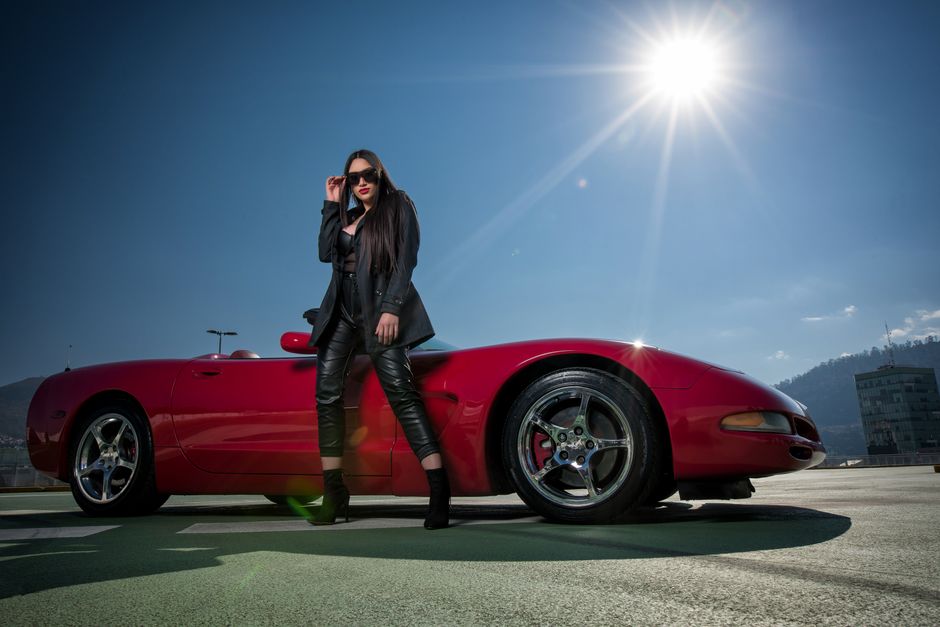
Match the outfit to the room, not to an imagined version of yourself. A powerful look that ignores workplace culture becomes costume. The right level of polish makes people focus on your ideas instead of your clothes.
For conservative offices
Choose a matching suit in navy, charcoal, or medium grey. Keep the jacket fitted but not tight, and wear a closed-toe shoe with a heel between 1 and 2.5 inches. A white or pale blue shirt gives enough contrast without pulling attention upward. Skip visible logos, very bright nail color, and deep necklines. The winner here is restraint: clean tailoring, opaque fabric, and one small piece of jewelry.
For business-casual offices
Separate your tailoring. Wear a navy blazer with grey trousers, or black trousers with a cream knit jacket. Loafers, leather flats, and low block heels all work. You can add a print, but keep it to one item. A striped shirt under a textured blazer is enough; a striped shirt, checked jacket, and patterned shoe is not.
For creative workplaces
Keep the structure and change the texture. Try a charcoal blazer with dark denim, a satin skirt with a fine knit, or a burgundy jacket with wide-leg trousers. The outfit still needs one classic anchor so it does not drift into weekend clothing. G.H.BASS Women’s Whitney Weejuns at $195 add a grounded, flat profile when a heel feels wrong, but their substantial leather shape suits tailored trousers better than delicate skirts.
How Should a Blazer, Trouser, and Shoe Fit?
Fit questions matter more than brand names. Here are the checks that decide if a power outfit looks polished.
Should the blazer close comfortably?
Yes. Button the jacket while standing, then raise both arms and sit down. The button should not pull into an X, the lapel should lie flat, and the back should not drag across your shoulders. You need roughly 1 to 2 inches of ease over a thin top. If the shoulders fit but the waist gaps, a tailor can adjust the center back or side seams. If the shoulder is too wide, buy another size. Shoulder alterations cost more and often change the balance of the jacket.
Where should trousers break?
Straight trousers should touch the top of the shoe with a small break. Wide-leg trousers should fall close to the floor while leaving the toe visible. Aim for about 0.25 to 0.5 inch of clearance above the ground so the hem survives wet sidewalks. The waistband should sit flat without rolling when you bend. If the trousers fit at the waist but pull across the seat, size up and tailor the waist down.
Which shoe shape looks professional?
A pointed or almond toe creates a longer line, while a round toe feels softer and more traditional. For a flat option, the G.H.BASS Women’s Whitney Weejuns Penny Loafer has a 0.5-inch heel, leather upper, leather insole, and resoleable construction. It is the best pick for commuting-heavy days when you still want a serious finish. Avoid shoes that pinch at the toe box; discomfort changes your posture, and posture changes the whole outfit.
Power Outfit Mistakes That Ruin the Effect
Most weak work outfits do not fail because the clothes are cheap. They fail because one small detail breaks the line.
- Buying the blazer too tight. A stretched button and raised lapel make you look uncomfortable. Tailoring cannot fix a jacket that restricts your arms.
- Using thin fabric under bright light. White trousers, pale tops, and lightweight skirts need a lining or a smooth slip. Check the outfit near a window before leaving.
- Letting the hem drag. Long trousers look elegant only when the hem stays clean. Wear the shoes you plan to use for the fitting.
- Adding too many statement pieces. A large necklace, bright shoe, patterned jacket, and oversized bag compete for attention. Pick one focal point.
- Ignoring maintenance. Steam jackets, brush wool, polish leather, and remove loose threads. Wrinkles and scuffs read louder than most accessories.
- Copying a silhouette that fights your movement. If you cannot reach, sit, walk, or carry your bag easily, it is not a power outfit. It is a costume for standing still.
The fix is usually simple: remove one loud element, press the clothing, and correct the fit at the shoulder, waist, or hem. Do that before buying another piece.
What Should You Buy First for a 2026 Power Wardrobe?
Buy one excellent blazer first. It changes more outfits than a special blouse or another pair of shoes. Choose navy or charcoal, a length that works with your existing trousers, and fabric that can handle repeated wear.
Best first purchase for most wardrobes
For a polished, slim wardrobe, the Theory Staple Blazer in Good Wool is the strongest first buy because its single-button shape works with dresses, denim, straight trousers, and matching suiting. For a more dramatic shoulder, choose the COS Double-Breasted Wool Blazer instead. Do not buy both at once. They serve the same main job, and owning two dark blazers before owning a useful trouser or shoe creates a closet full of tops with no complete outfits.
When to choose a cheaper or softer alternative
Skip a wool blazer if your office is hot, your commute is long, or you dislike dry-cleaning. A washable ponte jacket or structured knit cardigan will work better, even though it has less authority. Skip wide-leg trousers if you spend the day climbing stairs or cycling; choose a tapered ankle trouser and a low leather shoe. For easy walking, Everlane’s Leather Day Driver Loafer is listed at $178 and offers a softer alternative to a rigid dress shoe. The final verdict is clear: build around fit, repeatable color, and the way you actually move. That is what makes a power outfit believable.