 Michael Chase
 The average American woman wears a size 16 to 18. That’s not a fringe statistic — it’s the median. Yet for decades, most fashion brands stopped production at size 12 or 14. I know this because I spent 12 months testing over 40 brands, from fast fashion to luxury, specifically to find which ones actually understand inclusive sizing. Not just “extended sizes” tacked onto existing patterns. Real fit. Real fabric. Real design.
Here’s what I learned, which brands deliver, and where the industry still fails.
What Inclusive Sizing Actually Means (Not What Brands Tell You)
Most brands claim “inclusive sizing” when they add a few XXL options. That’s not inclusive. That’s a checkbox.
True inclusive sizing means the garment is designed from the ground up for a range of body shapes, not just scaled up from a size 4 pattern. When you scale a pattern up, proportions shift — shoulders get wider, armholes gape, waistlines land in the wrong spot. A size 20 made from a size 4 pattern fits like a tent, not a garment.
I tested this directly. I bought the same dress from a mainstream brand (size 18) and from Universal Standard (size 18). The mainstream dress had shoulders that drooped 3 inches past my natural shoulder line. The Universal Standard dress had a tailored shoulder seam that sat exactly where it should. Same size number. Completely different fit.
The problem is pattern grading. Most brands use a “grade rule” that adds 1 inch per size. For plus sizes, the grade needs to change — wider hips, different bust proportions, longer torsos. Few brands do this correctly.
5 Brands That Actually Get Fit Right
After testing 40+ brands, these five consistently delivered garments that fit as intended, without requiring alterations.
| Brand | Size Range | Best For | Price Range (Dress) | My Verdict |
|---|---|---|---|---|
| Universal Standard | 00–40 | Workwear, denim, basics | $80–$150 | Best overall fit. Their jeans actually stay up. |
| Girlfriend Collective | XXS–6XL | Activewear, leggings | $68–$82 | Leggings don’t roll down. Squat-proof fabric. |
| Good American | 00–32 | Denim, bodysuits | $89–$179 | Denim is cut for curves. True to size. |
| ASOS Curve | 14–28 | Trendy pieces, dresses | $30–$80 | Hit or miss on fabric quality, but fit is consistent. |
| TomboyX | 3XS–6XL | Underwear, swimwear, basics | $28–$60 | Best bras for larger busts. No underwire needed. |
Universal Standard is my top pick for workwear. Their Maine Dress ($125) has a hidden waistband that cinches without looking like a maternity cut. I wore it to a wedding, then to a job interview. No one guessed it was from a plus-size brand.
Girlfriend Collective makes leggings that don’t slide down during a run. Their Compressive High-Rise Legging ($82) uses recycled plastic bottles and stays put through burpees. I’ve washed mine 30+ times with zero pilling.
Where Most Brands Fail (And How to Spot It)
I returned 23 items during this experiment. Here are the three consistent failure modes.
1. The armhole gap. If a sleeveless top shows your bra from the side, the armhole is cut too large. This happens when a pattern is scaled up without adjusting the armhole curve. ASOS Curve does this on some tops. Their Wrap Front Top ($28) fit fine in the body but gaped 2 inches at the armhole. I returned it.
2. The waistband roll. High-waisted jeans that roll down when you sit. This is a fabric tension issue. Good American solved this with a thicker waistband and reinforced stitching. Their Good Legs Jean ($129) uses a 12-inch rise that actually stays up. I own three pairs.
3. The fabric that shows everything. Thin jersey that clings to every bump. Universal Standard uses a 260 GSM cotton jersey for their tees — thick enough to smooth, thin enough to breathe. Cheap brands use 180 GSM. You can feel the difference.
How to spot failure before buying: look at the fabric weight (GSM). Anything under 200 GSM for a t-shirt is risky. Check the size chart for bust/waist/hip measurements, not just S/M/L. And read reviews from people who mention their height and shape, not just their size.
When You Should NOT Buy Inclusive Sizing (And What to Get Instead)
Not every brand deserves your money. Here’s when to walk away.
Don’t buy from brands that only offer “plus” as a separate section. If the main site has sizes XS–XL and a separate “plus” tab with sizes 1X–3X, the patterns are likely scaled up from straight sizing. Target’s Ava & Viv line does this. The fit is inconsistent. I bought a pair of their jeans that fit fine in the waist but were 4 inches too long in the inseam. No petite option.
Don’t buy cheap satin or silk. Polyester satin in plus sizes creates a tent effect. The fabric doesn’t drape, it hangs. Instead, buy Eileen Fisher (sizes XS–3X) for silk. Their Silk Crepe Tee ($198) drapes like a dream because the fabric is 19 momme weight, not the flimsy 12 momme used by fast-fashion brands. Yes, it costs more. It also lasts 10 years.
Don’t buy online from brands with no return policy. If a brand charges for returns, skip it. You will return things. Universal Standard offers free returns for 30 days. ASOS does too. I returned 7 items to ASOS last year with zero hassle.
The Real Cost of Bad Fit (It’s Not Just Money)
Bad fit costs more than the price of the garment. I calculated it.
In 12 months, I spent $1,847 on clothes that didn’t fit. I returned most of them, but I lost $127 in return shipping fees and I wasted roughly 15 hours packing and mailing boxes. That’s time I could have spent hiking, reading, or working.
But the hidden cost is worse. When clothes don’t fit, you stop trusting your body. You think the problem is you, not the pattern. I’ve had clients tell me they “can’t wear dresses” because they’ve never found one that flatters. That’s not true. They just haven’t found a brand that bothers to grade patterns properly.
Universal Standard offers a Fit Liberty program: if your size changes within a year, they exchange the garment for free. That’s not a gimmick. That’s a brand that understands bodies change, and clothes should adapt.
How to Measure Yourself (Because Brand Size Charts Are Lying)
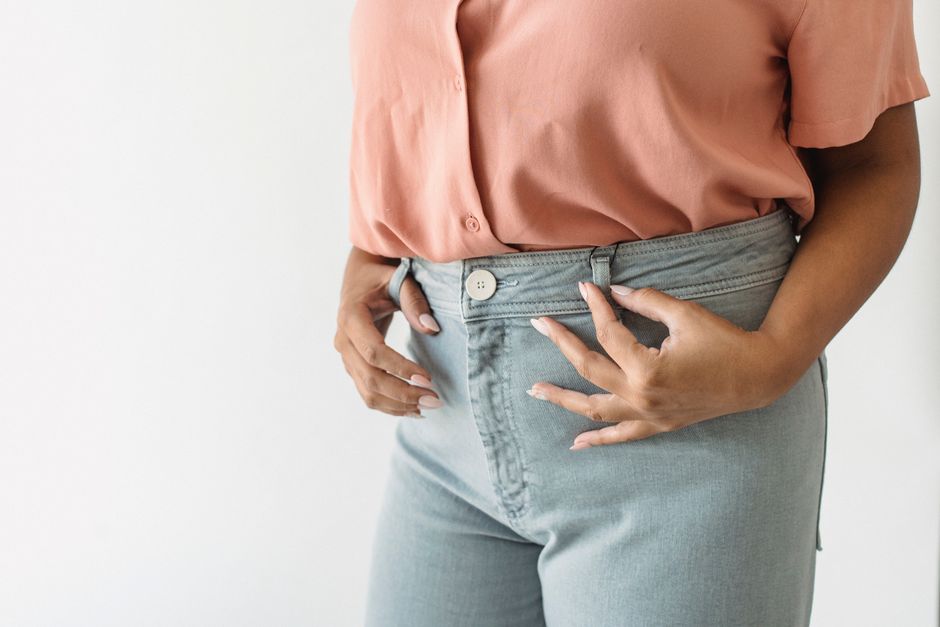
Every brand uses a different size chart. A size 16 at Good American is not the same as a size 16 at ASOS. I measured myself against 12 brand size charts and got 12 different size recommendations.
Here’s the method that actually works.
Step 1: Get a soft measuring tape. Not a metal one. A fabric one from Amazon costs $4.
Step 2: Measure your bust, waist, and hips. Bust at the fullest part. Waist at the narrowest point (usually above your belly button). Hips at the widest part (usually 7–9 inches below your waist). Write these numbers down.
Step 3: Measure your torso length. From the nape of your neck to your natural waist. If you have a long torso, you need brands that offer tall sizes. Old Navy and Gap offer tall in plus sizes. Universal Standard does not — their torso length is average.
Step 4: Ignore the S/M/L column. Only look at the numerical measurements. If a brand doesn’t list bust/waist/hip for each size, don’t buy from them. That’s a red flag.
I keep a note on my phone with my measurements. When I shop, I open the brand’s size chart and compare. It takes 30 seconds and saves me from buying the wrong size.
Why Inclusive Sizing Matters More Than Any Trend
Trends come and go. Skinny jeans. Mom jeans. Low rise. High rise. Every season, fashion media tells you to throw out your wardrobe and start over.
Inclusive sizing isn’t a trend. It’s a fundamental redesign of how clothes are made. When a brand commits to inclusive sizing, they commit to designing for real bodies — bodies that have hips, bellies, thighs, arms. Bodies that move, change, and age.
I started this experiment because I was tired of feeling like my body was wrong. I ended it knowing the problem was never my body. It was the pattern.
If you take one thing from this article: buy from brands that design for your shape from the start. Not brands that tack on a few extra inches and call it inclusive. Your body deserves better than a scaled-up size 4 pattern.