

 Michael Chase
 Stop wasting money on footwear that doesn’t deliver. If you live in the UK, your shoe wardrobe needs to handle everything from unpredictable weather to spontaneous city breaks. You need shoes that work hard and look good. Here are the absolute essentials you need, no fuss, no compromises.
The Everyday Trainer: Your Non-Negotiable Commuter Shoe
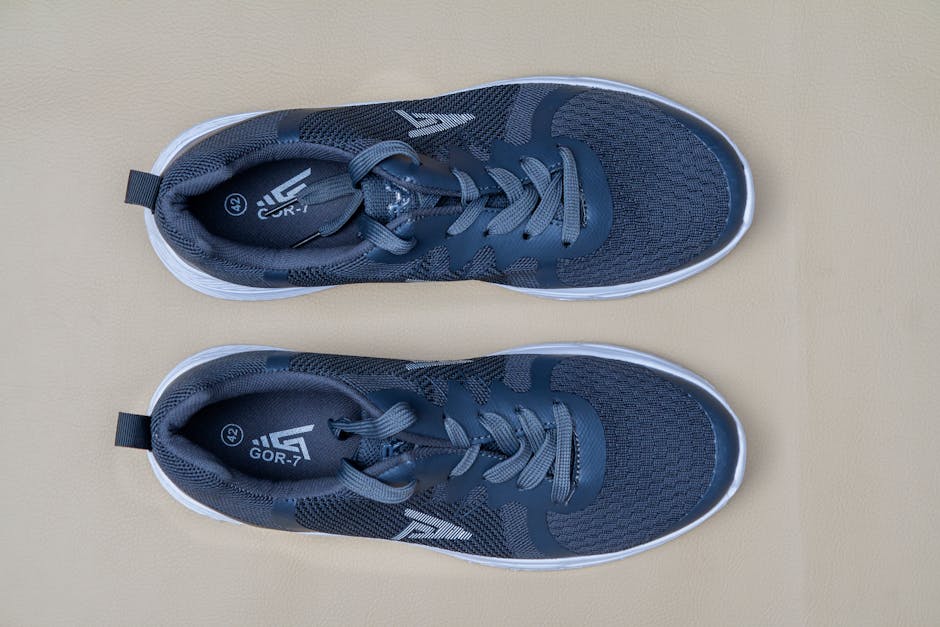
Forget the idea that trainers are just for the gym. That’s outdated thinking. For any UK woman, a good quality, versatile trainer is the single most important shoe in her arsenal. Period. You need something comfortable enough for a dash to the tube, stylish enough for brunch, and durable enough for daily wear.
You’ll walk more than you think. Public transport, errands, just generally getting around. Your feet will thank you for investing in proper support and cushioning. Don’t skimp here; cheap trainers fall apart and offer zero real benefit. They’re a false economy.
Why You Need a Versatile White Trainer
A clean white or off-white trainer pairs with everything. Jeans, dresses, tailored trousers – it just works. It instantly elevates a casual look and softens a more formal one. This isn’t about gym trainers; it’s about fashion-forward, comfortable footwear.
Brands like Veja (specifically the Campo or Esplar models, often around £120-£150) have nailed this look with their sustainable credentials and clean aesthetic. Adidas Stan Smiths (typically £80-£100) are a classic for a reason: they’re comfortable, enduring, and always in style. Nike Air Force 1s (around £100-£120) offer a slightly chunkier profile but remain incredibly versatile.
Top Picks for Durability and Style
Don’t just grab any trainer. Look for quality leather or robust vegan alternatives. The sole needs to offer grip, especially on damp UK pavements. Check the stitching. A good trainer holds its shape. You’re buying a workhorse, not a one-season wonder.
Consider what you’ll wear most often. If it’s jeans and a trench coat, a minimalist trainer is perfect. If you lean more towards athleisure, a slightly sportier but still sleek option like a New Balance 327 (around £90-£110) could be your winner. The key is comfort and pairing potential across your existing wardrobe.
Smart Casual Loafers: The Instant Outfit Upgrade
If you’re still relying on ballet flats for every smart-casual occasion, you’re missing a trick. Loafers are the grown-up, more substantial alternative. They offer structure, polish, and genuinely comfortable wear. They bridge the gap between trainers and heels effortlessly. This is your go-to for office days, smart lunches, or any time you need to look put-together without feeling overdressed.
A well-made leather loafer will last years. They mould to your feet, getting more comfortable with age. Don’t fall for synthetic versions; they crease poorly and lack breathability. Invest in real leather or high-quality vegan leather. Penny loafers and horsebit loafers are the classic styles for a reason – they’re timeless.
The Leather Loafer Advantage
Real leather loafers breathe. They adapt to your foot’s shape, offering custom comfort over time. They hold their structured look better than any other material. You can polish them, repair them, and keep them looking sharp for decades. This isn’t just about fashion; it’s about practicality and longevity.
Think about the classic British weather. Leather offers better protection than fabric flats. It’s more resilient to the odd shower and cleans up far easier. A solid sole provides better insulation from cold pavements too. This shoe is built for the UK climate.
Brands That Deliver on Quality
For classic, durable loafers, look at G.H. Bass Weejuns (typically £140-£170). They set the standard. Russell & Bromley offers superb quality, though at a higher price point (often £200+). For a more accessible but still solid option, Loake (around £180-£250) has excellent women’s collections, offering that traditional craftsmanship. Even Marks & Spencer (M&S) often has surprisingly good leather loafers in the £50-£80 range during specific seasons – worth checking for value.
When choosing, ensure they fit snugly but aren’t tight. Leather stretches. If they feel slightly stiff, that’s normal; they’ll soften. Look for a robust sole and good internal cushioning. This shoe needs to be comfortable for prolonged wear.
Boot Essentials: Navigating UK Weather Like a Pro
-
Ankle Boots: The Daily Workhorse
You need a pair of solid ankle boots. Black leather is the default for a reason: it goes with everything. Chelsea boots are a prime example. They’re easy to pull on, comfortable, and add an edge to any outfit. Wear them with jeans, skirts, dresses. They’re your year-round friend when the weather isn’t cooperating. Brands like Clarks (often £80-£120) offer reliable comfort and durability, while Dr. Martens (from £160) provide a more rugged, iconic look that lasts forever.
-
Knee-High Boots: Winter’s Best Friend
When the temperatures drop, knee-high boots are essential. They add warmth and sophistication. A good quality, plain leather or suede pair in black or brown transforms an outfit. Wear them over skinny jeans or with midi skirts. Russell & Bromley (often £300+) are the gold standard here for quality and fit, but even high street brands like Dune or John Lewis often have solid options around the £150-£250 mark.
-
When Wellies Are Non-Negotiable
Let’s be real: you live in the UK. Rain happens. Often. For muddy dog walks, festivals, or just navigating genuinely wet days, a proper pair of wellington boots is non-negotiable. Don’t bother with cheap, flimsy plastic. Hunter boots (starting around £120) are the classic for a reason – they’re durable, comfortable, and actually keep your feet dry. There are other good brands, but Hunter set the bar. Get them. Your feet will thank you.
Footwear Care: Extending Your Investment

Buying good shoes is only half the battle. If you don’t look after them, they won’t last. This isn’t optional; it’s basic maintenance. You wouldn’t neglect your car, so don’t neglect your footwear.
Proper care significantly extends the life of your shoes, meaning you save money in the long run. It also keeps them looking good, preventing that worn-out, scruffy appearance.
Cleaning Your Trainers Properly
- Wipe down regularly: Use a damp cloth to clean off dirt after each wear. For white trainers, a magic eraser works wonders on scuffs.
- Deep clean periodically: For canvas, use warm soapy water and a brush. For leather, use a dedicated leather cleaner. Remove laces and wash separately.
- Air dry: Never put trainers in a dryer. Let them air dry naturally, ideally stuffed with newspaper to maintain shape.
Protecting Leather and Suede
- Waterproofing spray: Apply a good quality waterproofing spray to all new leather and suede shoes. Reapply every few months, especially during wet seasons.
- Leather conditioner: Leather dries out. Use a leather conditioner or cream every few weeks to keep it supple and prevent cracking.
- Suede brush: Suede needs a dedicated brush to remove dirt and restore the nap. Never use water directly on suede unless it’s a specific suede cleaner.
The Importance of Rotation
Don’t wear the same pair of shoes every single day. Your shoes need time to air out and dry completely, especially leather. Moisture breaks down materials faster. Having a few pairs to rotate means each pair lasts longer and smells better. It’s a simple, effective habit that pays off.
The Perfect Flat: Ballet vs. Mary Jane
Flats are essential for days when trainers feel too casual but you don’t want a loafer. The debate often comes down to ballet flats versus Mary Janes. Both have their place, but one might suit your style or needs better.
| Feature | Ballet Flats | Mary Janes |
|---|---|---|
| Style Aesthetic | Minimalist, elegant, classic, understated | Playful, retro, preppy, more structured |
| Versatility | Very high, pairs with almost anything | High, but the strap adds a distinct character |
| Comfort Level | Can be very comfortable if well-made; often lacks support | Often more secure due to strap; can have better support |
| Durability (typical) | Varies; thin soles can wear fast | Often more robust construction, especially with a block heel |
| Best For | Effortless chic, desk-to-dinner, travel | Adding a unique touch, vintage-inspired looks, all-day wear |
Ballet flats, when they’re good quality (think French Sole at around £150+), are incredibly versatile. They fold up, they’re lightweight, and they instantly add a touch of refinement. But many cheaper versions lack support and fall apart quickly. Mary Janes, especially with a slight heel or thicker sole, offer more stability and a distinct, charming look. They’re having a big moment right now, with brands like Boden or even high street options at M&S (around £40-£80) offering great takes. Choose based on whether you want pure minimalism or a more structured, playful feel.
Heels: When and How to Wear Them
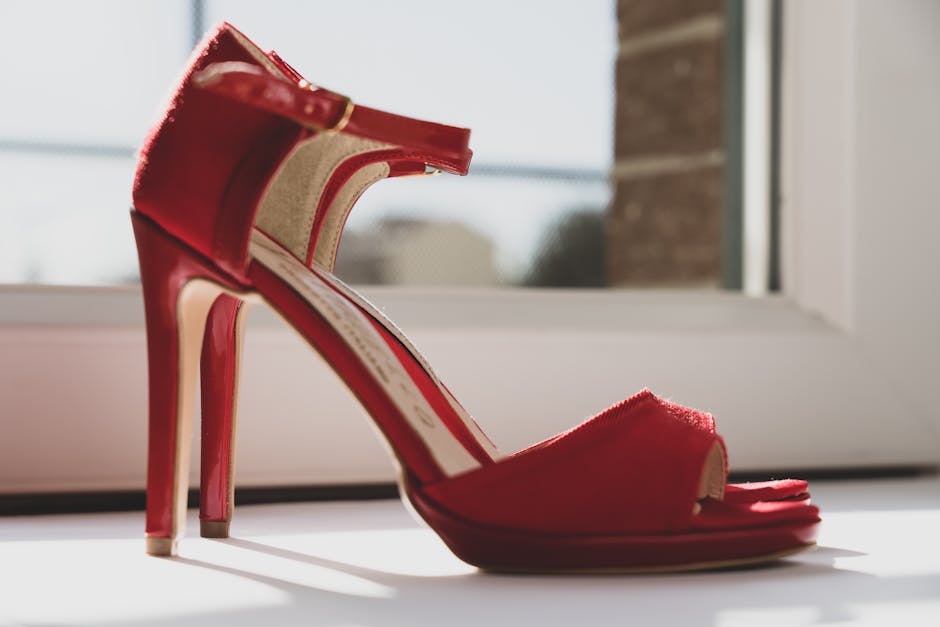
Let’s be direct. You don’t need a closet full of heels. Most women in the UK, especially in urban areas, will barely wear them. They’re for specific occasions, not daily life. A single, well-chosen pair of comfortable, versatile heels is all you need. Anything more is a waste of money and space.
The One Heel You Actually Need
A classic black pump with a mid-height block heel (2-3 inches). That’s it. Block heels are infinitely more stable and comfortable than stilettos. Black is timeless and goes with everything. A mid-height means you can actually walk in them for an evening without wanting to cry. Look for brands like L.K. Bennett (often £180-£250) or Kurt Geiger (around £150-£200) for quality and comfort. Skip the flimsy, sky-high options. They’re impractical.
Sandal Smart Choices: Beyond the Beach
UK summers are hit-or-miss, but when the sun shines, you need sandals. The trick is choosing options that work for city life, not just poolside. Flip-flops are for the beach or your garden, full stop. Don’t wear them around town. You need sandals that offer support and look decent.
What makes a good city sandal?
A good city sandal needs a sturdy sole, decent arch support, and straps that won’t rub. Think walkable. Brands like Birkenstock (from £70 for Arizona/Boston styles) are classics for a reason – they’re incredibly comfortable and durable. Teva (around £50-£80) also make excellent walking sandals, perfect for active days. They may not be “glamorous” but they are practical and stylish in their own right. Look for leather or high-quality synthetics.
Are slides ever appropriate?
Yes, but with caveats. Slides are great for quick trips out, casual strolls in a park, or wearing around the house. They’re not for long walks, formal settings, or navigating crowded streets where you need secure footwear. Think of them as elevated flip-flops. Salt-Water Sandals (around £60-£70) are a good, durable option that bridges the gap between a casual slide and a more structured sandal, holding your foot in place better.
Can you wear sandals in autumn?
No. Once the leaves start turning and the temperature consistently drops below 15°C, put your sandals away. There’s no stylish way to wear sandals with socks, and cold feet are just miserable. Switch to your trainers, loafers, or ankle boots. It’s a seasonal choice; respect it.
You don’t need endless shoes. You need the right ones. Focus on these core styles, buy quality, and look after them. Your feet, your wardrobe, and your wallet will all thank you for it.


