
 Michael Chase
 What Is Massage Oil?
Massage oil is primarily designed for relaxation, muscle relief, and skin nourishment during non-sexual massages or sensual foreplay. Its main job is to create a soothing experience that melts tension and pampers your skin.
Most massage oils are made from natural oils like jojoba, almond, or coconut, often blended with essential oils and vitamins to provide extra skin benefits and an inviting aroma. This combination not only hydrates but also leaves your skin feeling soft and nourished.
Here’s why massage oil stands out:
- Hydrating: It deeply moisturizes the skin, perfect for longer massage sessions.
- Aromatic: Essential oils add calming or invigorating scents.
- Long-lasting glide: Keeps hands smoothly moving without constant reapplication.
But it’s not all perfect. Massage oil is not condom-safe, which makes it a no-go for certain intimate moments. It can also stain fabrics and tends to be absorbed more slowly, sometimes leaving a greasy residue.
In short, massage oil is your go-to for calming, skin-loving touch — just remember it’s not a lubricant substitute for safe sex.
What Is Personal Lubricant?
Personal lubricant’s main job is to reduce friction during sex, making things more comfortable and enjoyable. They help prevent irritation and dryness, so the experience feels smooth and natural.
There are several types:
- Water-based: The most common, safe with condoms and toys, easy to wash off.
- Silicone-based: Lasts longer, great for water play, but can stick to silicone toys.
- Oil-based: Less common, risks damaging latex condoms, more slippery but harder to clean.
- Hybrid: A mix of water and silicone, balancing glide and easy cleanup.
Typical ingredients include water, glycerin for smoothness, silicones for slipperiness, and sometimes natural extracts for a gentle feel.
Pros of personal lubricants:
- Generally safe with condoms and sex toys, especially water-based ones.
- Clean up easily without staining.
Cons:
- Can dry out quicker, meaning you might have to reapply during use.
- Some types don’t mix well with specific toys or condoms.
Using the right kind of lube makes a big difference in comfort and safety.
Head-to-Head Comparison: Massage Oil vs Lubricant
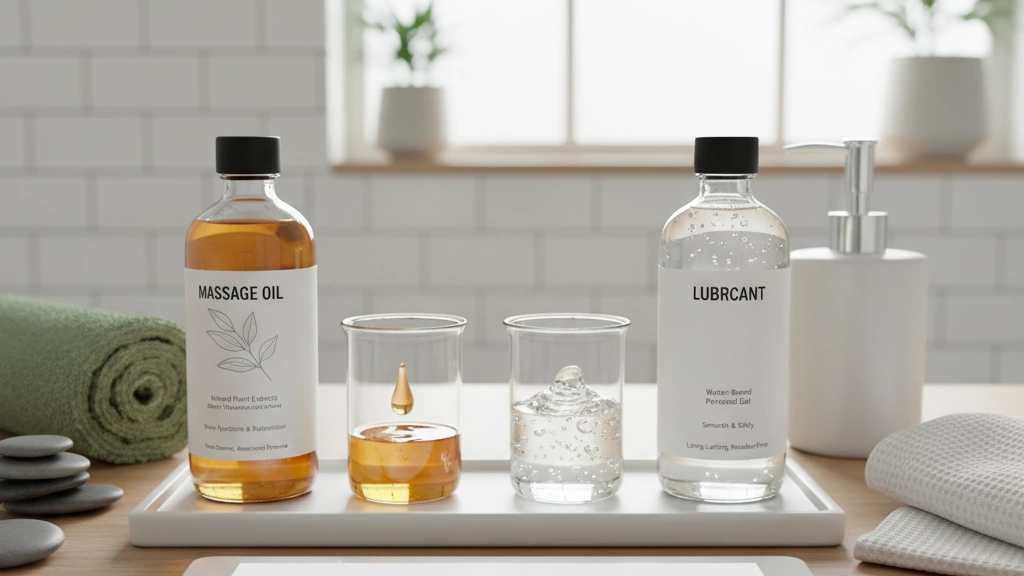
Here’s a quick breakdown to spot the key differences between massage oil and personal lubricant:
| Feature | Massage Oil | Personal Lubricant |
|---|---|---|
| Base/Composition | Natural oils (jojoba, coconut, almond) | Water-based, silicone-based, oil-based, hybrid |
| Absorption & Longevity | Absorbs slowly, offers a long, smooth glide | Absorbs faster; water-based dries out quicker, silicone lasts longer |
| Condom & Toy Compatibility | Not safe with latex condoms or silicone toys (breakdown risk) | Water & silicone-based lubes usually safe with condoms and toys; oil-based less so |
| Sensation & Texture | Thick, rich, often aromatic and hydrating | Slick, lighter or silky depending on type; designed to reduce friction |
| Cleanup & Residue | Can stain fabrics; leaves oily residue | Generally easy to clean; water-based washes off with water |
| Cost & Availability | Often natural, may be pricier; fewer options in stores | Widely available; wide price range depending on ingredients and brand |
Bottom line: Massage oils are great for long, relaxing sessions where skin hydration and aromatherapy matter. Lubricants focus on reducing friction safely during sex or toy use, with easy cleanup and product options for different needs. Using one for the other’s purpose without checking compatibility leads to messy or unsafe experiences.
Why 90% of People Use Massage Oil and Lubricant Wrong – Top Mistakes Exposed
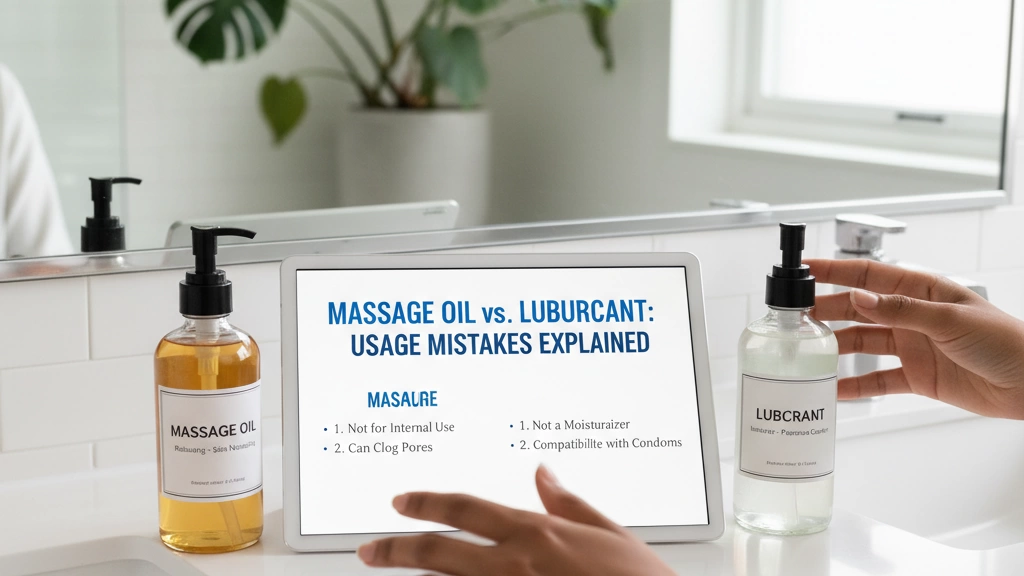
Many people mix up massage oil and personal lubricant, leading to problems. Here are the top mistakes to avoid:
Mistake 1: Using Massage Oil as Lube
Massage oils are not designed for sex. They can break down latex condoms, increasing the risk of condom failure and infections. Real users have reported condom breakage and irritation when using oils as lubricants.
Mistake 2: Applying Lubricant for Full-Body Massages
Lubricants, especially water-based ones, dry out quickly and can leave your skin sticky. They’re meant to reduce friction during sex, not to nourish or relax muscles like massage oils.
Mistake 3: Ignoring Ingredient Allergies or Sensitivities
Both oils and lubricants can contain allergens like nuts, fragrances, or glycerin. Not patch-testing or checking labels can lead to rashes, itching, or worse. Several users share how ignoring this caused discomfort or infections.
Mistake 4: Mixing Incompatible Products
For example, silicone-based lubricants don’t work well with silicone sex toys—they can degrade the toy’s surface. Using the wrong combo can ruin your toys or cause unwanted reactions during use.
Mistake 5: Overlooking Expiration Dates or Storage
Expired oils or lubricants lose effectiveness and might cause irritation. Poor storage—like keeping them in heat or sunlight—can spoil their ingredients. Users have noticed changes in scent, texture, or skin reaction after ignoring this.
Knowing these mistakes helps you choose and use massage oil or personal lubricant safely and effectively every time.
When to Use Massage Oil (And When Not To)
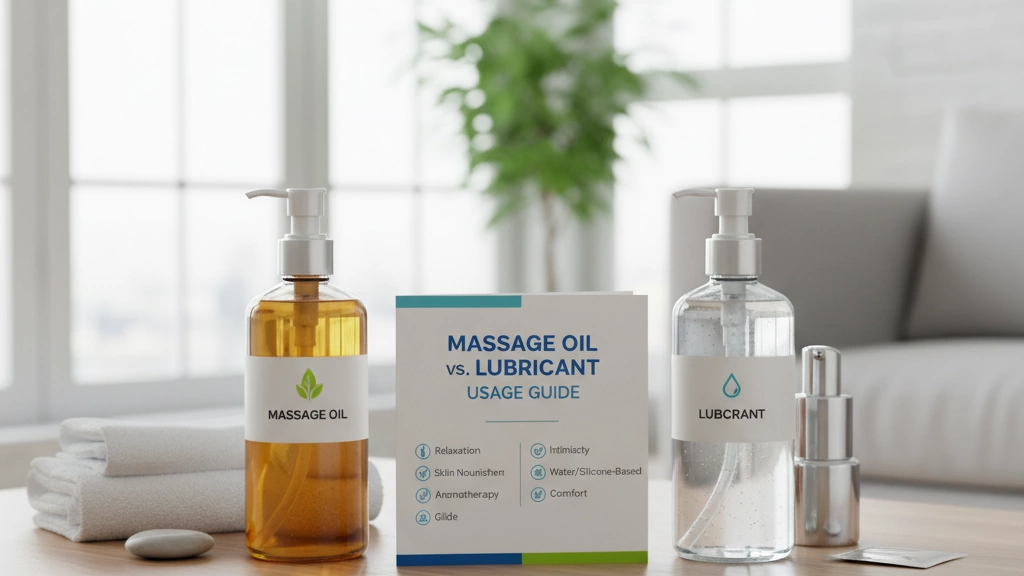
Massage oil works best for sensual couples massages, solo relaxation, and aromatherapy sessions. It’s perfect when you want a smooth, hydrating glide that soothes muscles and calms the mind without any rush. Think of it as your go-to for connecting, easing tension, or simply indulging in a bit of self-care.
However, avoid using massage oil for penetrative sex since it’s not condom-safe and can cause latex barriers to break. Also, skip using it with silicone toys, as the oil can degrade the material, leading to damage or reduced lifespan.
Pro tips:
- Warm the oil slightly in your hands before applying to enhance the soothing feeling.
- Do a quick patch-test on your skin to rule out any allergies or sensitivities.
- Pair your massage oil with Adult Novelties scented variants for an extra sensory boost without harmful additives.
Using massage oil right keeps the experience relaxing and safe, making it a must-have for stress relief but not for intimacy that needs protection.
When to Choose Lubricant (And Best Practices)
Lubricants are best for reducing friction during vaginal or anal sex, masturbation, and medical exams. They make these activities more comfortable and enjoyable.
Which type to use?
| Lubricant Type | Best For | Notes |
|---|---|---|
| Water-based | Everyday use, condoms, toys | Easy cleanup, pH balanced |
| Silicone-based | Water play, longer-lasting glide | Not for silicone toys |
| Oil-based | Not recommended with condoms or toys | Less common for sex |
Pro tips for lubricant use:
- Start with a dime-size amount; add more if needed.
- Reapply during activity to maintain smooth glide.
- Choose a pH-balanced lubricant to protect your body’s natural balance and avoid irritation.
Using the right lubricant and amount ensures a safe, comfortable experience every time.
Safety and Health Considerations
When choosing between massage oil and personal lubricant, safety is a top priority. Both products can cause skin irritation or allergies, especially if you have sensitive skin or medical conditions. Always check ingredients for potential allergens like fragrances, glycerin, or certain oils.
For STI and pregnancy prevention, using the right product is crucial. Only use condom-safe lubricants—mostly water-based or silicone-based lubes—during sex. Massage oils are often oil-based and can weaken latex condoms, increasing the risk of breakage and infections.
Look for products that follow FDA regulations and use clean, body-safe ingredients. Avoid items with parabens, harsh chemicals, or artificial dyes to reduce irritation risks.
For those with sensitive skin or health issues:
- Patch-test new products on a small skin area before full use.
- Choose fragrance-free, pH-balanced lubes designed for intimate areas.
- Avoid oily massage oils around sensitive or mucous membranes.
By paying attention to these safety tips, you can enjoy massage oils and lubricants safely while protecting your health and wellbeing.
How to Transition Between Massage Oil and Lubricant in One Session
Switching between massage oil and personal lubricant during one intimate session is easier than you think. Here’s a simple step-by-step guide:
- Start with massage oil for foreplay. Use it to relax muscles, boost sensation, and enjoy smooth, aromatic skin glide. Warm the oil in your hands first for better comfort.
- Switch to lubricant before intimacy. Clean off excess oil with a warm, damp cloth to prevent any interference with condoms or toys. Then apply your chosen lubricant to reduce friction and increase comfort during penetration or toy use.
Hybrid Products from Adult Novelties
If switching feels like a hassle, look for hybrid products by Adult Novelties. These are designed to work well as both massage oils and lubricants, making the transition smoother without compromising safety or feel.
Cleanup Hacks to Avoid Mess
- Use a towel or disposable wipes nearby to catch any drips.
- Warm water and mild soap work best to clean off both massage oils and lubricants.
- Avoid harsh chemicals, which can irritate sensitive skin.
- If you’re using oil-based massage products, keep stain remover handy for fabrics.
Following these easy steps helps you enjoy the best of both worlds—relaxing massages and comfortable intimacy—without any awkward slip-ups or product mix-ups.
Expert Recommendations and Product Picks
Choosing the right massage oil or personal lubricant makes all the difference. Here’s a simple guide with top picks and label tips to help you shop smart.
Top Massage Oils: Features & Benefits
| Product | Key Ingredients | Scent Profile | Benefits |
|---|---|---|---|
| Jojoba & Almond Oil | Jojoba, Almond Oil, Vitamin E | Light nutty aroma | Hydrating, skin-nourishing |
| Coconut Aromatherapy | Coconut Oil, Lavender Oil | Relaxing, floral | Long-lasting glide, calming |
| Natural Body Blend | Grapeseed, Vitamin C | Citrus fresh | Absorbs well, non-greasy |
Top Lubricants by Type (Including Adult Novelties Picks)
| Type | Product Example | Features | Use Case |
|---|---|---|---|
| Water-Based | Adult Novelties WaterLuxe | Condom safe, pH-balanced | Daily sex, toys, easy cleanup |
| Silicone-Based | Adult Novelties GlideSilk | Long-lasting, waterproof | Wet environments, long sessions |
| Oil-Based | Natural Massage Lubricant Blend | Nourishing but NOT condom-safe | Solo use or foreplay only |
Buying Guide: What to Look for in Labels
- Check ingredients: Avoid glycerin or parabens if you have sensitive skin.
- Condom compatibility: If you use condoms, pick water-based or silicone lubes.
- pH balance: Especially important for vaginal health—look for “pH-balanced” on the label.
- Allergy warnings: Look for natural, hypoallergenic options if you’re prone to reactions.
- Expiration date: Don’t ignore it—expired oils or lubes can irritate skin or lose effectiveness.
Final Tip
For best results, stick to products designed for your specific need—massage oils for sensual, relaxing touches, and lubricants for smooth, comfortable intimacy. Brands like Adult Novelties offer reliable, skin-safe options tailored for these purposes.